


Creating a budget may sound overwhelming, but it is one of the most effective ways to take control of your money. A budget is simply a plan for how to spend, save and manage your income.
Whether you’re trying to pay off debt, save for the future, or simply want to make your paycheck last longer, a budget can help you stay on track and reduce financial stress.
This guide explains what a budget is and provides simple steps to create one that fits your life and goals. With the right plan, you can develop better financial habits and start working toward financial freedom.
Understand what a budget is: a plan for tracking income and expenses
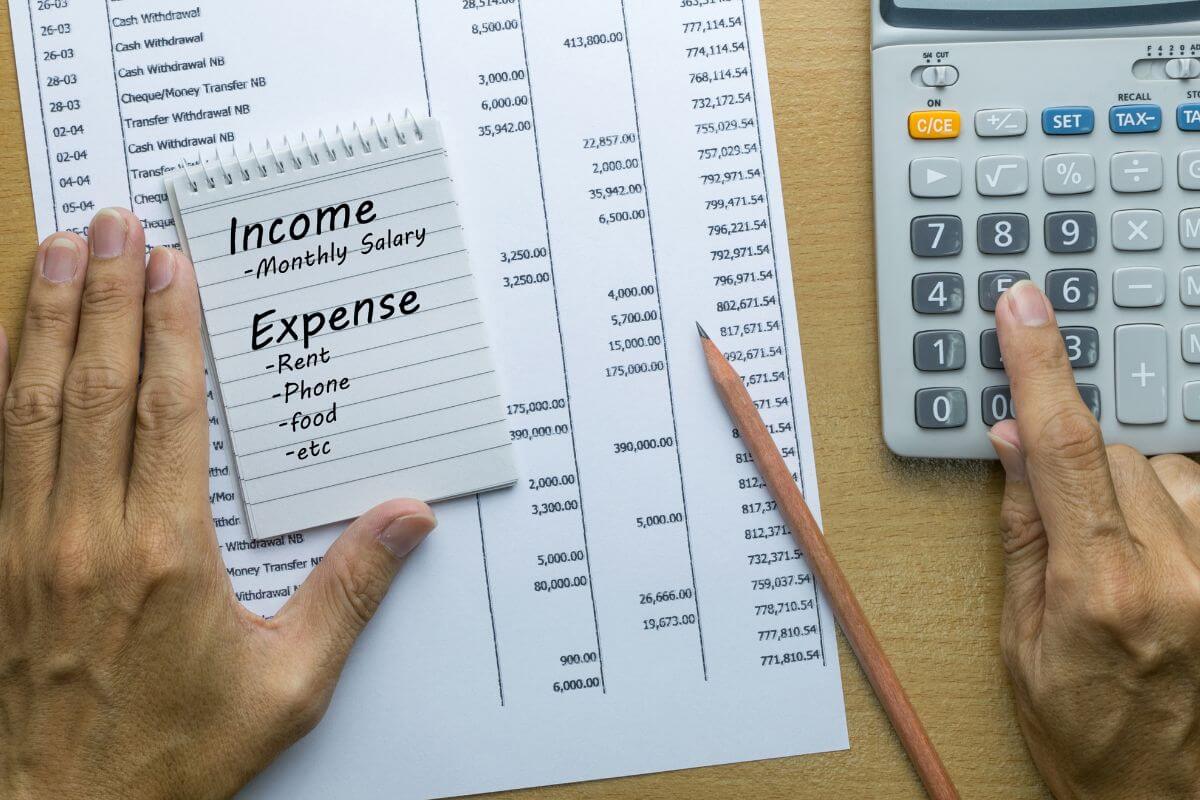
A budget is a simple plan to keep track of how much money comes in and where it goes. It helps you control your spending and ensures you can save for what really matters.
For more information: 20 Simple Budgeting Tips for Everyday Life
Name all sources of income
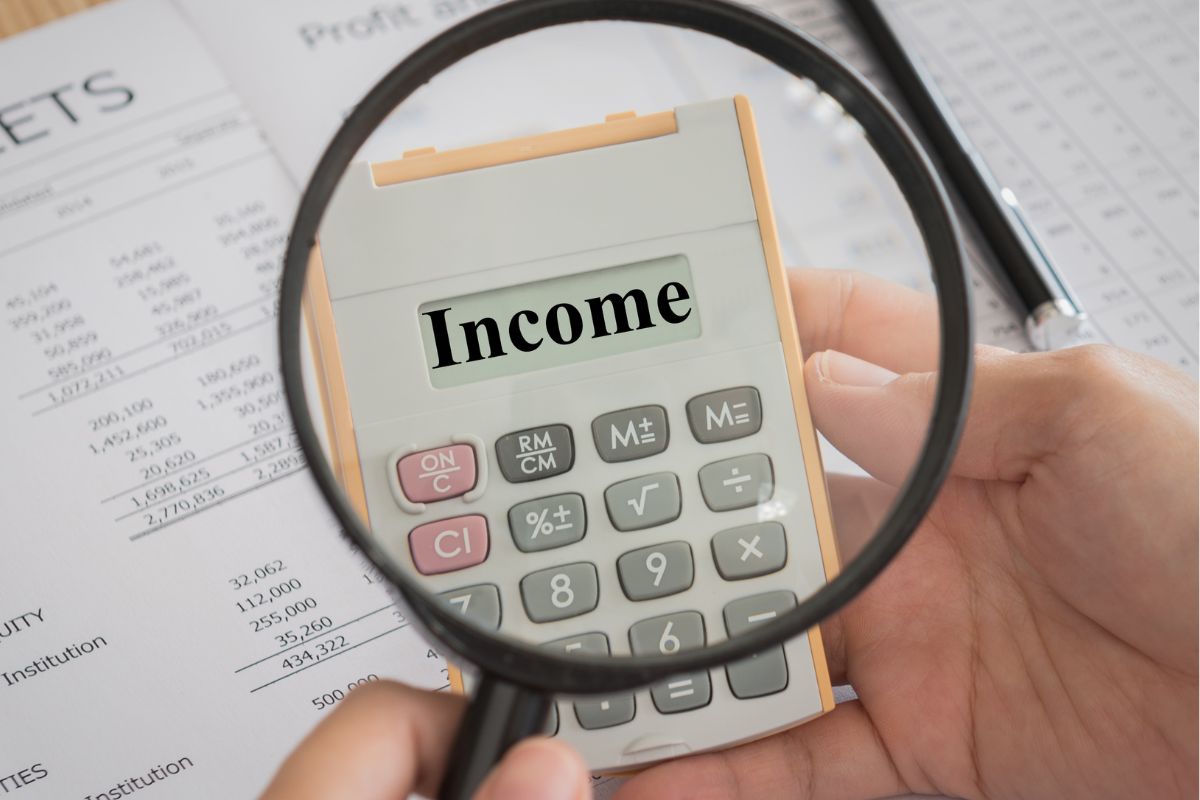
Start by listing each source of income, whether it’s a job, side income, or benefits. Knowing how much you bring in is the first step in managing money.
For more information: Three Types of Income Sources You Need to Know About
Track monthly expenses, including fixed (rent, bills) and variable (food, entertainment)

Write down all your monthly expenses. Including rent, bills and groceries, plus extras such as eating out or subscriptions. This gives you a clear picture of your expenses.
For more information: What are fixed costs? How to budget for fixed costs
Categorize expenses to see where the money goes

Divide your expenses into categories such as housing, food and entertainment. This makes it easier to see where most of your money is going and what can be adjusted.
This may take a while, but it is an important step to do.
For more information: 110+ personal budget categories for a flawless budget
Set spending limits for each category based on priorities

Decide how much you want to spend per category. Focus on your priorities first, like rent and groceries, before spending money on extras like shopping.
For more information: 32+ Best Cash Envelope Categories for Budget Money
Subtract expenses from income to ensure balance or surplus

Compare your total income with your expenses. If you’re spending more than you earn, it’s time to make adjustments so you can stay on track.
For more information: What are unexpected expenses? And how to avoid them
Identify areas that need to be cut if expenses exceed revenues
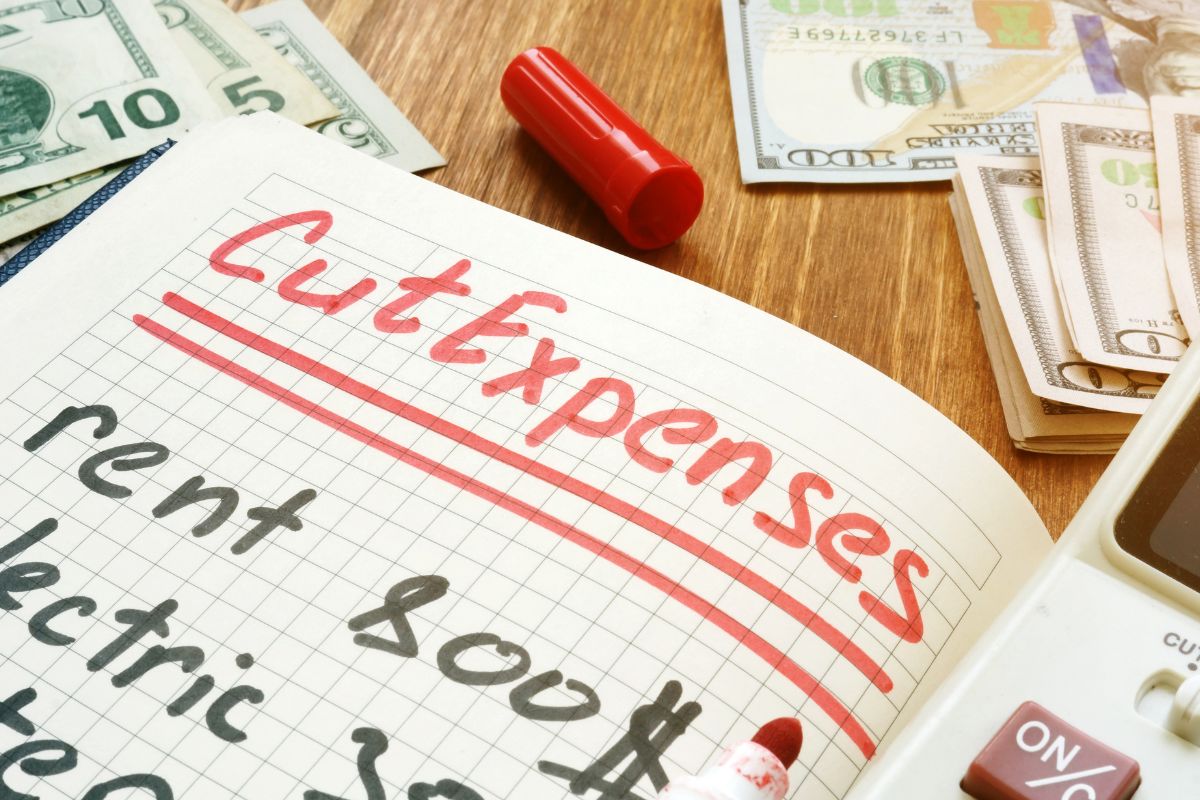
Look for places where you can limit your spending. Cutting back on extras such as takeout or subscriptions can free up money for savings or paying off debts.
For more information: How to Budget Flexible Spending and Save Money?
Plan for savings by setting aside a percentage of income

Make saving a habit by putting aside a fixed percentage of your income. This helps you build a safety net and achieve long-term financial goals.
You want to save 10-20% of each paycheck for various savings goals such as pensions, a rainy day fund and major purchases.
For more information: How to Budget Your Money with Percentages – Cent Plan Formula
Use budgeting tools, apps or spreadsheets to stay organized

Use tools like budgeting apps or spreadsheets to keep everything organized. They simplify tracking your money and help you stick to your budget.
For more information: Budgeting Apps: The Complete Guide to the Best Budgeting Apps
Review your budget regularly and adjust it if income or expenses change

Check your budget regularly. If your income changes or you have new expenses, make updates to keep everything balanced and on track.
Make sure you don’t spend extra money and fall victim to lifestyle inflation.
For more information: What are the key components of successful budgeting?
Stick to the plan and track spending to build better habits

Track your budget and control where your money goes. If you stick to the plan, you can develop smarter money habits over time.
While you may not be living on a budget, it will be less stressful than constantly running out of money.
For more information: How many months before your budget starts working?
Create your budget template today

Creating a budget template is one of the best ways to take control of your money and plan for your future. It helps you track your income, prioritize your expenses, and save for what really matters.
Whether you’re trying to pay off debt, build an emergency fund, or save for long-term goals, a A well-structured budget is the basis for financial success.
Start small, stay consistent, and adjust as necessary to fit your lifestyle. The sooner you start, the closer you will be to achieving financial independence.
For more information: Top budgeting tips from a money expert
Do you know someone else who also needs this? Then please share!!

Did the message affect you?
More importantly, have I answered the questions you have on this topic? Let me know in the comments if I can help in any other way!
Your comments are not only welcome; they are an integral part of our community. Let’s continue the conversation and explore how these ideas fit into your journey to Money Bliss.
#budget #create #Money #happiness