

Over the past seventy years, the definition of a modern home has shifted alongside technology, culture, economics and everyday life.
In some decades, modern meant efficiency. In other cases it meant size, openness or visibility. Sometimes it was about showing progress; for others it was about hiding complexity. Looking back on these shifts reveals less about design trends and more about how people wanted to live – and what they valued at the time.
Here’s what a “modern house” meant in every decade since the 1950s, and why each version made sense at the time.
1950s: efficient layouts, new appliances and post-war optimism
In the 1950s, modernity was rooted in efficiency and progress. Homes are designed to support streamlined domestic living, with compact layouts and clearly defined rooms. Kitchens followed strict work triangles, appliances were celebrated, and materials emphasized cleanliness and durability.
A modern house promised convenience. It reflected optimism about technology’s ability to improve everyday life and reduce labor, especially in the kitchen.
1960s: technology, color and a growing sense of individuality
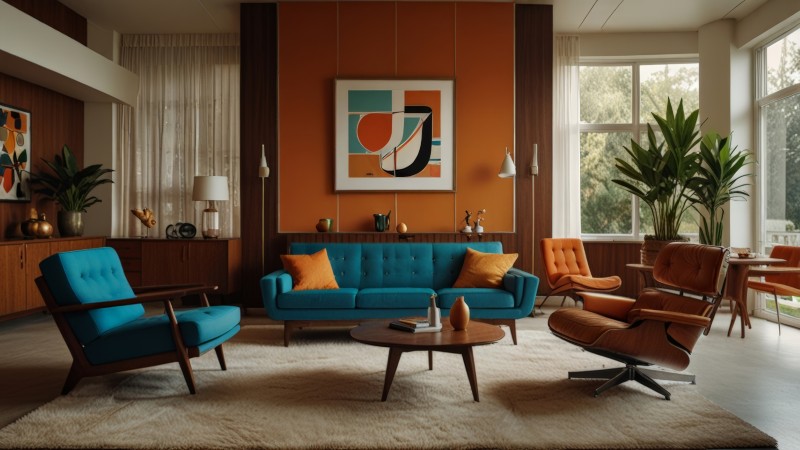
By the 1960s, modern homes began to loosen up. Devices became more integrated, materials became bolder and color entered the conversation in a serious way. Built-ins, new lighting approaches and experimental finishes reflected a willingness to personalize the space.
Modern is no longer meant purely functional it also meant expressive and progressive.
1970s: informality, natural materials and family-oriented design
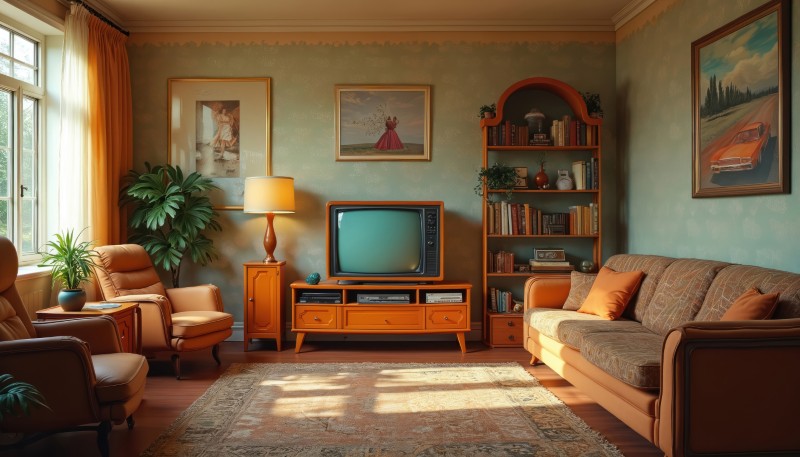
In the 1970s, modern homes turned inward. Open floor plans began to appear, although often still partially divided. Wood finishes, earth tones and casual dining areas emphasized comfort and family living over gloss.
This era marked a shift away from rigid formality. A modern home felt lived in, warm and flexible, even though there were still clear boundaries between the rooms.
1980s: larger spaces, visual impact and architectural statements
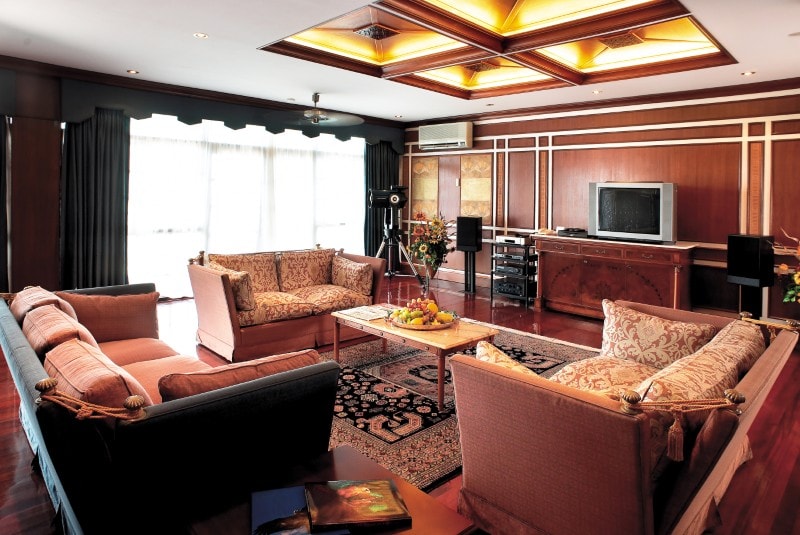
The 1980s redefined modernity through scale. Houses became larger, ceilings became higher and architectural gestures became more dramatic. Two-story foyers, oversized windows and expansive living spaces signaled success and ambition.
Modern meant impressive. Visibility was important, and houses were designed to be seen as much as they were lived in.
1990s: open layouts, casual luxury and everyday comfort
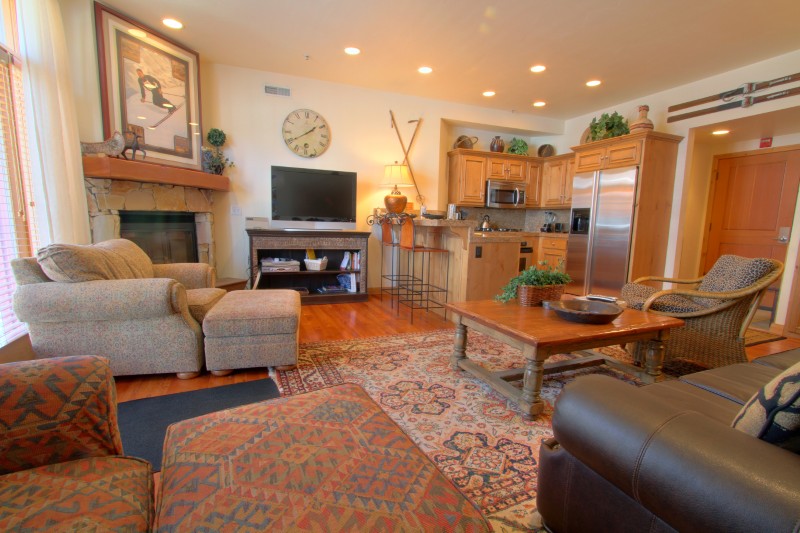
By the 1990s, modern homes focused on openness and convenience. Kitchens opened into living spaces, islands became gathering points, and informal entertainment replaced formal hosting.
Luxury softens. Modern design emphasized flow, light and comfort, creating homes that felt accessible yet clearly upgraded.
Early 2000s: status kitchens and highly visible upgrades
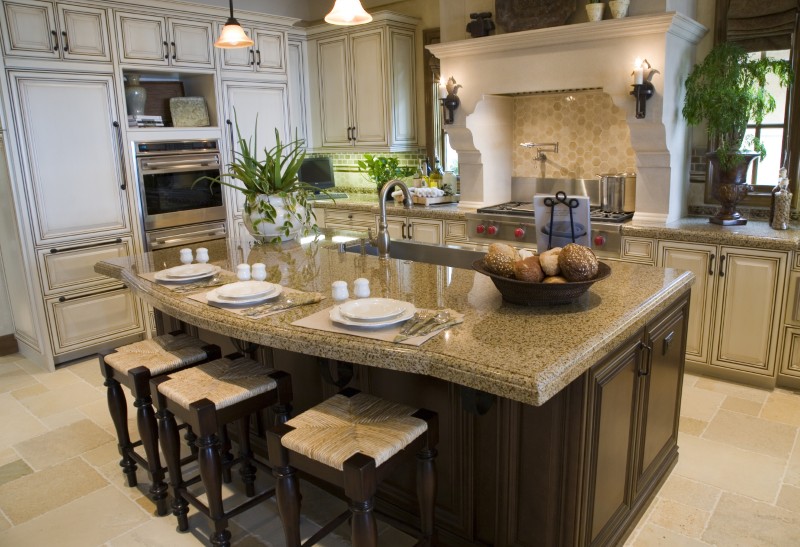
In the early 2000s, modern homes relied heavily on exhibition. Stainless steel appliances, granite countertops, large islands and dedicated media rooms were intended to exude success and contemporary taste.
The kitchen became the center of the house and modernity was measured by what could be seen and recognized at a glance.
2010s: Integration, minimalism and visual coherence
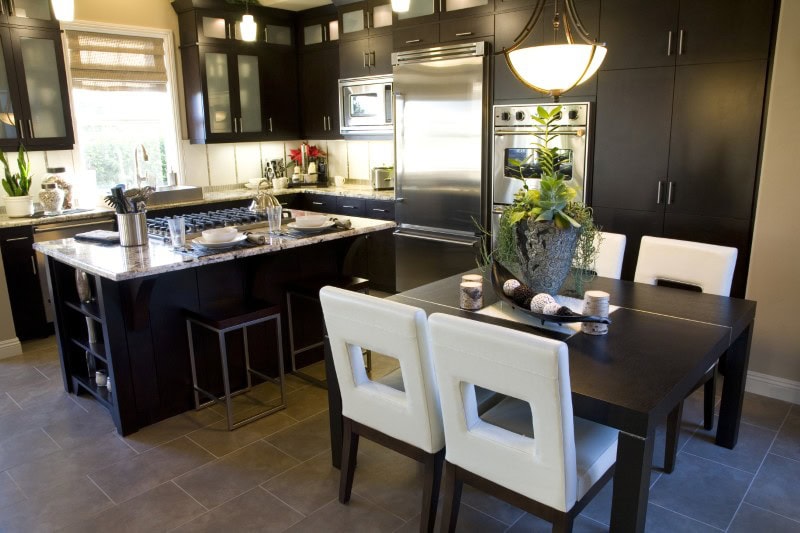
As open plans became the standard, modern homes in the 2010s focused on integration. Kitchens were blended into the dining and living areas, finishes were coordinated across rooms and clutter was kept to a minimum.
Modern design favored clean lines and consistency. The goal was visual tranquility, even as houses acquired more functions than ever before.
2020s: restraint, comfort and homes designed for everyday life
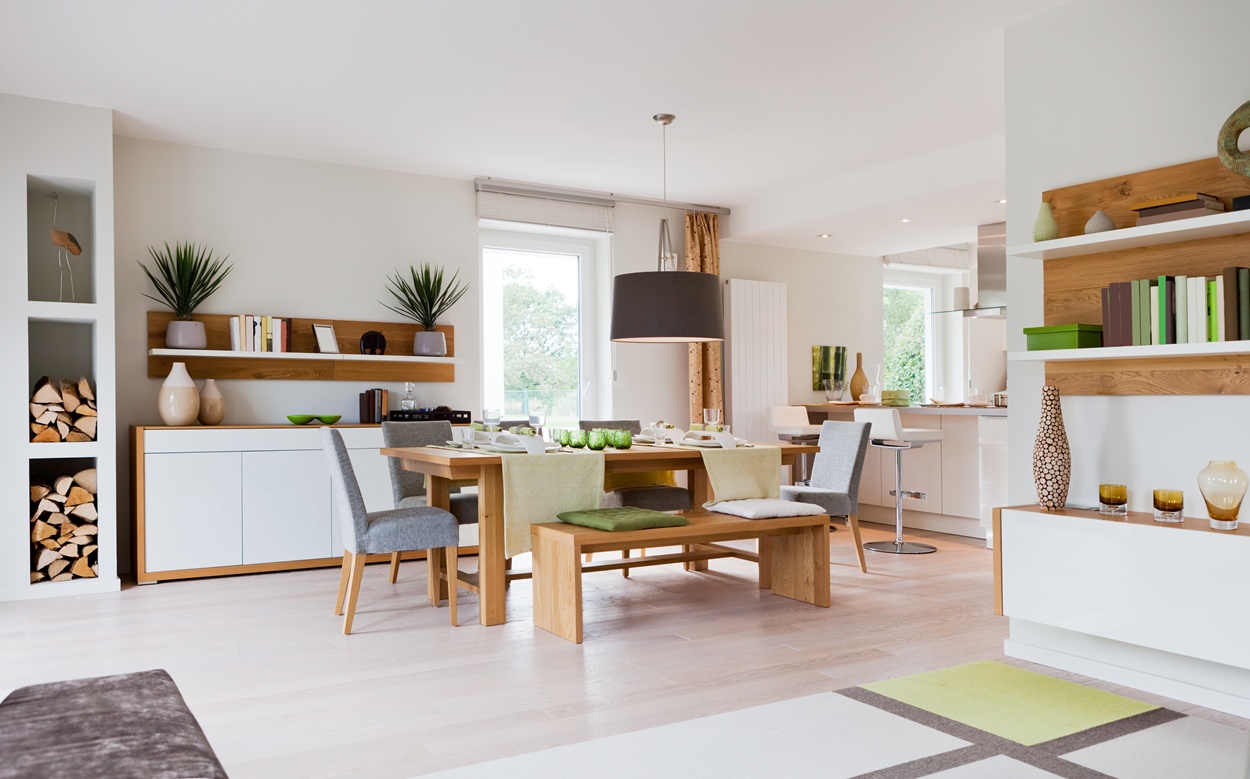
Today, modern houses are less interested in announcing themselves. Devices are hidden, layouts prioritize flow over spectacle, and materials are chosen for longevity rather than impact.
Modern now means comfortable, adaptable and quietly efficient. The emphasis has shifted from what a home shows to how well it supports everyday life.
‘Modern’ homes reflect their moment in time
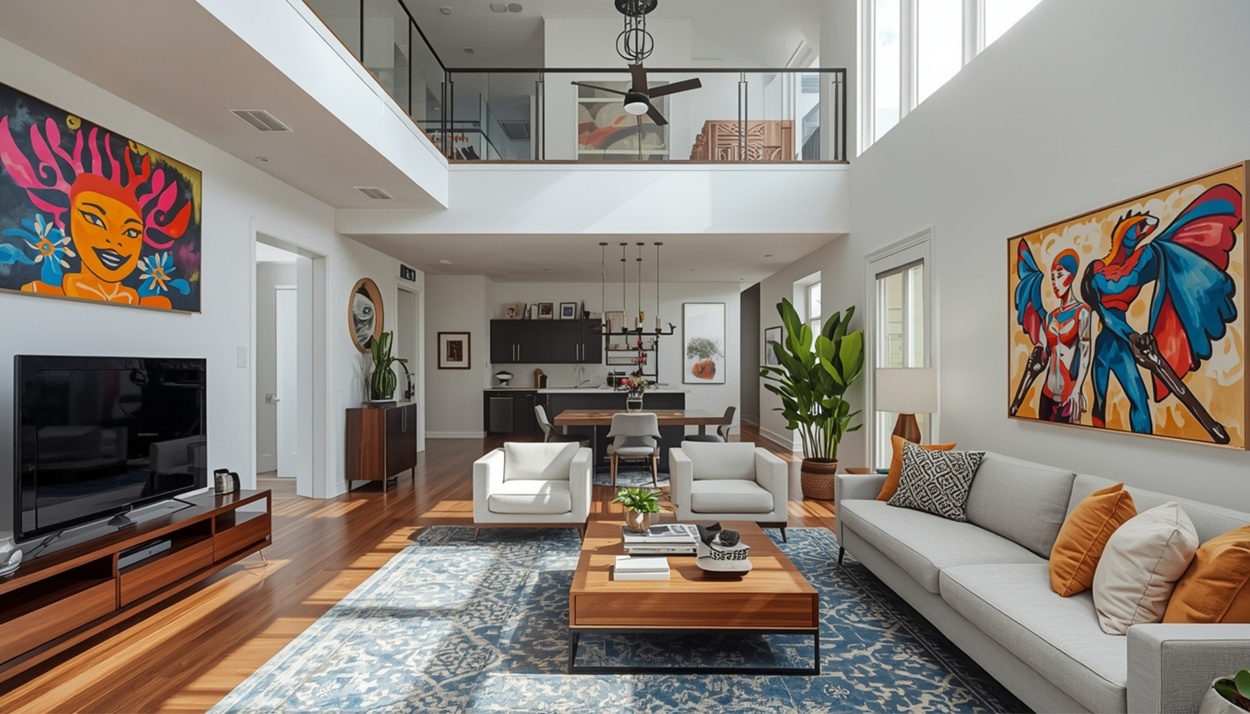
Each version of “modern” reflects its moment. When technology felt new, homes reflected it. When life became more informal, design followed. As expectations changed, so did the spaces that had to support them.
What feels modern today will eventually look dated, but the patterns remain. Modern homes always respond to the way people live now, even as they quietly prepare for what comes next.
More stories
Dream House Alert: 18 Modern Townhouses That Are Redefining House Goals
25 home features that were considered luxurious just 15 years ago
When did living rooms cease to be the most important room in the home?
#modern #house #meant #decade #1950s