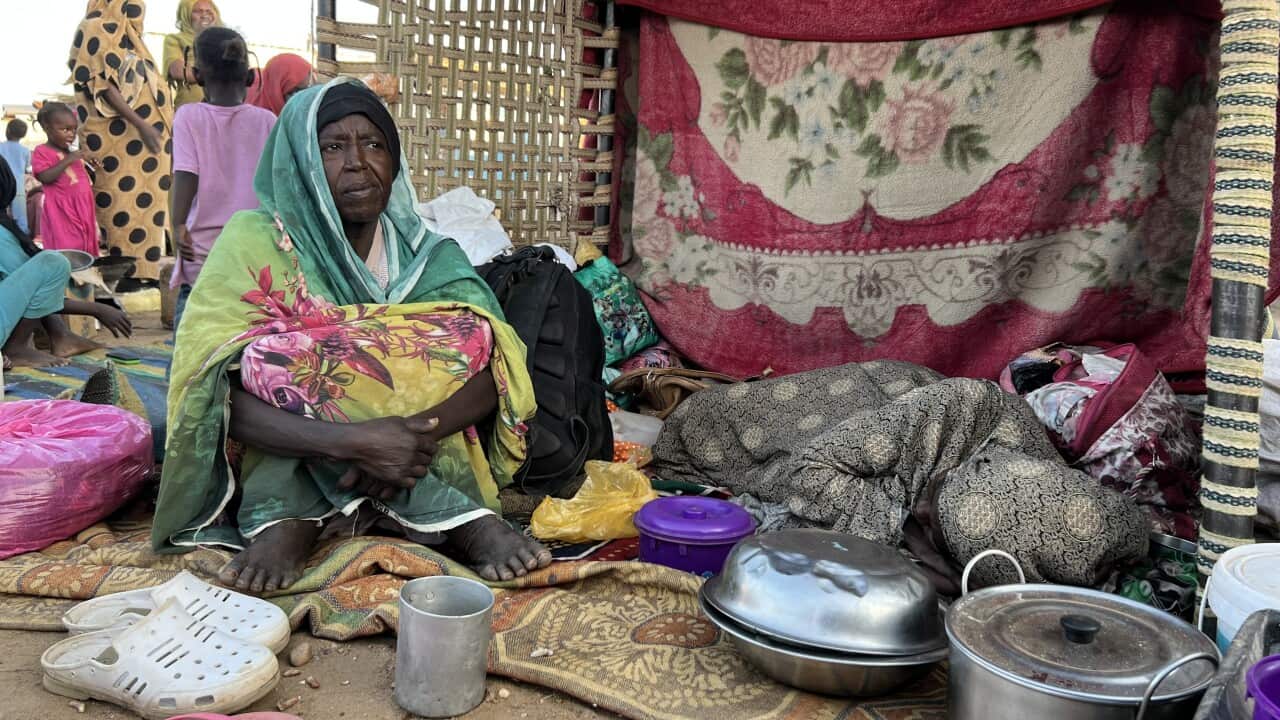
UN-backed hunger monitor confirms famine in Sudan’s Al-Fasher and another town

UN-backed hunger monitor confirms famine in Sudan’s Al-Fasher and another town

2 minutes, 41 seconds Read

A global hunger monitor has confirmed famine in Al-Fasher, the Sudanese town captured by the paramilitary Rapid Support Forces (RSF) after a prolonged siege, as well as in Kadugli, another besieged town in southern Sudan.
The finding marks the first time the UN-backed Integrated Food Security Phase Classification (IPC) has found cities in famine, although in December it had confirmed famine in camps for displaced people in Al-Fasher, the capital of North Darfur.
A war that began two and a half years ago between the RSF and the Sudanese army has caused severe hunger and malnutrition to spread across Sudan, displacing millions of people and causing waves of ethnically charged violence in Darfur.

The IPC is the internationally recognized standard for measuring the severity of hunger crises, and its findings have drawn criticism from the Sudanese government, which is backed by the military.

Food supplies were cut off during the siege

The IPC’s first finding of famine during the conflict was for the Zamzam IDP camp south of Al-Fasher in August 2024.
Al-Fasher fell victim to RSF attacks and was under siege for about 18 months before falling late last month, deepening geographic divisions in Sudan.

During the siege, residents said food supplies were cut off, forcing people to eat animal food and sometimes animal skins.

Places where people gathered for communal kitchen meals were targeted by drone strikes, they told Reuters.
As a result, all children who arrived in the nearby town of Tawila after fleeing Al-Fasher were malnourished, MSF project coordinator Sylvain Pennicaud told Reuters on Monday, while adults arrived emaciated.

Prosecutors at the International Criminal Court said Monday they were gathering evidence of alleged mass killings and rapes after the fall of Al-Fasher.

The head of the Red Cross said history is repeating itself in Darfur.
Monday’s IPC report, based on an analysis for September 2025, said Tawila, as well as Mellit and Tawisha, two other destinations for people fleeing Al-Fasher, were at risk of famine.
The IPC said the total number of Sudanese facing acute food insecurity decreased by 6 percent to 21.2 million people – or 45 percent of the total population – as a result of the gradual stabilization and improved access to central Sudan, where the Sudanese military took control early this year.

Global aid cuts and bureaucratic barriers that hamper the ability of the United Nations and other aid agencies to deliver food and other services have exacerbated the humanitarian challenge in Sudan.

Kordofan another focal point of war

Kadugli, the capital of South Kordofan state, is under siege by the RSF-affiliated armed SPLM-N group, although hunger has spread there since the start of the war.
The wider Kordofan region has increasingly become the focus of the war, as it lies between RSF-dominated Darfur and the rest of the country, where the military holds sway.

The IPC said the nearby town of al-Dalanj could also suffer famine, but a lack of data prevented a determination.

On Monday, a Red Crescent official said three volunteers in a town in North Kordofan state taken over by the RSF, who were beaten in a video clip, were later killed.
The RSF has denied responsibility for summary executions.

#UNbacked #hunger #monitor #confirms #famine #Sudans #AlFasher #town

Similar Posts

Leave a Reply

Your email address will not be published. Required fields are marked *