

A privacy-oriented cell phone company calledCapeis now officially available in the United States and offers a unique set of features to protect users from surveillance and identity theft.
Many cell phone users already use virtual private networks, encrypted messaging apps, and secure password managers to keep their data safe. But these tools can’t always protect against security issues with the underlying mobile network itself, and other phone companies typically don’t compete on the privacy front, says Cape CEO John Doyle.
“Before we built Cape, there was no clear differentiated choice in terms of network space,” says Doyle.
[Photo: Cape]
But Cape, founded in 2022, is designed to protect customers from privacy risks such as SIM swapping, in which a mobile number is transferred to a new phone without the owner’s consent to intercept sensitive messages such as authentication codes, and IMSI catchers, which snoop on phone users by posing as legitimate cell towers and monitoring the unique International Mobile Subscriber Identity (IMSI) codes they send. That enables their operatorswhether it concerns spy agencies or other mysterious partiesto track how people move and potentially intercept calls and text messages. (Cape tooassisted the Electronic Frontier Foundationin developing technology to detect such devices, leading to evidence that one was found near the 2024 Democratic National Convention.)
The company also does not collect names, addresses or social security numbers from subscribers and automatically encrypts the voicemails its customers receive so that the company cannot access them.
Cape has raised $61 million in funding from investors including Andreessen Horowitz, Costanoa Ventures, Forward Deployed VC and Karman Ventures. Doyle says he founded the company after learning about several vulnerabilities in mobile networks, with an early focus on people involved in security-sensitive work. It then expanded to offer service to users such assurvivors of domestic violence,investigative journalistsand people who work in other high-risk areas, said Doyle, who previously headed the national security division at Palantir and served in the U.S. Army Special Forces.
Cape launched oneopen beta program in March 2025and is now officially widely available. Doyle says he believes new consumers will like the company’s privacy features enough to pay Cape’s monthly fee of $99 per month, excluding discounts.
That’s more expensive than many plans from carriers like T-Mobile and Verizon, which offer basic plans at $75 or less before their own discounts, not to mention discount providers like Mint Mobile, though Doyle points out that Cape’s cost includes all taxes and fees — not to mention the added privacy features.
And because most people need to carry cell phones for business and personal reasons, andincreasing concerns about data privacy and securityhe believes there is a market for a service that makes it harder to hack and track ordinary people.
“We’re finding that there’s only a large group of citizens who are really attracted to the idea of having some choice and a little bit of control over how their data is presented to and shared on mobile networks,” says Doyle.
 [Photo: Cape]
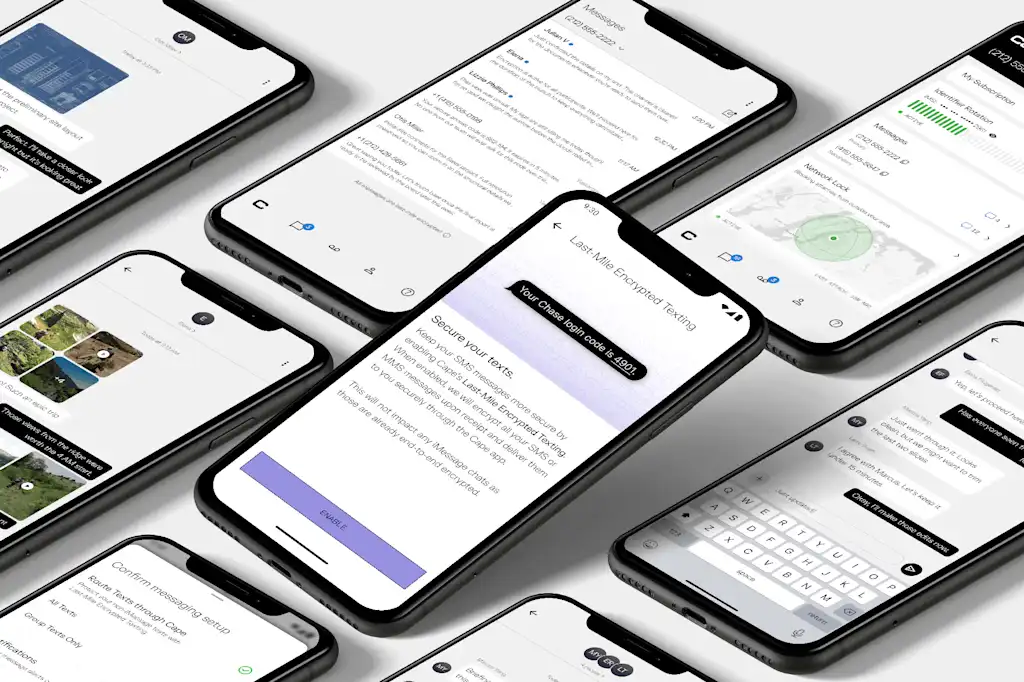
Although Cape does not own any cell towers of its own – it is a so-called mobile virtual network operator (MVNO), which pays for radio spectrum and other services from providers with their own physical network – the company operates itsown “mobile core” networkmeaning it can provide a level of customization and security beyond what other providers offer. In other words, the partner carriers provide the radio connectivity, but Cape’s cloud-based system then takes over the logic of verifying that phones have access to the network, routing calls and messages, and maintaining and securing its own logs.
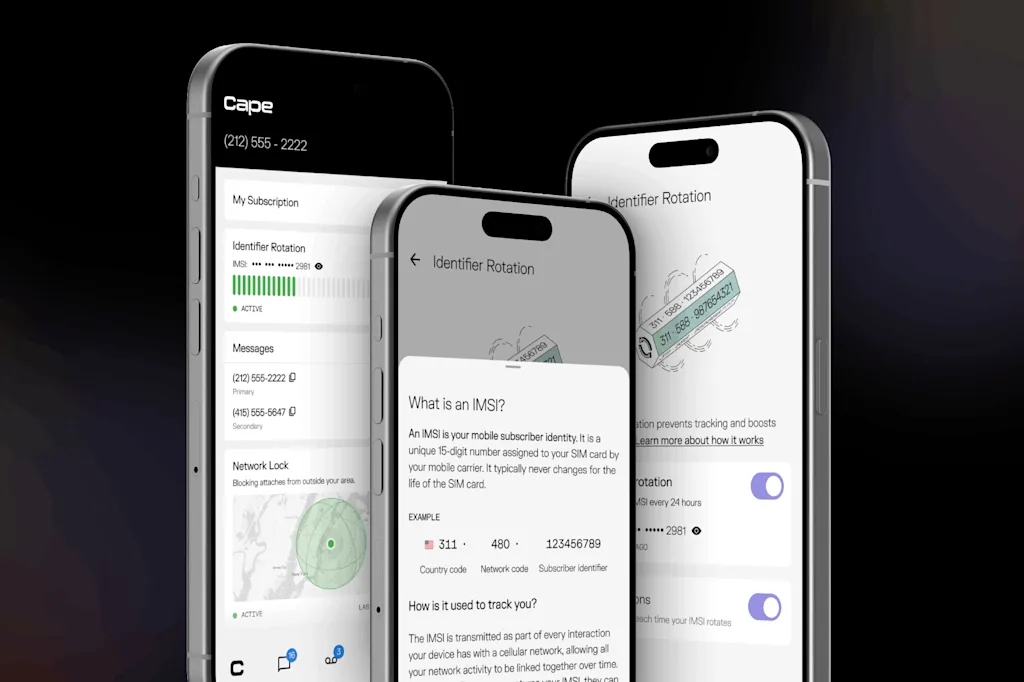
The company does not allow less secure 2G and 3G connections and regularly changes IMSI numbers to discourage tracking.similar to how iPhones randomize Wi-Fi network addresses. And when users travel abroad, Cape verifies their phone’s location using the app before routing connections through foreign networks, reducing the risk of impersonation attacks.
The company also offers a partnership withProtona Swiss-based provider of secure email, VPN and other digital services, which offers discounts for new customers. Protonoffers email functionssuch as encrypted message storage and filtration of trackers embedded in messages and a VPN that can filter ads, trackers and malware.
And Cape explicitly supports thisGrapheneOSan Android app-compatible mobile operating system optimized for security and a lack of dependence on Google and Apple. The company doesn’t have an explicit partnership with the nonprofit behind Graphene, but it does make a donation to the organization for every new Graphene user who signs up, and even offers phones with the operating system pre-loaded, which is unusual among mobile carriers.
“It’s a somewhat technical process to install graphene,” says Doyle, “so we do that for people if they want.”
 [Photo: Cape]
Customers with modern iPhone or Android devices that support eSIM (essentially pure digital SIM cards) do not need to purchase phones through Cape and can activate an existing device and port existing numbers. If you purchase a phone through Cape, which onecurrently offers a range of Google Pixel devicesCape offers a $500 discount on phone bills spread over six months to help cover device costs (and promises to delete customer shipping and billing information after 180 days).
Users are also entitled to three numbers per line as a privacy measure, so they can provide one to friends and family and use others to receive authentication codes from companies, for online dating, or for any other privacy-oriented purpose they wish. The numbers appear as regular numbers, so they aren’t excluded from services that ban purely Internet-based numbers, as Google Voice assigns, Doyle says. While the carrier can’t fully protect people’s privacy when they interact with other apps (ride-hailing apps still know people’s locations, and users can still choose to share photos or other potentially sensitive data with apps and websites), it can help people keep their primary phone numbers safe.
If subscribers wish to port their numbers to another phone or outside the Cape network, they must provide a predetermined 25-word passphrase. That may seem intimidating, but it’s intended to prevent accounts from being hacked, which can pose a serious risk to privacy.
Overall, however, Cape’s privacy measures are designed to be relatively unobtrusive. Some can even save users time and complexity: Requiring less personal information from account holders makes the sign-up process faster, Doyle says.
For potential customers who want more details about Cape’s privacy policy, the company offers some“privacy principles”along with information on how it handles law enforcement requests for customer information. Cape promises to notify customers of such requests when legally permitted (and says it has “not received any requests for subscriber information that involved a duty of confidentiality” to date) and to challenge any undisclosed request that is “not specifically tailored or otherwise lawful.”
In addition, Cape says it does not record GPS coordinates of phones, deletes more general location data, and purges call logs after 60 days, except in situations such as resolving fraud cases. And if the company is ever acquired, Doyle says, the buyer will agree not to monetize user data.
Of course, it’s possible that some security-conscious users will be wary that Cape will deliver on its promises, perhaps especially given Doyle’s background in the military and at Palantir. But Doyle says he hopes the track record of transparency will help the company continue to build trust with potential customers.
“We’re basically doing everything we can to be transparent and do what we said we were going to do, and say what we’re going to do,” he says. “And I think this will only build more confidence in the market over time.”
#privacyfocused #phone #service #designed #prevent #phone #hacked