

Megan Olivi has been a staple of UFC broadcasting for more than a decade, and her recent interview with Fighters Only offers a rare glimpse into how she approaches the job, the pressures of the new Paramount+ era and the personal line she walks between being a mother, a reporter and a visible female figure in the sport.
Megan Olivi talks about the shift to the Paramount+ era
When the UFC’s U.S. rights shifted from ESPN to Paramount+ and CBS, many fans expected major changes in presentation and production. Olivi said the day-to-day workflow and team structure felt familiar from within, but the level of support and investment from the new partners was immediately noticeable.
An obvious addition is the regular one-hour pre-show on Paramount+, a format Olivi is comfortable with from the Fox years, and a more prominent role for Kate Scott on the host desk alongside former champions like Michael Bisping, Dominick Cruz and Chris Weidman. “Paramount’s support from day one was truly a breath of fresh air,” said Olivi.
On the fieldOlivi’s role has expanded somewhat as the UFC experiments with more hosting duties. For numbered events, she remains the primary reporter, but for many Fight Nights she also hosts the weigh-in show, pre-show and post-show, allowing her to shape the story around multiple fights rather than just one main event.
She credited lead producer Zach Handido with driving many of the creative changes, from pre-cage analysis segments to more integrated sponsorship features that sometimes put her at the top of the list. Octagon with commentary from other hosts. One of the subtler but more meaningful shifts is the use of coaches and training partners in the locker room, which she says gives viewers a deeper insight than the standard interview styles on fight days.
“I really enjoy talking to the coaches. Greg Jackson was the first guy I talked to in a locker room and I think, who better for a general fan to hear from than someone like Greg Jackson about why he thought his athlete was going to win.”
Why coaches and teammates matter
Olivi has long made a point of talking to coaches and training partners, not just fighters, because athletes are often exhausted, emotionally drained or still in the room to “punch the clock” on the fifth day of media. For someone like Morab “Vet” Gvern, that means leaning on John Wood, whose honest camp assessments have historically matched what happens in the Octagon.
She pointed out that fighters also tend to be more subdued about themselves, and that’s where coaches and teammates can share stories that the athlete wouldn’t. “That’s an angle that should always be exposed,” she said. “It’s extra insight and a really good conversation.”
Being in the spotlight of the broadcast as a woman
She emphasized that the UFC has led the way in putting women in central roles: female fighters are headliners, and women like Laura Sanchez, Kate Scott and herself are part of the main broadcast team, not as symbolic but as recognized voices. “I think we’re very fortunate that the athletes have led by example,” she said. “We see women headlining the cards, and there is gender equality across the board in the UFC.”
She also acknowledged that whether male colleagues feel the same way or not, she feels like she has to “earn” the job every week. For her, that means more research, more creative pitches and a constant effort to be the best storyteller in the room, regardless of gender or background.
“I just feel like I have to earn that every week… I don’t rest on my laurels. It’s every week, whether it’s a huge card or a Fight Night at the Apex, the amount of effort is still the same.”
The emotional weight of two ‘good guys’ in a title fight
When the topic turned to the next one Charles Oliveira vs. Max Holloway title fight, Olivi opened up about how difficult it feels to watch two fighters she really likes go against each other. She admitted that the only time she really cared about the outcome of fights was when her husband, Joseph Benavidez, was competing.
Now, when she looks at two respected fighters like Oliveira and Holloway, it is striking that they are both “good guys”, fathers who consistently deal professionally with the crew. “I’ll have a hard time watching it,” she said. “Someone won’t raise their hand and it’s devastating for them no matter what it looks like from the outside.”
Working during pregnancy and setting an example
Olivi worked her last UFC show about 10 days before giving birth, and she has publicly said that she entered the third trimester healthy enough to continue, with her doctor’s permission and the UFC’s blessing. She described those events in late pregnancy as prolonged and physically demanding, but also powerful.
She added:
“People tried to lick me when I was pregnant. I was actually very scared, completely by accident. At an event in Miami, a security guard pressed his hand against my pregnant belly, and I remember being so shocked. Somehow I finished the report and then burst into tears off camera. A lot of things are happening around my vision as I try to deliver that memorized report with as much respect as possible for each athlete on camera.”
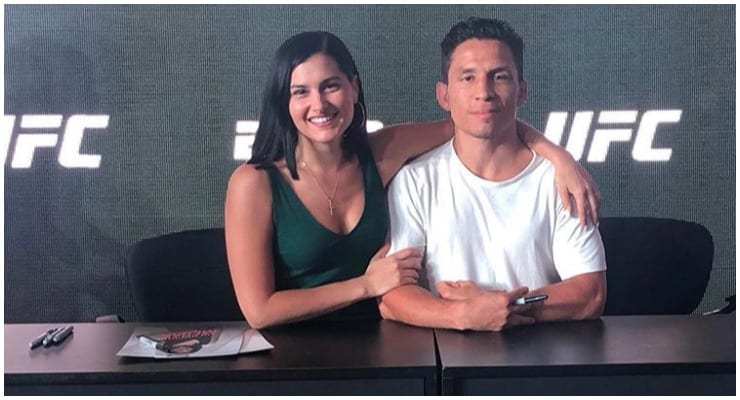
Arena rehearsals for big cards often start at 10 a.m., and she would often spend 13 hours on site for a single fight night. When one of the main events ran long, she simply handed her final interview to colleague Brett Okamoto and went home.
For her, the experience was also a silent statement to younger women and girls who look up to her. She wants them to know that a career in sports broadcasting is possible without compromising integrity, but it requires a long, step-by-step process: college, then a master’s, then years of grunt work in smaller roles.
“I went to college, then I got my master’s because I realized I wanted to work in broadcasting and needed a degree to back that up. Then I started getting people coffee and printing scripts at 4:30 in the morning.”
Responsibility, visibility and the future
Olivi said she feels a responsibility to her own nieces and nephews, and to young women, to be an example of someone who climbed ended up in a role with high visibility the ‘right way’ and still retained her identity. She returned to the idea that the path is quick or easy, especially when social media makes careers seem overnight.
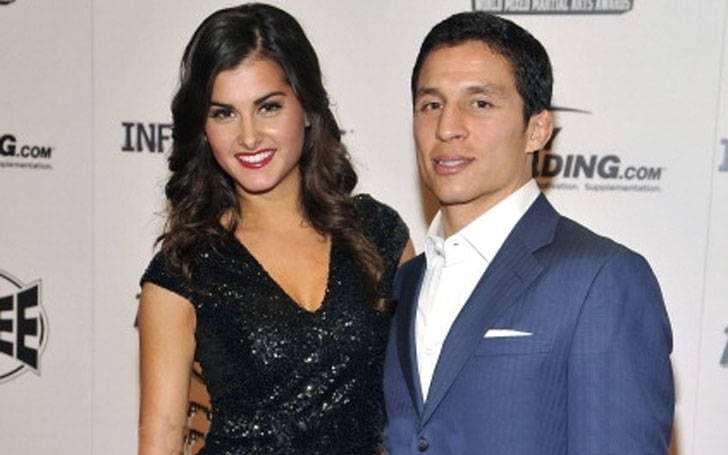
Her message is clear: it is possible to be in a position of authority, to be visibly pregnant on big stages and still be taken seriously if done consistently and respectfully.
“I want young girls to know that it is possible and that you don’t have to lower your standards or compromise your morals. You can still be yourself and succeed. It’s just going to take a lot of hard work.”
#story #Megan #Olivi #didnt #finished #report #burst #tears