

In e-commerce we often assume that this role has been transferred entirely to the website. The product page, the ‘Add to Cart’ button, the stunning lifestyle photography, these are our new silent sellers. But this is only half the story.
The truth is that the silent salesperson has a dual role in the digital age. The first action happens on the screen. The second action happens in front of the door. And if these two acts don’t tell the same story, you’re missing one of the most powerful opportunities in modern branding.
Let’s look at how packaging design and ecommerce web design should work not as separate entities, but as a cohesive, strategic tandem.
Act I: The Digital Promise (e-commerce design)
Your e-commerce site is the big stage. It’s where the promise is made.
- Visual reliability: The product images on your site should be an accurate and aspirational representation of the physical package. This goes beyond just showing a photo of the box. It’s about conveying the texture, scale and unboxing experience through video, 360 degree spins and detailed shots of the finishes, whether they are embossed, have a matte finish or use a unique material.
- Communicating value through design: The website’s user interface should reflect the aesthetics of the packaging. Is your packaging minimalist and luxurious? Your website should be clean, with ample white space and elegant typography. Is it cool and playful? Your site can use vibrant colors and dynamic animations. This visual harmony creates trust and subconsciously reassures the customer that he is making the right choice.
- Sell the experience, not just the product: Use your product pages to hint at the unpacking process. Phrases like “elegant, sleeve-on-box,” “includes a handwritten thank-you note,” or “sustainably packaged with recycled materials” increase perceived value. You’re not just selling a product; You are selling a moment of delight.
The purpose of Act I: To create a seamless, reliable and exciting digital experience that culminates in a confident ‘Add to Cart’ click.
Act II: The physical evidence (packaging design)
The package that arrives at your customer’s door is the fulfillment of the digital promise. It is the tangible proof.
- The unpacking moment: This is your most powerful piece of marketing. A well-designed package transforms an everyday delivery into a shareable event. When the physical item meets or exceeds the expectations set online, you create a powerful emotional bond. This is where loyalty is born.
- Brand consistency: The colors, logo, typography, and voice used on the package should be a direct physical extension of your website. A customer should feel an immediate sense of recognition, as if the digital brand has literally come to life in his or her hands.
- Functional and shareable design: The package should not only be beautiful, but also functional. Is it easy to open? Is the product protected? And is it Instagram-worthy? A unique, beautiful package invites User-Generated Content (UGC), effectively turning your customer into a brand ambassador.
The purpose of Act II: To validate the customer’s purchasing decision, create a memorable brand experience and drive organic word-of-mouth marketing.
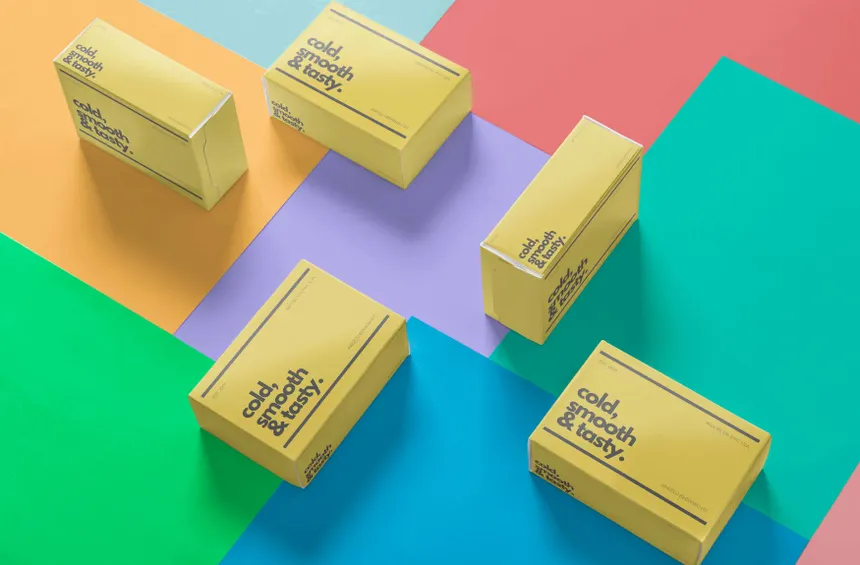
The tandem in action: a seamless transfer
The magic happens when the digital and physical are perfectly synchronized. Consider this flow:
- A customer sees a skin care product on a beautifully designed, peaceful website with a natural theme. The product page shows a video of someone unpacking a serene, cream-colored box with a delicate foil stamp.
- They order with anticipation.
- The box arrives. It’s exactly the serene, cream-colored box with the delicate foil stamp. Inside, the product is nestled in recycled pulp and contains a minimalist card with care instructions.
- The promise was kept. The experience was seamless. The customer feels valued and understood. They are now much more likely to be a repeat buyer and share their find with friends.
The high cost of a lost connection
Now imagine the opposite. The website is luxurious, but the product comes in a plain, damaged or too difficult to open cardboard box. Or the packaging looks cheap compared to the digital representation. This creates cognitive dissonance. The customer’s brain registers a mismatch, leading to disappointment, an increased likelihood of returns and a broken sense of brand trust.
5 steps to unite your packaging and web design
- Start with a unified brand guide: Your color palette, typography, logo usage, and brand voice should be documented in a guide that governs both your digital and physical touchpoints.
- Get both teams involved early: Your packaging designers and web UX/UI designers should be in the same conversations from the beginning of a product launch. They are not separate disciplines; they are two sides of the same coin.
- Photograph the Real Experience: Don’t just use 3D mockups. Have your e-commerce team photograph and film the actual unpacking of the real product package. Authenticity resonates.
- Design for the “Haul”: Understand that receiving multiple items is an event for many. Think about what your packages will look like together. Can they be stacked aesthetically? Will the branding hold up? This encourages larger orders.
- Consider the package as a call to action: Add a QR code that leads to a ‘How to use’ guide, a loyalty program sign-up, or a review request. This links the physical product back to the digital ecosystem, closing the loop.
Conclusion: one continuous conversation
In e-commerce, the customer journey doesn’t end at the checkout page. It ends with unpacking. Your website makes the promise; your packaging delivers.
By ensuring that your packaging design and ecommerce web design work together perfectly, you create one continuous, compelling and memorable conversation with your customer. You give your silent salesperson a clear, consistent and powerful voice that speaks volumes, both on screen and at the door.
About the author

#silent #salesman #packaging #design #ecommerce #web #design #work