


A growing trend supported by science

More and more professional golfers are appreciating yoga for improved performance. Players like Dustin Johnson, Brooks Koepka and Lexi Thompson have all incorporated yoga and mobility training into their routines to stay strong, prevent injuries and maintain focus under pressure. Studies in sports medicine also show that yoga significantly improves joint mobility, proprioception (body position awareness), and core activation – three pillars of an efficient golf swing.
Better flexibility means a better swing

The modern golf swing is a powerful, rotational movement that relies on a wide shoulder turn, hip mobility and spinal flexibility. Yoga immediately improves these physical qualities.
Tight hips limit rotation. A stiff thoracic spine prevents a full turn. A tight chest shortens the backswing. Yoga counteracts these limitations by increasing range of motion in the areas golfers need most: hip flexors, hamstrings, glutes, obliques and upper back.
A flexible body doesn’t just feel better – it creates a mechanically efficient swing, leading to cleaner ball contact, more consistent tempo and higher clubhead speed without extra effort.
Strengthening the “wave muscles” of the body
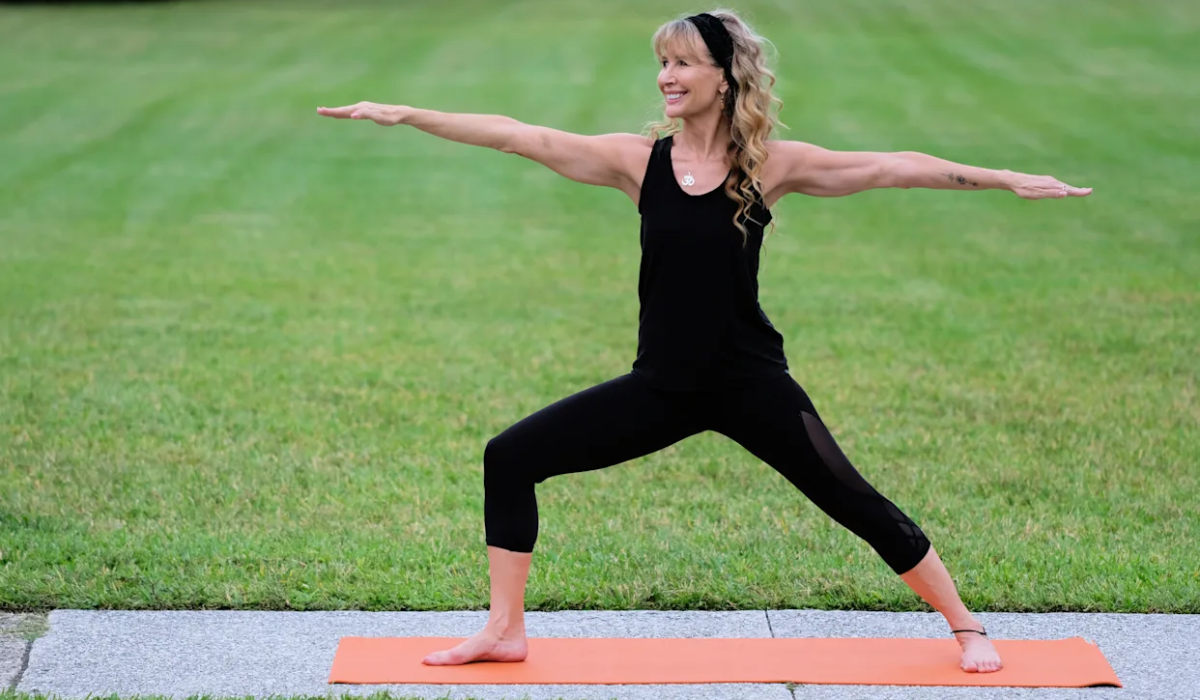
Golf requires surprising strength, especially in the core, glutes and stabilizing muscles around the spine and shoulders. Yoga builds strength using controlled movements and sustained postures, targeting precisely these areas.
Poses such as Chair Pose, Warrior II and various planks help develop balanced strength, something golfers often lack due to muscle asymmetry. Because the golf swing is so one-sided, inconsistencies accumulate over time, often leading to lower back pain or shoulder problems. Yoga restores muscle balance and reduces pressure on the joints during play.
Improved balance and stability for greater consistency
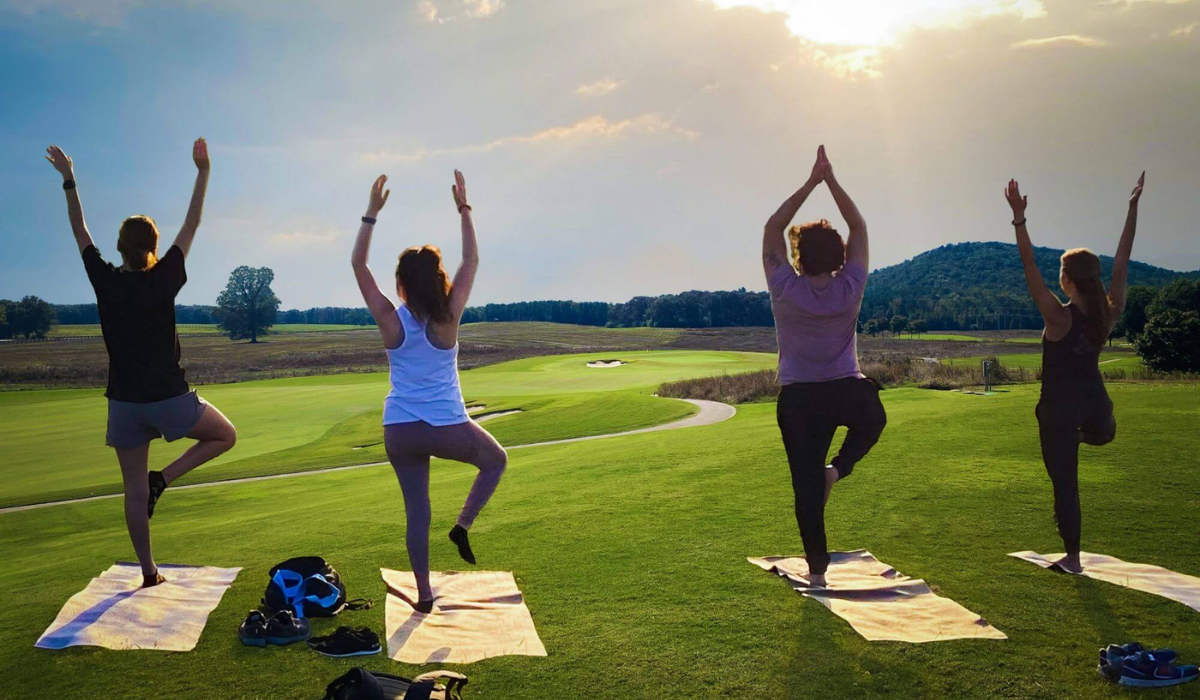
Balance is an underrated skill in golf, but it affects almost every part of the swing – from the takeaway to the follow-through. Yoga improves proprioception, trains the stabilizing muscles of the feet and core, and builds a stronger connection between the body and the ground.
Better balance results in more controlled transitions, smoother weight shifts and a much more consistent stroke pattern. It can also extend a golfer’s career by reducing reliance on overcompensating muscles and poor mechanics.
Breathwork: the secret mental weapon
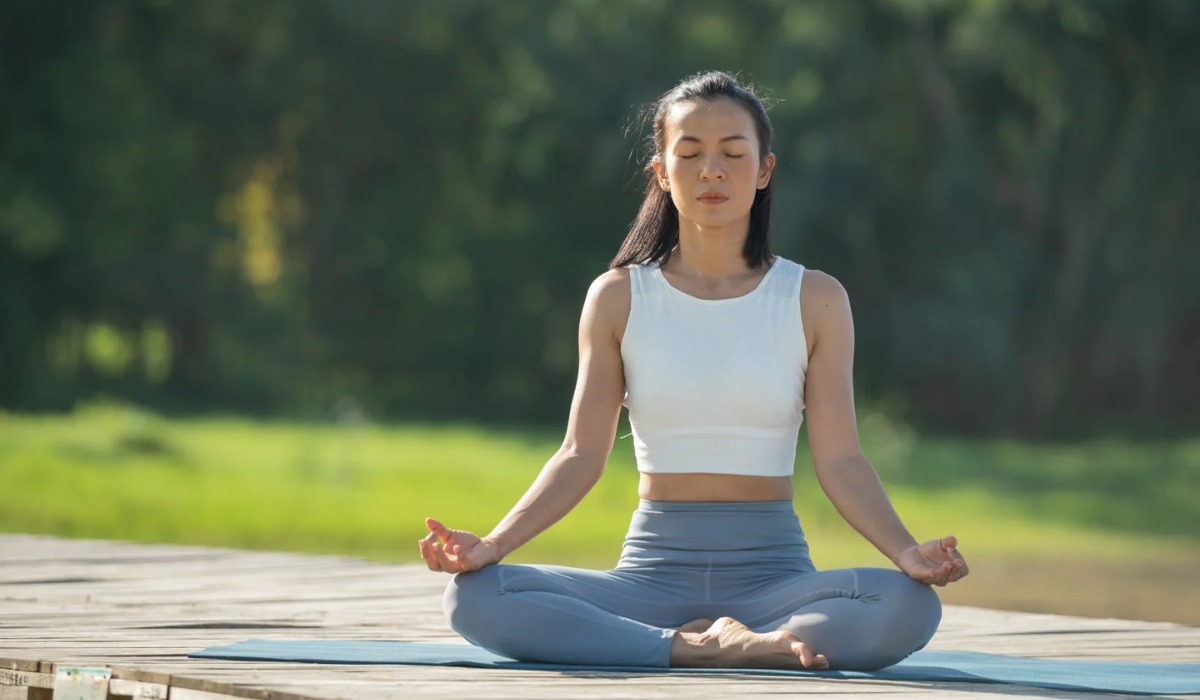
Yoga is as much about the mind as it is about the body. The breath control learned in yoga has a direct impact on golf performance. Deep, diaphragmatic breathing helps regulate heart rate, improve focus and reduce tension – essential skills for tee box nerves, competitive pressure or recovering from a bad shot. Professional golfers often use breathing exercises as part of their pre-shot routine to stay calm, keep their swing rhythm steady and stay mentally present during all 18 holes.
Injury prevention and longevity
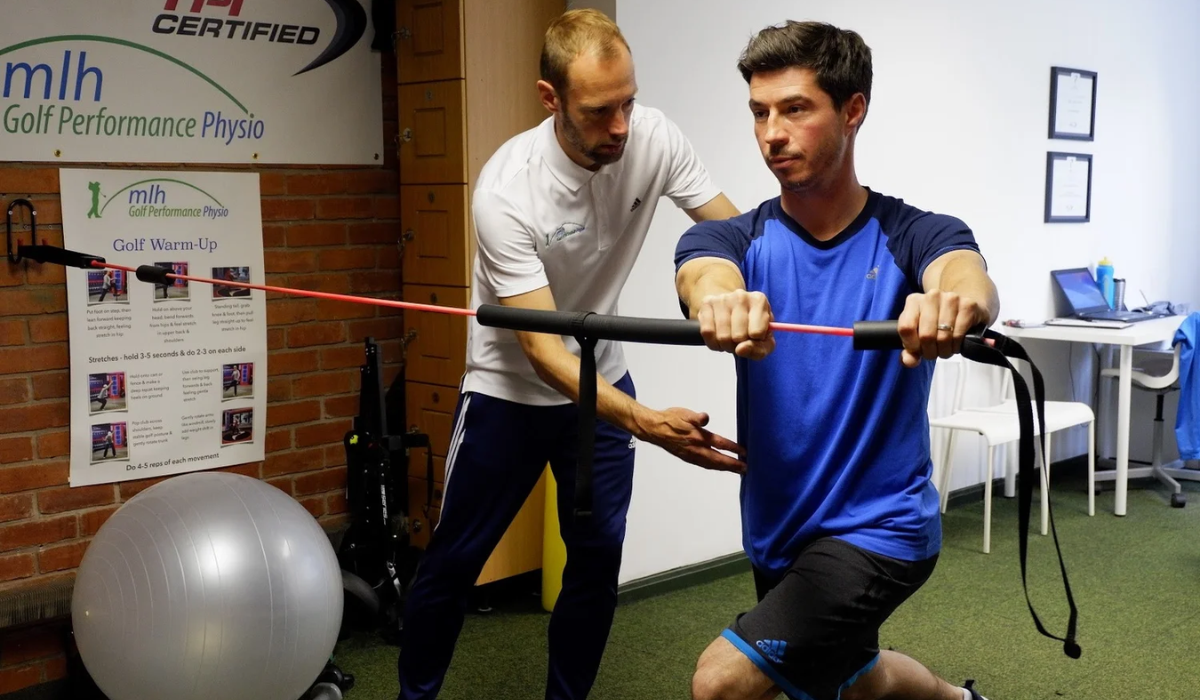
Back pain, elbow tendonitis and shoulder problems are among the most common golf-related injuries. Many of them arise from poor mobility, weakness, or overuse. Yoga combats all of this by improving posture, strengthening the spine and encouraging good movement patterns. For older golfers, yoga also increases bone density, improves circulation to muscles and joints, and maintains the mobility needed for a comfortable, powerful swing well into later life.
Faster muscle recovery and reduced fatigue

Playing golf may not look exhausting, but walking the course, carrying a bag and repeating fast swings takes its toll. Yoga improves blood flow to the muscles, reduces pain and speeds recovery by lengthening tight areas and releasing tension. Even a short 10-minute yoga session after a round can prevent stiffness the next morning and prepare the body for the next competition.
Sharper focus and emotional control
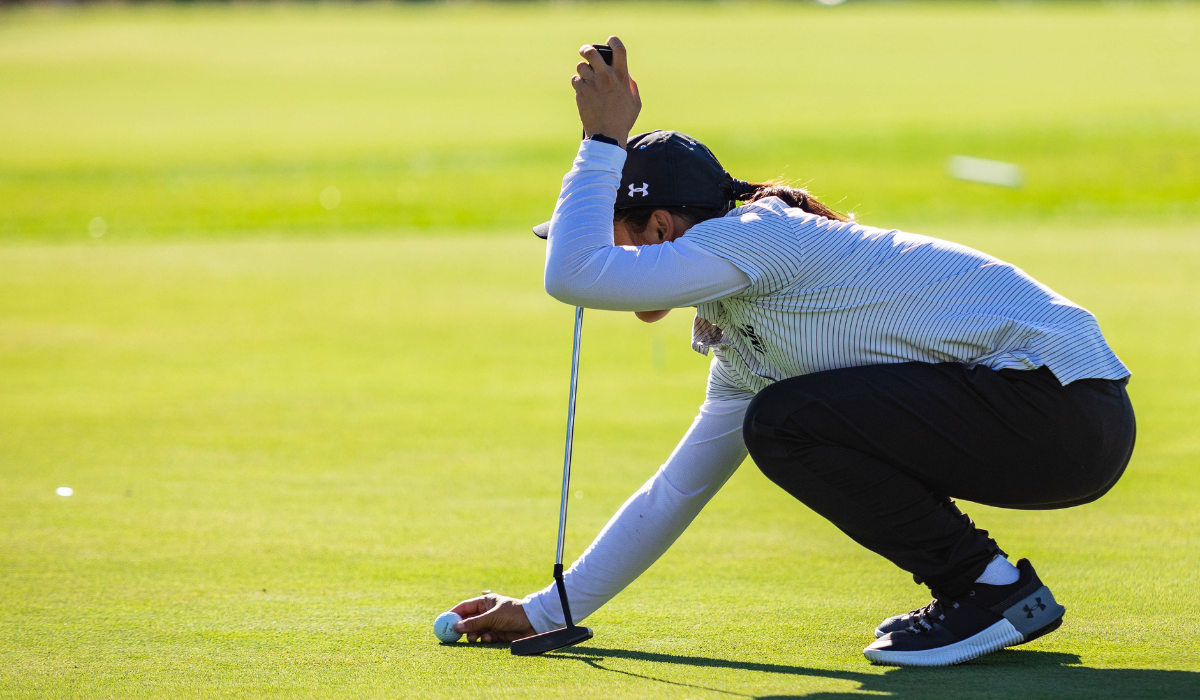
Golf rewards both mental toughness and physical skill. Yoga improves mindfulness: the ability to stay aware, present and in control of your thoughts. Regular practitioners experience better concentration, fewer emotional swings and the ability to quickly reset after mistakes.
This mental stability often becomes a competitive advantage. Golfers who practice yoga report improved patience, a calmer mind and a more positive approach to adversities on the course.
A winning combination for all skill levels

One of the best things about combining yoga and golf is the accessibility. You don’t have to be flexible or experienced to get started. A simple routine of 10-15 minutes a few times a week can lead to noticeable improvements in mobility, posture and consistency.
Golfers who integrate yoga into their training often find that not only does their game improve, but so does their overall well-being, sleep and energy levels.
How to build strength for golf
Balance between sport and spa: the new golf wellness trend
#Benefits #Combining #Yoga #Golf #Square #Blog