

The holidays are a time of celebration, but it’s easy to get carried away with spending. If the gifts, meals, and festivities make your wallet feel lighter than you’d like, you’re not alone. Many people face financial stress after the holidays and wonder how they can get back on track.
The good news is that there are practical steps you can take to recover financially and prepare yourself for a better year.
Whether it’s tackling debt, overhauling your budget or finding ways to save more, small changes can make a big difference. Let’s take a look at how you can take back control of your finances after the holidays.
Review your expenses and create a budget

Take a closer look at where your money went during the holidays.
Create a realistic budget that includes essential expenses and allows you to save. A clear plan can prevent overspending and put you on the path to financial stability.
For more information: How to Budget Money and Still Enjoy Life
Cut back on discretionary spending for a few months

Limit non-essential expenses such as dining out or entertainment. Redirect those savings toward paying off debt or building your emergency fund.
Small sacrifices now can make a big difference in regaining control of your finances.
For more information: How to Budget Flexible Spending and Save Money?
Start paying off credit card debt immediately

Focus on paying off credit card balances before the holidays to avoid high interest charges. If possible, make larger payments, starting with the card with the highest rate.
Paying off debt quickly reduces stress and saves money.
For more information: How to Get Out of Debt in 5 Easy Steps
Set up an emergency savings fund
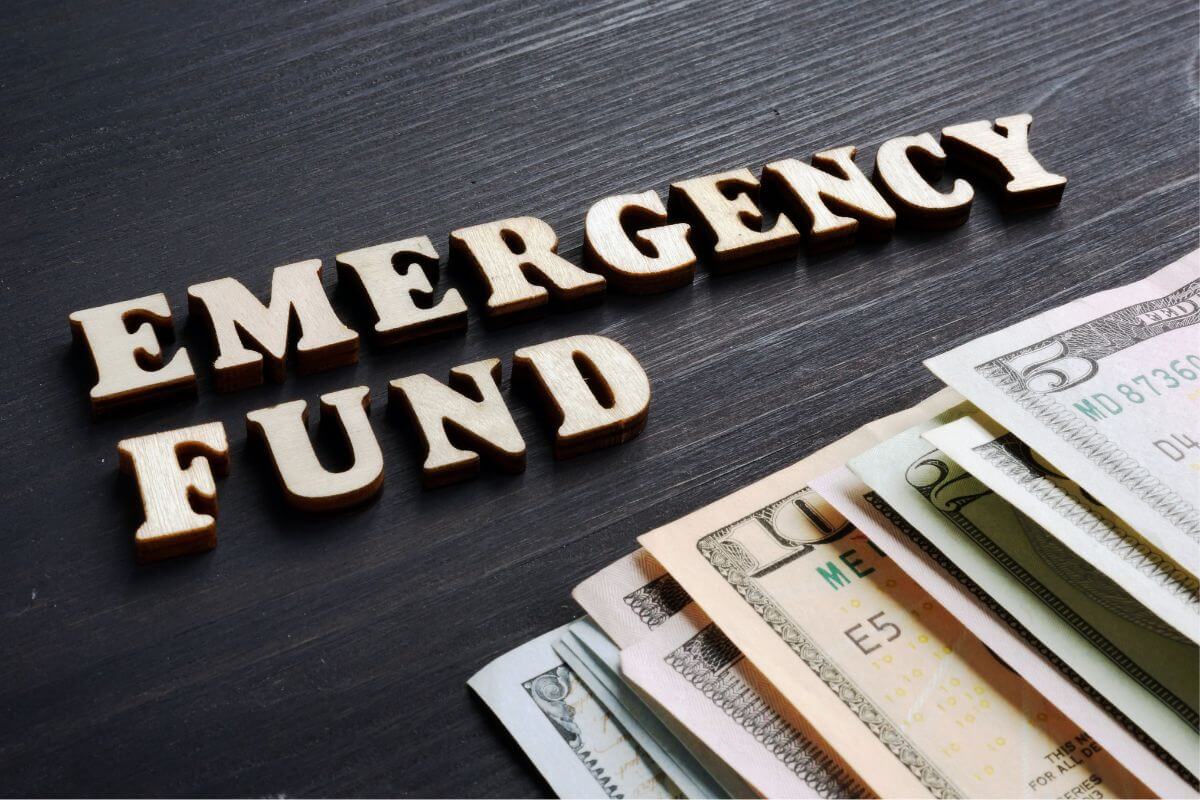
Start setting aside money for unexpected expenses. Even small amounts can add up over time and can prevent you from relying on credit in an emergency.
A solid savings buffer is an important step towards being financially healthy.
For more information: Emergency Fund – Everything You Need to Know
Increase your income through side jobs or freelance work

Consider taking on a side hustle or freelance gig to increase your income.
Use the extra income to pay off debts or rebuild savings. It is a proactive way to recover financially after overspending.
For more information: The Best Side Hustle Ideas to Grow Your Money
Use cash for purchases to avoid more debt

Stick to using cash or debit cards for everyday expenses. This will help you stay within your means and prevent your credit card debt from increasing even further.
With cash you know how much you are spending.
For more information: Use the Cash Envelope System and Find Success
Avoid impulse purchases and stick to your budget

Keep a list and avoid unplanned purchases. Impulse purchases can hinder your financial recovery.
A budget keeps you on track and helps you prioritize the things that really matter.
For more information: Which payment type is best if you want to stick to a budget?
Prioritize paying off high-interest debt first

Tackle your most expensive debts first to save money on interest.
Paying off high-interest debt quickly frees up more money for other purposes, such as saving or investing. This will help motivate you to keep working on becoming debt free!
For more information: Debt Snowball vs. Debt Avalanche – Which Method is Best?
Review and adjust your monthly subscriptions

Check your subscriptions and cancel those you are not using.
Streaming services, memberships and apps can add up. Reducing unnecessary expenses puts money back in your pocket.
For more information: 10 ways to drastically cut costs now
Keep track of all expenses for accountability
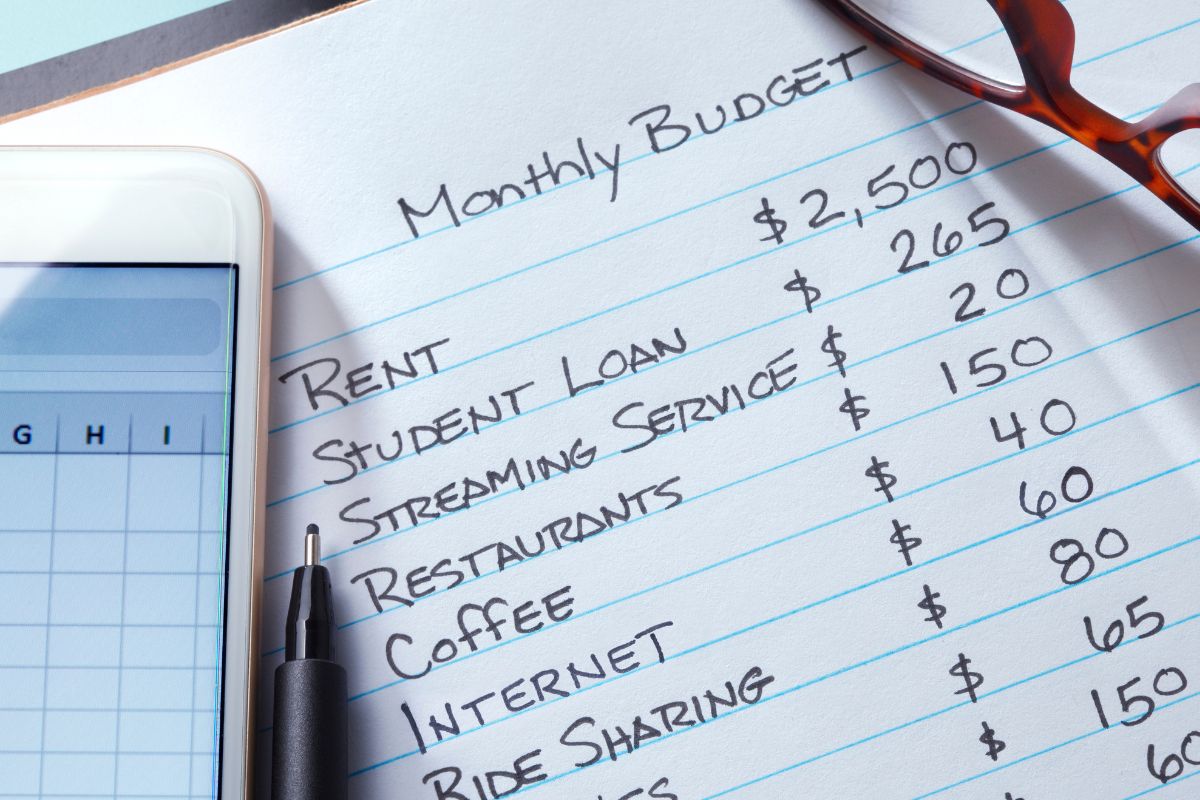
Write down every dollar you spend to see exactly where your money is going.
Tracking expenses can make it easier to identify areas where you can cut back and stick to your financial goals.
For more information: How to Organize Personal Finances in 8 Easy Steps
Look for ways to reduce fixed costs
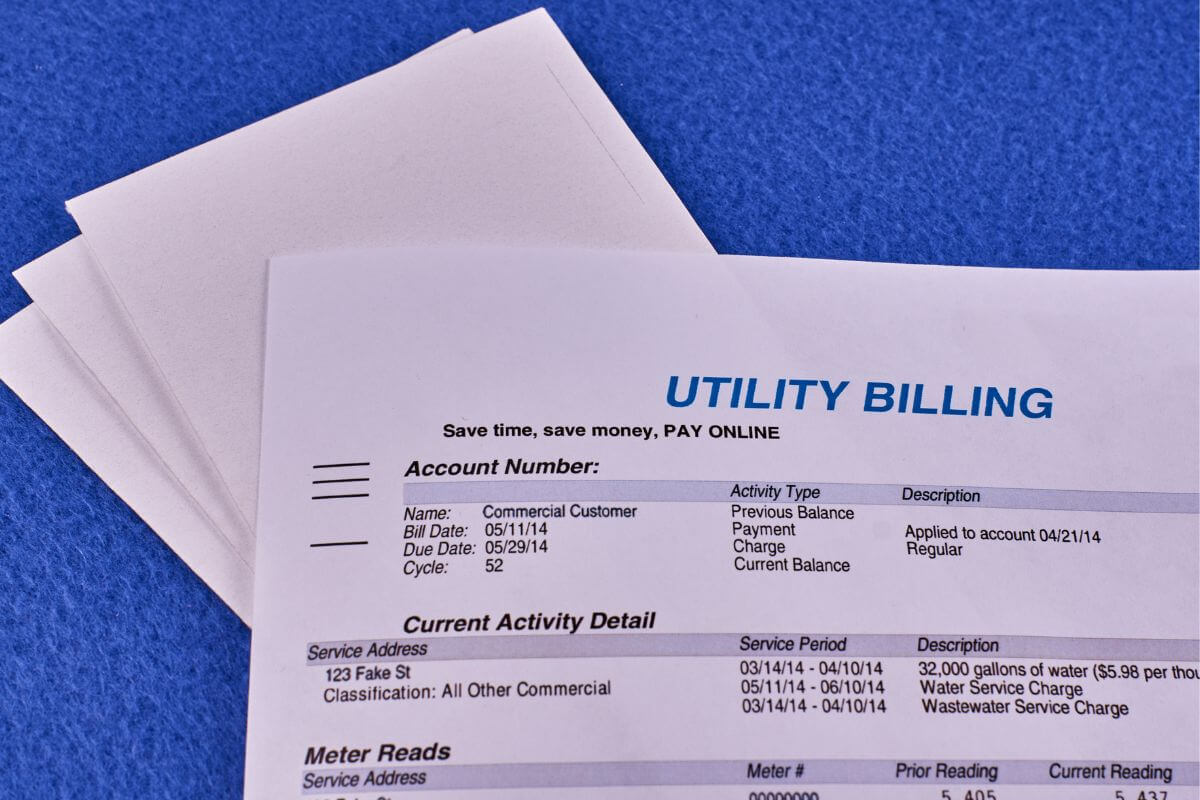
Call service providers to negotiate better rates for cell phones, insurance or internet.
Small changes in fixed costs free up more budget for paying off debts or saving.
For more information: What are fixed costs? How to budget for fixed costs
Set financial goals for the coming months

Plan short-term goals, such as paying off a specific debt or building a savings buffer.
Clear objectives will help you stay motivated and focused on recovery after the holidays.
For more information: 10 Smart Financial Goals You Need
Save your savings for the next holidays
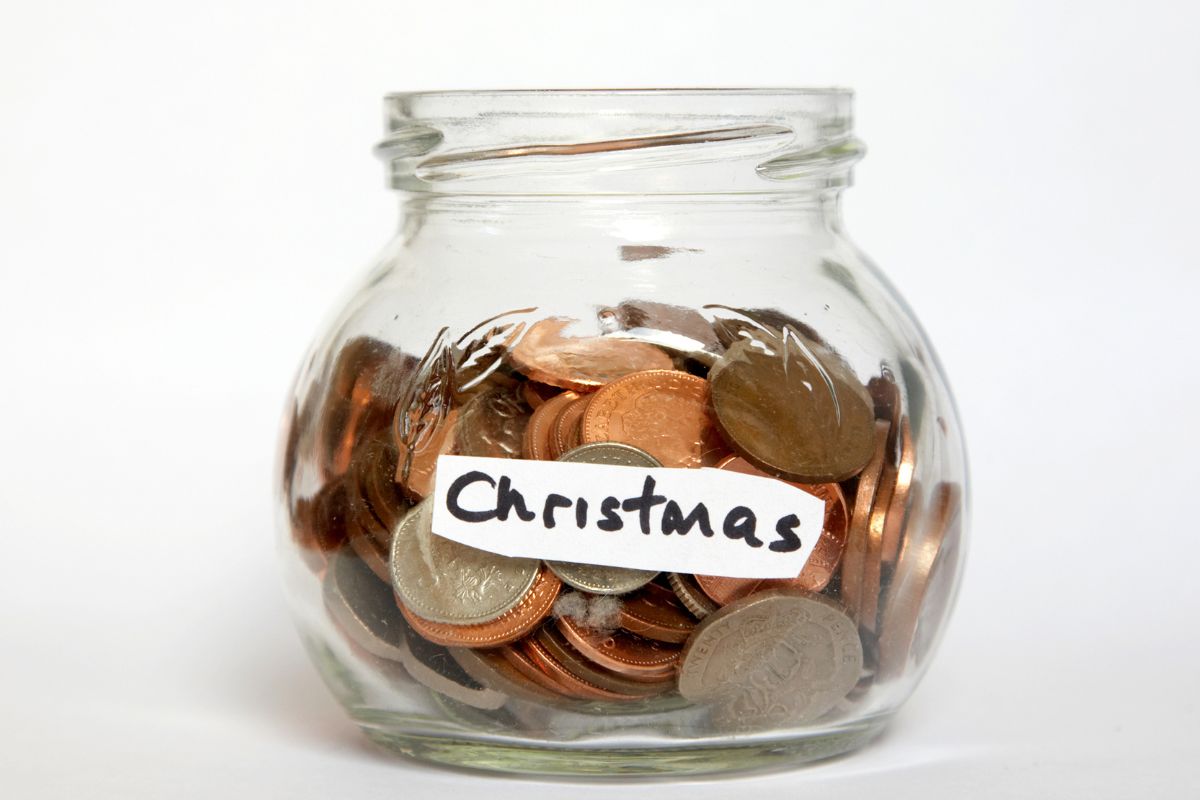
Start putting money aside now for next Christmas. Twelve months will pass quickly!
Even saving a little each month can prevent debt and reduce stress when the holidays arrive again.
For more information: Saving for Christmas: 25 Easy and Festive Ways to Make Your Holidays Easier
Avoid taking on more debt for unnecessary purchases

Avoid using credit for things you don’t need.
By postponing non-essential purchases, you can stay on track financially and recover faster.
For more information: 7 Simplistic Habits Necessary for a Debt-Free Life
Use financial tools or apps to track expenses
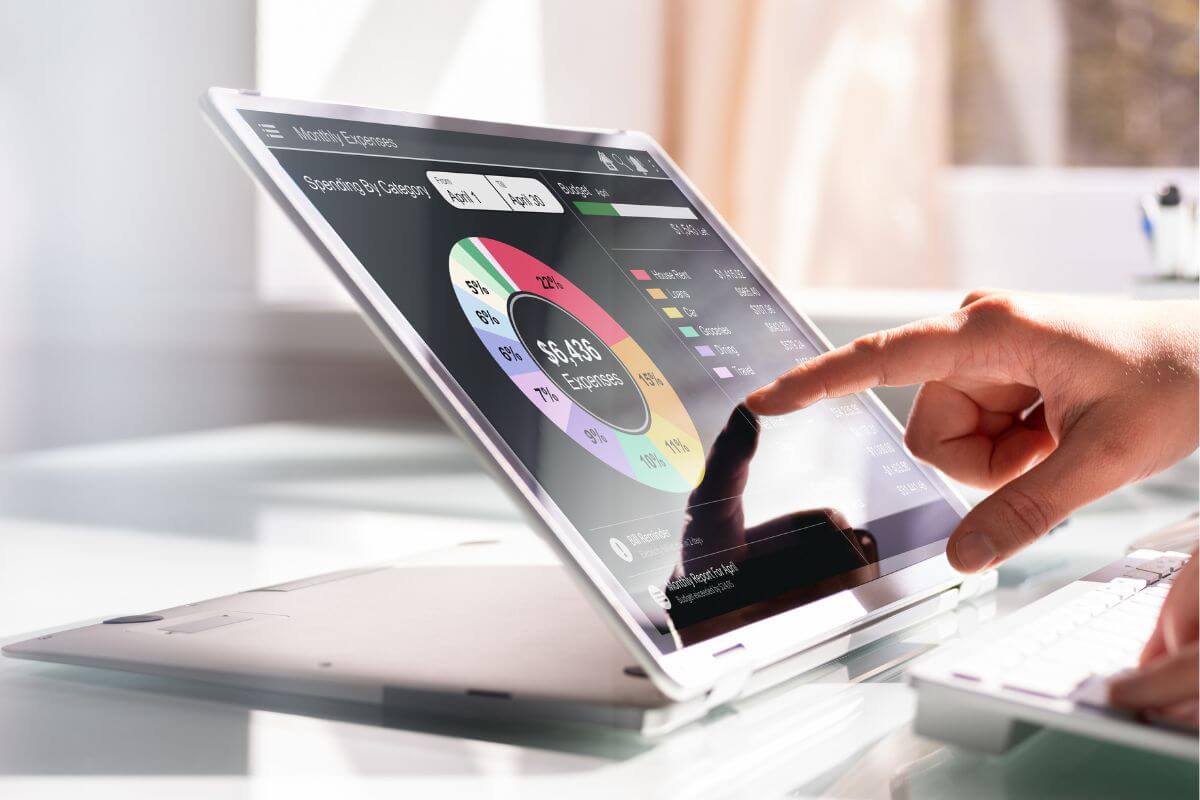
Download a budgeting app or spreadsheet to track your spending and savings goals.
These tools make it easier to stay organized and take control of your finances.
For more information: Budgeting Apps: The Complete Guide to the Best Budgeting Apps
Automate savings and bill payments to avoid missing deadlines

Set up automatic transfers for savings and bill payments.
Automation keeps you on schedule and helps you avoid late fees or missed savings opportunities.
For more information: 5 effective billing calendar strategies that will boost your finances
Consider consolidating debt to lower interest rates

Look into debt consolidation to combine multiple balances into one with a lower interest rate. It simplifies payments and can save you money in the long run.
Double-check the agreement before signing any documents!
For more information: Debt Consolidation 101: What You Need to Know
Reevaluate your financial priorities and adjust them as necessary

Take a step back and think about what matters most to your finances.
Adjust your spending and saving habits to better align with your goals.
For more information: The Ultimate Guide to Creating Money Vision Boards
Get on your way to becoming a millionaire with no money

Becoming a millionaire without money may seem out of reach, but with the right mindset and habits, it is possible. Start by setting clear goals, managing your expenses and investing in your skills.
Focus on small, consistent steps that build wealth over time. Financial success is not about where you start, but about how you grow.
Follow Money Happiness for more tips and tricks!
For more information: How to Become a Millionaire Without Money
Do you know someone else who also needs this? Then please share!!

Did the message affect you?
More importantly, have I answered the questions you have on this topic? Let me know in the comments if I can help in any other way!
Your comments are not only welcome; they are an integral part of our community. Let’s continue the conversation and explore how these ideas fit into your journey to Money Bliss.
#Spent #Tips #Recover #Financially #Holiday #Spending #Money #Bliss