

You’ve been there. Yesterday you trained hard in the gym. Or you ran longer or faster than normal during your training run. Your legs feel like jello and you think twice before getting out of bed. We’ve all been there. So what can you do about it?
A short recovery training with little impact.
Exercise is by far the best option for a rest day. You can lie down and do nothing, or train your sore and tired muscles to bounce back faster.
It doesn’t have to be complicated or time-consuming; it just needs to be a conscious movement.
Why your rest day workout routine is more important than you think
So what does low-impact recovery training do for your body?
The movement pumps fresh blood into your tired muscles, revitalizing them and relieving stiffness. It also flushes waste products, such as lactic acid, from your muscles. Finally, the extra exercise can make you feel better and speed up your recovery process.
It’s a win-win situation. So let’s talk about the best recovery training routines to get you moving again on your rest days!
7 rest day workout routines that actually work
You can find plenty of workout routines online to maximize your gains. But which of them actually works? Here are seven of the best.
1. The morning stretch fix
Have you ever noticed that your body is stiff when you first get up in the morning? Especially after an intensive training day. Loosen yourself up with this 10-minute stretching routine.

- Cat-cow stretches: 10 slow reps.
- Child’s Pose: Hold for 2 minutes
- Hip circles on hands and knees: 10 per side
- Gentle spinal twists lying down: 1 minute on each side
- Legs against the wall: 5 minutes
Don’t forget your breathing. Exhale as you go deeper into each exercise. Take your time and enjoy the journey.
Do you want to go further? Improve flexibility and prevent injuries with our guide to effective stretches.
2. The walk-and-talk (20 – 30 minutes)
As a runner, this is a personal favorite recovery day activity. Bonus points for getting fresh air and the opportunity to clear your head. Consider bringing a friend or loved one!

Just like with your The Morning Stretch Fix, take your time and move at a pace where you can easily carry on a conversation. Let your arms swing naturally at your sides and enjoy the scenery.
Do you feel tight? Take a stretching break before, during or after your walk.
Do you want an extra challenge? Unplug for a while by leaving your phone at home.
3. The pool session (25 minutes)
The best time for a pool session is when it’s warm or when you want to give your joints a break.

Get to know your 25-minute training:
- Easy water walking: 5 minutes (forward, backward, sideways)
- Arm circles in chest-deep water: 2 minutes
- Leg swings, holding the edge of the pool: 10 per leg
- Gentle swimming (each stroke): 10 minutes
- Float and relax: 5 minutes
Water movement supports your weight and provides light resistance, making it an ideal recovery day workout.
4. The Foam Roll Session (20 minutes)
Foam rolling can be intense. Take it easy with these exercises and if at any point you start to feel pain, stop immediately. The trick to foam rolling is to breathe through the discomfort. That feeling is the loosening of knots in your muscles and an increase in blood flow to the targeted area.
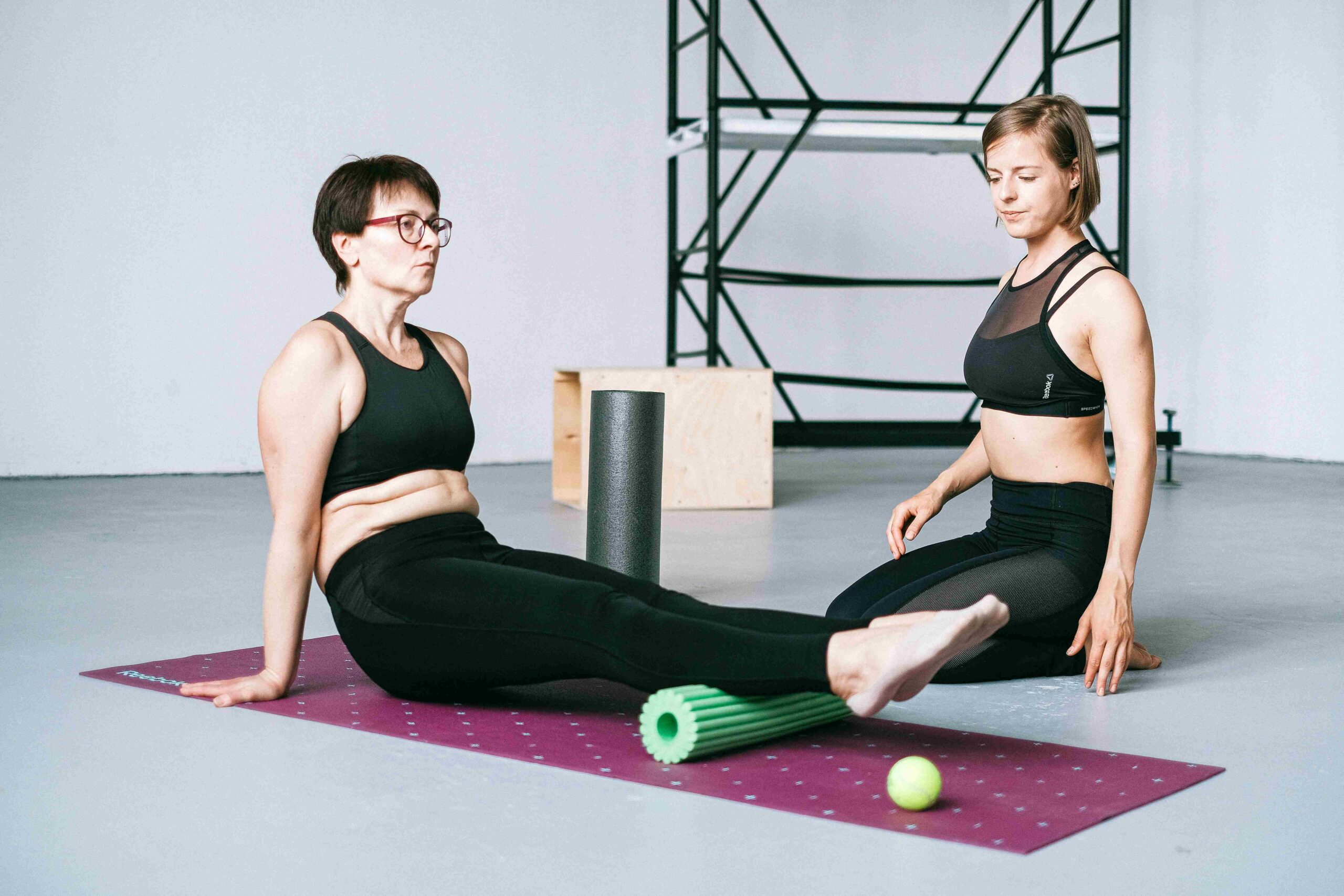
- Calves: 2 minutes per calf
- Hamstrings: 1 minute each
- Quads: 2 minutes per quad
- Glutes: 3 minutes
- Upper back: 3 minutes
- Note: Avoid the neck area completely
- IT band: 2 minutes per leg
Check out this article on how to reach other parts of your body with foam rolling!
5. The Living Room Flow (20 minutes)
Looking for something more active? Check out this bodyweight flow that you can complete in your living room!
Start with 30 seconds of work and 30 seconds of recovery. Go through this flow twice with a stretch break between rounds and at the end.
- Arm circles (both directions)
- Bodyweight squats (slow and controlled)
- Standing hip circles
- Backward lunges (step backward, not forward)
- Push-ups against the wall
- March in place
- Side bends with arms above head
6. The full body stretch (25 minutes)
The best thing about this full-body stretching routine is that you can do it anytime, anywhere. It’s a great sequence that targets your entire body.
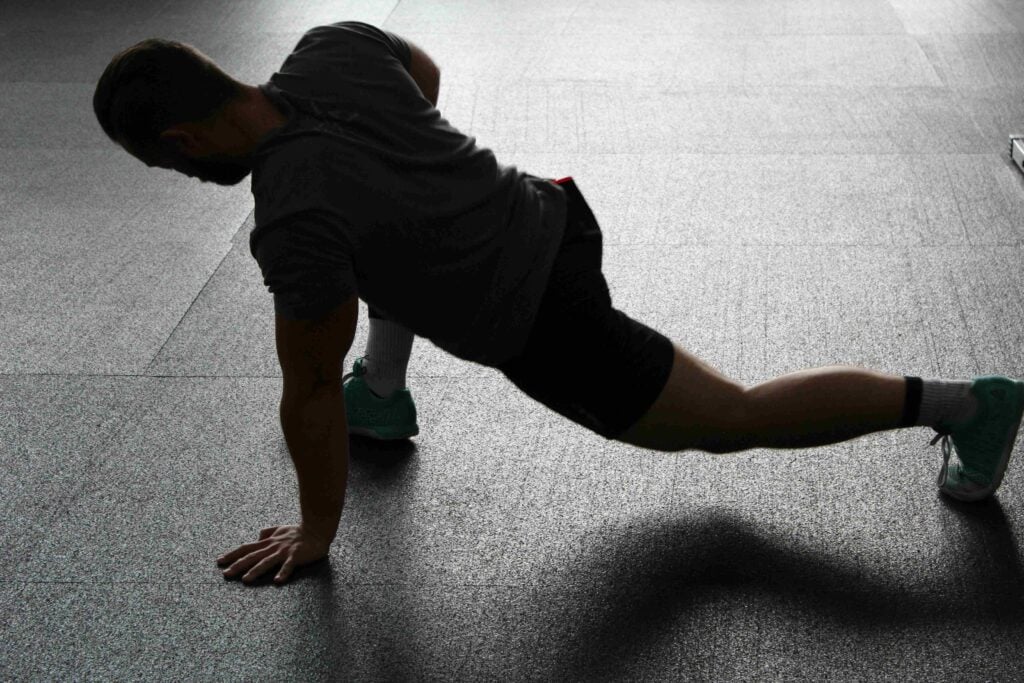
Check it out:
- Neck rolls: 1 minute
- Shrug: 1 minute
- Chest stretch against the wall: 2 minutes
- Hip flexor stretching: 2 minutes per leg
- Hamstring stretch lying down: 2 minutes per leg
- Figure 4 glute exercise: 2 minutes on each side
- Spinal lying: 2 minutes on each side
- Child’s pose: 5 minutes
Melt into any position, keeping your breath slow and steady.
7. The dance break (15 minutes)
Don’t feel like a structured activity and just want to let loose? Put on your favorite songs and dance away. No rules, just move and flow to the rhythm of the music. It’s not that serious, enjoy!

Signs Your Rest Day Workout Routine Is Working
There will be plenty of signs that your rest day workout routine is working, such as:
- Less morning stiffness
- Better mood and energy
- Less pain
- Faster recovery
- Less aches and pains.
Please note that if you feel more tired or the pain gets worse, call back. Your exercise routine on a rest day should leave you feeling refreshed and not exhausted.
How to make your rest day workout routine stick
With all the benefits and options mentioned above, where do you start?
First choose one of the seven to try. You don’t have to do all seven at once. Which one will bring you the most joy? Which one will you stick with?
Second, start small. Twenty-five minutes can feel like a lot. Make sure the routine fits into your schedule, and even consider putting it on your calendar if that helps you stay accountable.
Finally, don’t promise just one. Mix it up to keep your mind and body interested. Try them all and browse your favorites.
How Often Should You Do Your Rest Day Workout Routine?
Incorporate these programs into your existing exercise routine. Ideally, aim for 2-3 times a week depending on the intensity of your regular workouts, especially after leg day.
Most importantly: listen to your body. Do you feel exhausted? It’s okay to skip. Do you feel energetic but stiff? Give it a try. You know yourself best, so do what feels best for your body.
Tips to keep in mind
- If you are sweating a lot and/or out of breath, turn back. Your breathing should be steady during all of these routines except during the dance break.
- It is normal to feel sore or stiff. It is not normal to feel pain. Be aware of your body and remember the saying: “if it hurts, don’t do it”.
- Keep it simple. Simplicity leads to consistency.
- Any bit of exercise is better than no exercise at all. Do you only have 5 minutes? Use them to stretch.
Final thoughts
Rest days are supposed to be restful. If something doesn’t feel right or painful, stop immediately. Your body heals and your muscles grow with rest. So why not take care of your body with these seven rest day recovery workouts?
Choose one and try it out. See how it goes and how it feels. Start simple, stay consistent and pay attention to the results.
Invest in yourself today to live a healthier life tomorrow!
#Recover #Smarter #LowImpact #Workouts #Bounce #Stronger