

This article may contain references to products or services from one or more of our advertisers or partners. We may receive compensation when you click on links to those products or services. Nevertheless, our opinions are our own.
The information in this article is accurate to the best of our knowledge at the time of publication. However, information is subject to change and no guarantees are made as to the continued accuracy or completeness of this content after the date of publication.

Business credit represents a company’s financial position in the eyes of lenders, vendors and partners. It is one of the most important factors affecting access to financing, supplier agreements and the overall credibility of the company. A strong credit profile indicates reliability, which can lead to better lending terms, stronger supplier relationships and greater growth opportunities.
Building and maintaining business credit requires consistency and discipline. A score is determined by several factors, such as payment history, use of available credit, age of the account, diversity of credit lines and recent activity. By understanding these elements, a company can strengthen its financial position and build lasting partnerships with lenders and suppliers.
Selecting the right business structure and financial basis
A company’s legal structure affects how credit bureaus and institutions assess risk. Creating a formal entity also separates personal and business liabilities, helping to create an independent credit identity.
Common types of business entities
| Business type | Liability Coverage | Administrative complexity |
|---|---|---|
| Sole proprietorship | No | Low |
| Limited Liability Co. | Yes | Moderate |
| Company | Yes | High |
Once a structure is chosen, companies must:
- Apply for an employer identification number from the IRS
- Register the company with the appropriate government agency
- Open a dedicated business bank account
These steps support credit separation and improve the company’s profile with lenders and suppliers.
Establishing supplier relationships that report credit activities
Relationships with vendors and suppliers provide more than just operational value. They help build trade credits. Not all suppliers report to business credit bureaus, so choosing partners that do is an important step.
To cultivate effective supplier credit:
- Engage partners who report payment history to agencies such as Dun & Bradstreet or Experian Business
- Ensure accounts are paid consistently on or before the due date
- Request trade references to demonstrate reliability
- Participate in business networks or industry associations to discover credit-active suppliers
| Supplier | Credit limit | Conditions | Contact |
|---|---|---|---|
| ACME supplies | $5,000 | Net 30 | Jane Doe |
| Technical innovations | $10,000 | Net 60 | Johannes Smith |
These relationships can help a company build a reputable and visible financial profile.
Monitoring corporate credits with consistency
Monitoring credit reports protects the business from misreporting, identity fraud, or data errors that could impact financing. Each agency, including Dun & Bradstreet, Experian Business and Equifax Business, may hold different information, so regular checks are advised.
Best practices for monitoring
- Check each agency’s reports at least once a year
- Investigate discrepancies promptly through the agency’s dispute process
- Use paid or subscription services that provide real-time alerts about important changes
- Track key metrics such as payment history and usage rates
| Credit factor | Influence on the score |
|---|---|
| Payment history | The hardest hit are late payments, which hurt |
| Credit utilization ratio | Keeping usage below 30 percent is ideal |
| Length of credit history | Longer established accounts score higher |
Consistent monitoring allows a company to respond quickly and maintain a positive financial reputation.
Manage finances with strategic intent
Credit is not simply built, it must be maintained. Financial stewardship, especially regarding credit utilization, distinguishes companies with strong and sustainable credit.
Good practices include:
- Make timely payments on all accounts to strengthen credibility
- Using credit to bridge gaps in cash flow, not for routine operating costs
- Keep business and personal expenses completely separate
Budgeting, forecasting and selective lending ensure that credit remains a resource rather than a burden.
Using credit responsibly to promote business expansion
As a business grows, credit becomes a tool for expansion. A strong credit profile can open doors to financing at lower interest rates and better negotiating positions with suppliers.
Ways to use credit strategically
- Extend supplier terms to optimize cash flow during busy or seasonal periods
- Fund purchases such as machinery, inventory or upgrades
- Provide working capital lines of credit so that other financing methods remain available for long-term investments
| Financing option | Impact on credit profile | Ideal goal |
|---|---|---|
| Business credit card | Builds credit history | Recurring, smaller releases |
| Equipment financing | Helps in using credit | Machinery and hard assets |
| Business term loan | Improves credit diversity | Facility upgrades or staffing |
When managed responsibly, credit supports scalable growth and future investment opportunities.
Frequently asked questions about business credit
What does business credit entail?
It reflects a company’s track record in managing borrowed money. A strong file increases financing options, improves insurance premiums and reduces the need for personal guarantees.
How can a company become credit active?
Companies must register with credit bureaus, maintain separate banking and work with suppliers or lenders who report credit activity.
What is a DUNS number?
It is a nine-digit identification code issued by Dun & Bradstreet. This allows a company to prepare its file and monitor credit activities.
How do supplier relationships affect business credit?
Reliable relationships with reporting suppliers strengthen a credit file through timely payments and trade references.
Why Check Credit Reports Regularly?
Regular reviews help identify inaccurate data or suspicious activity before it impacts financing decisions or supplier relationships.
Conclusion
Business credit is more than a score; it is a measure of trust and financial responsibility that impacts virtually every aspect of business operations. From obtaining financing to negotiating agreements with suppliers, it plays a central role in long-term stability. A strong credit profile is built through timely payments, careful account management and consistent reporting between suppliers and lenders.
For businesses looking to grow, knowing how to build business credit and improve business credit scores can provide access to better financing options, stronger partnerships, and long-term growth potential. By focusing on supplier relationships, monitoring reports and using credit responsibly, a company can position itself as a trusted partner in the marketplace and strengthen the foundation for future success.

Reviewed and edited by Albert Fang.
Spot a typo or would like to suggest an edit/revision to the content? Use the contact form to provide feedback.
At FangWallet, we value editorial integrity and open collaboration in curating quality content for readers to enjoy. Much appreciated for the help.
Did you find our article fun and enlightening? We encourage you to share the article link with family and friends so they can benefit from it too – better yet, share it on social media. Thanks for the support! 🍉
Article title: Proven ways to build business credit and grow your business by 2025
https://fangwallet.com/2025/11/05/proven-ways-to-build-business-credit-and-grow-your-company-in-2025/The FangWallet Promise
FangWallet is an editorially independent resource – based on breaking down challenging financial concepts for everyone to understand since 2014. While we are committed to editorial integrity, please note that this post may contain references to products from our partners.
FangWallet’s promise is to always have your best interests in mind and be transparent and honest about the financial picture.
Become an insider
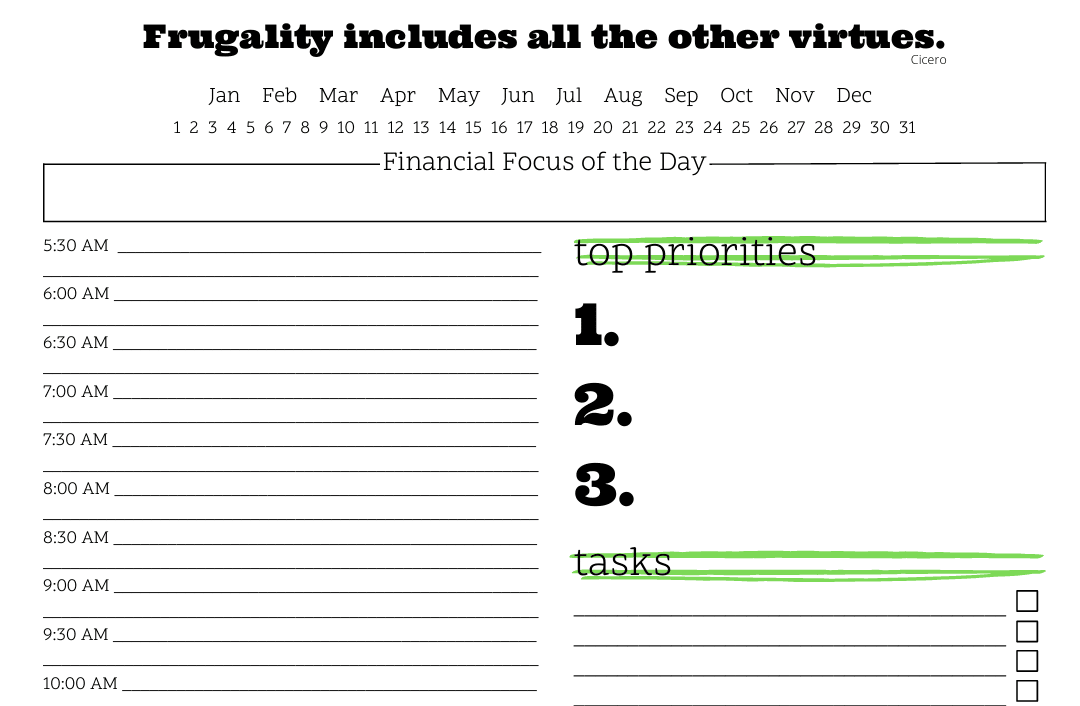
Sign up to receive a free printable daily budget planner so you can get your money on track!
Earn passive money the right way. No spam.
Editorial disclaimer: The editorial content on this page does not come from any of the companies mentioned. The opinions expressed here are solely those of the author.
The content of this website is for informational purposes only and does not represent investment advice, or an offer or solicitation to buy or sell any security, investment or product. Investors are encouraged to conduct their own due diligence and, if necessary, seek professional advice before making any investment decisions. Investing involves a high degree of risk, and financial losses may occur, including the potential loss of principal.
Advertiser Disclosure: This article may contain references to products or services from one or more of our advertisers or partners. We may receive compensation when you click on links to those products or services.
Write for us
Source Citation References:
+ Insp
There are currently no additional citations or references for this article.
#Proven #Ways #Build #Business #Credit #Grow #Business #FangWallet