

We often toss and turn at night without knowing why. People assume that poor sleep is just part of growing older and that they have to get used to it. But that’s not true! Everyone deserves a good night’s sleep, regardless of their age.
In fact, a good night’s sleep becomes even more important as you get older. At night the body resets itself. The better you can sleep, the fresher and more energetic you will feel the next day.
Why bedtime mobility improves sleep at any age
Our sleep patterns change as we age, and deep sleep naturally decreases over time. But this is not just due to age. As muscles and joints stiffen, they can cause discomfort. The body can experience this even during sleep, disrupting deep sleep. This discomfort causes you to toss and turn all night, which can lead to years of poor sleep.

Mobility exercises help reduce stiffness. Exercise reduces muscle tension and helps the body relax. When the muscles are relaxed, the body feels safe. That feeling of security calms the nervous system and improves sleep quality. Mobility also improves blood circulation and reduces inflammation.
Nighttime mobility routines to help you sleep even in your 50s
Adding simple mobility exercises to your nighttime routine can instantly improve your performance sleep quality. You don’t need heavy training. These slow, gentle movements are intended to help your body relax. Before you know it, you’ll be fast asleep.
1. Soft reset of the spine
Your spine carries the stress of your day. Most of our routines involve sitting all day, which compresses the lower back and contributes to poor posture. Poor posture can tighten the chest muscles, which are responsible for breathing. If your body struggles to breathe properly during sleep, you may find yourself waking up tired every day.
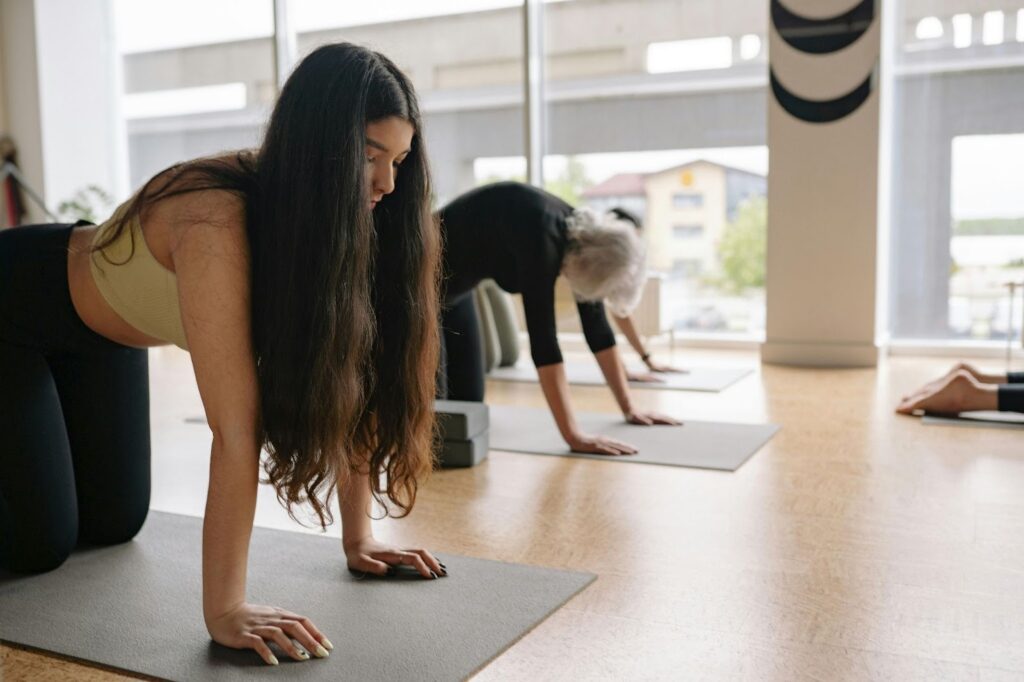
Give your spine a gentle reset with slow cat-cow movements. Many yoga sequences are ideal before bedtime as they can help the body relax. Make sure you move your body gently and not aggressively. You want to reduce the tension in your body, not create more. Focus on smooth spinal movement and add gentle seated twists to improve rotation. Finish with a child’s pose to relax your lower back.
2. Hip and lower back release
Tight hips are a common problem as you get older, especially if you spend much of the day sitting. Sitting shortens the hip flexors, which can pull on the lower back and cause strain. That tension disrupts your sleep cycle.
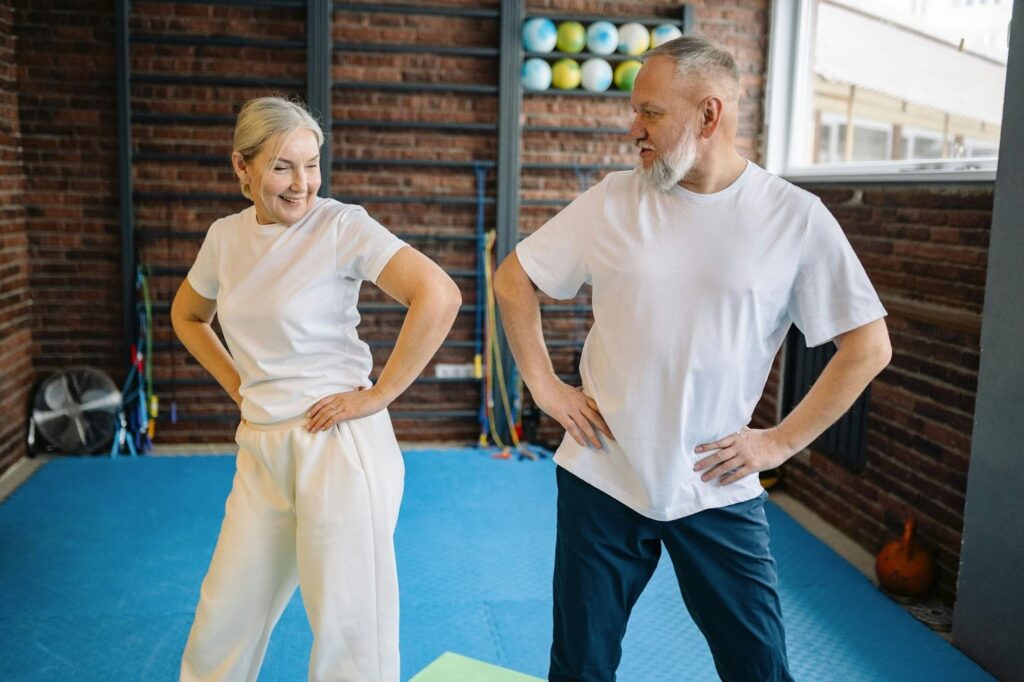
To relieve tension in the lower back, start with gentle hip circles. Circular movements improve joint lubrication. The better lubricated your joints are, the less friction they will feel while moving. Add a kneeling hip flexor stretch, keeping it gentle so you don’t strain any muscles. Finish with a seated figure-four stretch, which targets your glutes to ensure they don’t hold tension.
3. Shoulder and chest openers
As you get older, you may have noticed how your shoulders begin to hunch forward. Tight shoulders and chest muscles limit lung expansion, leading to poor breathing during the night. Yoga poses for adults can help you open your chest and shoulders.

Start with simple wall stretches, holding each stretch for about 20 to 30 seconds without overstretching. Once you get the hang of it, add gentle arm circles to improve your shoulder mobility. You need your shoulders to be flexible to avoid pain while sleeping. If it’s comfortable, add a doorway to open the front of the body, as opening your chest can improve your oxygen intake.
4. Ankle and foot mobility
Healthy blood circulation is important for a good night’s sleep. Poor circulation can cause discomfort throughout the night. Age already slows down circulation, which is why you need to do mobility exercises to keep it strong.
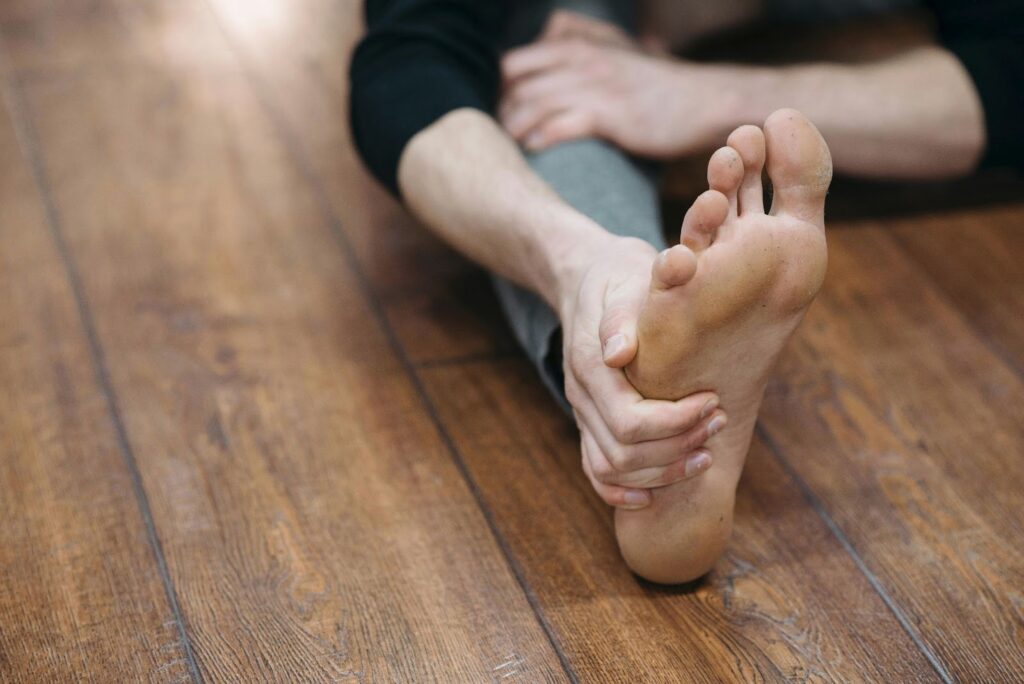
Start by doing ankle circles, then flex your feet and straighten them slowly. This activates the calf muscleswhich help pump blood through the lower body. Smoother blood flow also helps reduce leg cramps. Add toe spreads before moving into gentle calf stretches. Foot mobility not only supports daytime movement, but also helps you sleep better.
5. Relaxation of the nervous system
All of these movements are designed to slow down your nervous system. You can only sleep well when your nervous system is relaxed and comfortable. The more stressed you are, the worse your sleep will be. Stress keeps your body alert and prevents it from completely shutting down.
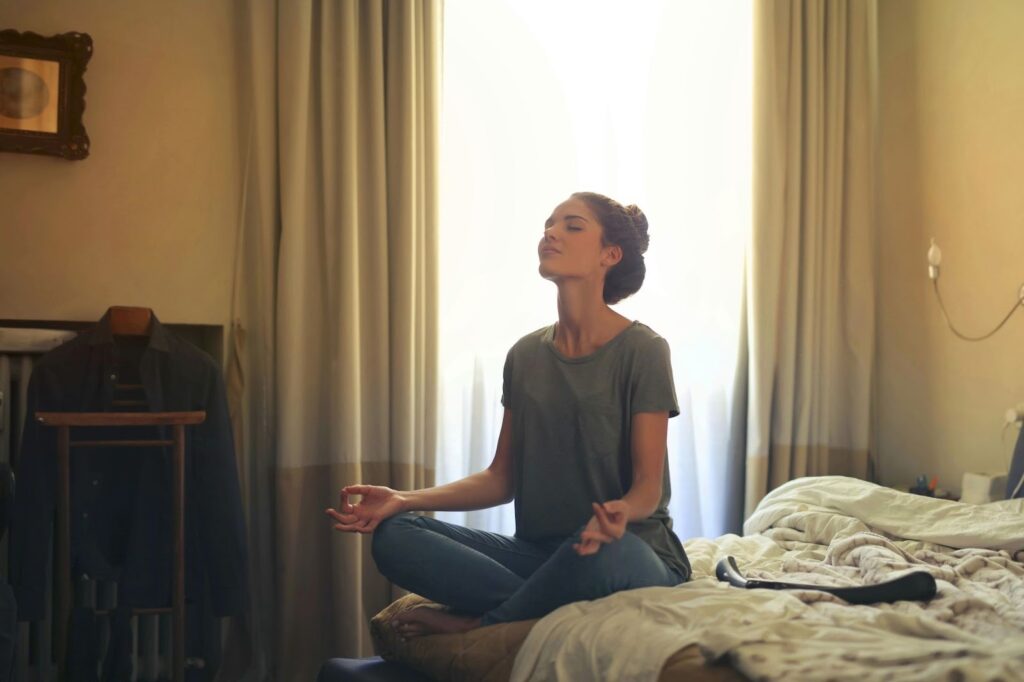
Start with slow diaphragmatic breathing. Make sure you exhale longer than you inhale, because exhaling longer lowers your heart rate. Add gentle rocking on your back to soothe the spine.
Final thoughts
From your breathing to your posture, everything affects your sleep quality. These mobility exercises target the causes of sleep deprivation. Perform these mobility routines before bed and notice how relaxed your body becomes. Soon it will feel like you are sleeping on clouds.
It’s not just age that can reduce your mobility. Without regular use it deteriorates. As you get older, it becomes even more important to keep your body flexible. These movements not only help you sleep through the night, but also keep you mobile all day long.
#sleeping #simple #mobility #moves