

Writer: Anna Nilsson Spets
The travel warning is in angry red at the Ministry of Foreign Affairs: travel advice in the weeks before I travel to Mali. Sweden is asked to leave the country, warning of kidnappings and armed attacks. I see the country that was at the top of my bucket list disappearing to the periphery.
My local guide at the destination keeps me updated every now and then as friends and family try to convince me to go to a normal country like Mallis or something.
I complete my visa application online, an extensive French story with an x number of attached documents. A few weeks later I take the train to Brussels and collect the visa.

The GP gives me malaria pills and various other good things to have. The medicine bag undeniably grows with age.

So on a snowy and cold Sunday I take the train to Brussels, the usual Starbucks coffee and cigarette in the icy wind. From -3 to +33.


Casablanca is the first stop, then on to Bamako where I land in the middle of the night and discover that my luggage is not included, nonsense too. The heat hits with a bang.
A driver is waiting for me, takes me to my accommodation where it turns out that my booking has been misunderstood and all rooms are full. The driver drives through a night-black Bamako and wakes up a night watchman in a small family hotel. It’s three in the morning and the sheets are being changed after the previous guest to something Valentine’s themed. To say that the room is clean is a great exaggeration.
Advertisement

The generator has stopped and the fan isn’t working and I fall asleep from sheer exhaustion.
The next morning on to the right accommodation; The sleeping camel, which luckily has a shop where I can buy a dress instead of my warm travel clothes. Kamelen is a chill meeting place for expats and locals.


Tuesday comes and with it my local guide Amadou, we will reach the capital today. Amadou is a freelance guide who collaborates with international travel companies and also creates his own trips. It clicks immediately!

Bamako is huge, it is located between 3 bridges and the traffic is terrible, I had not even driven a meter here.


6 million inhabitants and 1 million motorcycles.


The driver; Aboucabar has ice in his stomach and we are making progress slowly but surely.


The markets are spread out, we’ll start with one with mixed content. In my quiet mind I wonder WHERE do all these people come from? It is like the hustle and bustle of an anthill with its invisible passages.


The most interesting thing here is the area where supplies for traditional folk medicine and rituals are sold. Dried monkey heads, wild dogs, snakes, you name it…


It’s a mix of stalls, vendors and customers, if I hadn’t had my guide with me I would never have found my way out.


The craft market offers things that we tourists take home with us, these timeless carved wooden figures of course.

Beautiful wooden masks, drums and the typical funny hat worn by the Fulani people.


We are seeing high levels of recycling in the next market, with different metals being dismantled, melted down and processed into something else. The aces are burning and the sweat is dripping.


Recycling in a different form, an old Tisha from Stockholm…

Child labor is common, a mother’s heart aches when I see little boys pulling their hair out in the forges when they should actually be sitting at school.


I have traveled to many African countries, but I don’t think I have seen as much waste as in Mali, especially plastic. It looks terrible and with that dust from the powder-dry unpaved roads. Soon the rainy season starts and everything becomes a mud pit.


There are sales almost everywhere, along the roads there are simple stalls where you can buy a bed or fried balls.


The sad thing is the shelters where the women walk back and forth with a number of small children to beg for a meal together. The poverty is dire. I wonder where they live and how they survive.


The livestock market, it would probably make a Swedish animal welfare inspector faint, but the animals look quite healthy and not too thin. A livestock animal from 450 euros and a goat at least 60 euros.


Trains have not run at the old train station for years, but the building is beautiful in its desolation. A design that bears witness to a former colonial era.


Along the way, boys walk and try to fold paper tissues or wash car windows for a few sausages.

We move on to the outskirts of the capital, where the Niger River flows and where the boat builders live.


Building a boat takes about two months, you seal it with heated plastic. Recycle. The children collect pieces of wood that are taken home and burned.


Boats connected like a train arriving from the other side of the Niger. Full of sand that is loaded onto truck beds for further transport. Young girls carry large buckets of sand on their heads, it looks incredibly heavy.


My luggage then… after a turn to the airport I managed to find it among hundreds of other lost bags, hallelujah.
My second day in Mali is over, a lot of impressions and thoughts are swirling through my head when I go to bed in the evening. I am grateful that I was born in a different part of the world, a part with different circumstances.

The AC hums and cools nicely in the 90 degree heat until the power goes out and everything goes pitch black and silent.
Facts about Mali
- Geography: Mali is located in West Africa, the seventh largest country in Africa. 8 regions.
- Inhabitants: About 22 million. One of the 25 poorest countries in the world.
- Board: Currently military government, former French colony.
- Folk groups: Bambara, Fulani and Tuareg.
- Language: The majority speaks Bambara, French.
- Religion: 90 percent Muslim, 9 percent indigenous religions, 1 percent Christian.
Traveling to Mali – good to know
- Visa: Yes, no Visa on Arrival (VOA), visas are applied for online and collected at the nearest embassy. LOI is required to visit Mali; invitation letter.
- Vaccine: YES!! Above all, the yellow fever required when entering the country. Malaria prophylaxis and basic vaccine.
- Insurance: The Ministry of Foreign Affairs advises against traveling to Mali, your usual travel insurance does not apply.
- Money: West African francs, there are ATMs that work with luck. Take euros with you for any change.

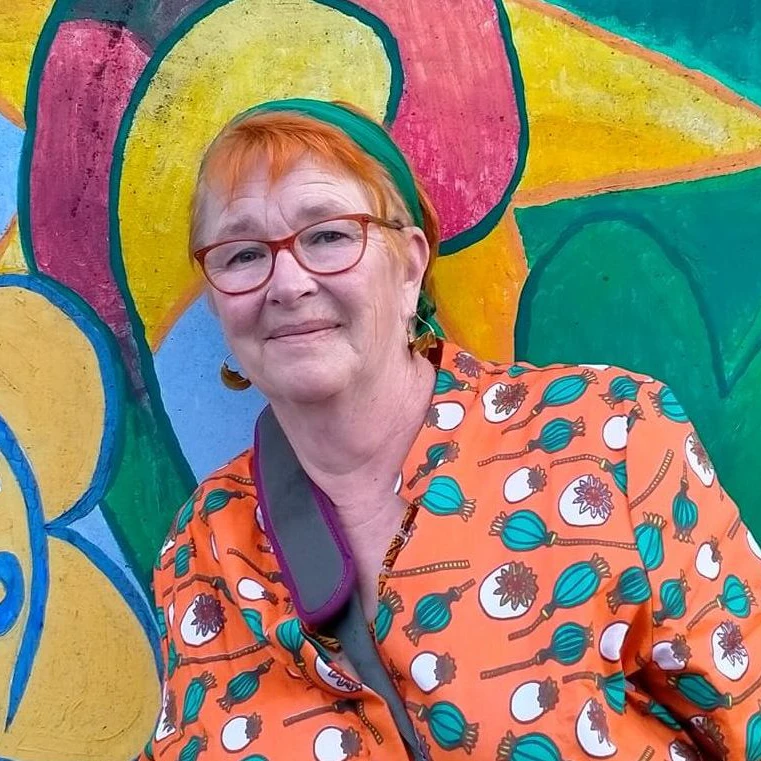
60+ year old aunt with a lifelong love for Africa. Emigrated to Flanders in Belgium and works with plants every day. Writes, takes photos and tries to inspire others to travel on a budget. Blogs about “Anna’s mixture” about traveling, working, planting, writing and much more.
#Mali #West #Africa #Aunt #Anna #ants #motorbikes