

Whether you emigrated from Russia, Ukraine, Belarus, or another Russian-speaking country, or were born in the U.S. to immigrant parents, your financial life likely involves a unique set of circumstances that most advisors are simply not equipped to handle. From cross-border planning considerations to understanding the cultural hesitancy surrounding trust in financial institutions, and experiences shaped by economic instability in the former Soviet Union, your path to financial security requires guidance beyond standard advice.
Many Russian-speaking Americans find it easier and more comfortable to discuss sensitive financial matters in their native language, and to work with an advisor who truly understands the cultural context behind their relationship with money. While there is no shortage of financial advisors in the area who can help with general planning, finding someone who speaks Russian and has experience serving this community can be much more challenging. The good news: Many advisors now offer virtual financial planning services, meaning you can work with a specialist no matter where you live in the US.
Financial planning for Russian-speaking Americans
💡 In the questions and answers below, you’ll gain insights from financial advisors who specialize in serving Russian-speaking Americans, helping them navigate the intersection of American financial planning and the cultural nuances that shape how this community approaches money and wealth.
🙋♀️ Do you have questions that are not answered below? Use the form on this page to submit your questions, and we’ll update this article with answers from the financial professionals and educators in the Wealthtender community. You can also contact the financial advisors in this article directly for an introductory meeting or to ask your questions by email.
💸 Smart money insights for Russian-speaking Americans
This page is divided into sections so you can quickly find the information you need and get answers to your questions:
- Question-and-answer sessions with financial advisors who specialize in serving Russian-speaking Americans
- Get answers to your questions about financial planning for Russian-speaking Americans
- Browse related articles
Q&A: Financial Advisors Specializing in Serving Russian-Speaking Americans
Three questions with Jakhongir “King” Mirtalipov, CRPC™, CRPS™
We asked Charlotte-based financial advisor Jakhongir “King” Mirtalipov to answer questions about his experience and services tailored to the needs of Russian-speaking Americans.
Q: How do the services you offer to Russian-speaking Americans differentiate your company from other consulting firms?
Mirtalipov: As an immigrant, I know firsthand the challenges my clients have endured to be where they are today. My practice is based on personal relationships and genuine care for my clients. As Russian-speaking Americans, they need someone who understands their unique journey across the country, shares their values, speaks their language, and has the knowledge and experience to help them achieve their goals.
Q: What is a common financial planning challenge unique to Russian-speaking Americans that you often encounter when working with your clients? How do you work with them to overcome this challenge?
Mirtalipov: One of the most common challenges when working with Russian-speaking Americans is their lack of knowledge about the U.S. financial system (e.g., pensions, taxes and tax planning, investments, and Social Security benefits). Partly due to this lack of education, a large number of people I talk to have little or no retirement savings, simply because no one has taught them how to save for retirement or what tools they have available.
Another common similarity I see among Russian-speaking Americans is that many hold large amounts of cash instead of investing and take advantage of tax deferral opportunities and the incremental growth of their money.
Many only invest in real estate because it is a tangible asset and they “understand” how it works and can generate monthly income. A large percentage of people in the Russian community do not diversify their assets and do not keep real estate as their main, if not the only, asset.
Additionally, most people I meet don’t have a written budget or know how to effectively manage their cash flow. They often have a very small or no emergency fund. And a majority of parents with minor children do not have life insurance. Nearly 99% of the people I talk to have done no estate planning (e.g. no wills, trusts, POA, Health Proxy, etc.).
Education is a primary service I provide in the first twelve months and continues long after the first year. To create a long-term plan and implement it successfully, we start with the basics. We create and implement cash flow and budgeting, set up and replenish an emergency fund, ensure the family has appropriate insurance coverage, and pay off any debt (other than a mortgage) before moving on to long-term goals.
Q: What guidance can you provide to Russian-speaking Americans who are unsure whether they should hire a financial advisor at this point in their lives to help them make a more informed and informed decision?
Mirtalipov: It all starts with self-education on the basics of finance. The first years of immigration are the most difficult and, in my experience, the most important. I believe everyone needs at least a conversation with a financial advisor and possibly a short-term project-based commitment to help them set up the basics and key aspects of their financial life.
When considering hiring a full-time financial advisor/planner for more complex assistance, immigrants should first determine what exactly they want to achieve (e.g., their end goal). And then focus on finding the advisor who has the experience and specialization to help them achieve those goals.
Q: When you first speak with a Russian-speaking American, what questions do you like to ask to better understand their unique circumstances and determine how you can best help them achieve their goals?
Mirtalipov: When I speak to a Russian-speaking American for the first time, I always try to get to know their story. Immigrants have many different reasons for leaving their home countries and immigrating to the US, but most of them share a common goal: to build a dream life here. Over the years I have heard fascinating stories about their immigration journeys. Understanding their situation and future goals is the most important part of my initial conversation.
Q: What questions do you recommend Russian-speaking Americans ask financial advisors they are considering hiring to help them decide if they are a good fit?
Mirtalipov: Here are some questions I encourage Russian-speaking Americans to ask a financial advisor before making a hiring decision:
- Ask whether the financial advisor has formal financial training and/or extensive experience (tenure) in the industry.
- What licenses and professional designations does the financial advisor have? (read about designations and understand what they mean)
- How is the financial advisor paid? Does he/she work on commission? (Big red flag if the answer is YES)
- Does the financial advisor have a professional website/social media accounts with client reviews?
- BrokerCheck – Find a broker, investment or financial advisorthis is a great place to vet a financial advisor before the first meeting. You can learn where the advisor currently works and, in the past, current licenses and any customer complaints and disclosures.
Q: Is there anything that often comes up during your first encounter with Russian-speaking Americans that surprises you?
Mirtalipov: The majority of people I talk to believe that financial advisors can only help with investment accounts. They are really surprised when I start asking questions about financial planning, tax optimizations, retirement income and estate planning. This is why I initially spend a lot of time educating my clients about different aspects of my work and how it can benefit them.
Q: Is there a particularly memorable experience or moment you remember with a Russian-speaking American client when you first realized they had unique opportunities and circumstances when it came to their financial planning needs?
Mirtalipov: The majority of Russian-speaking Americans are big savers, especially the older generations. It is very difficult for them to entrust their hard-earned money to someone else. Early in my career, I met a number of clients from the baby boomer generation who were eager to work with me. I spoke their language (Russian), knew their culture and traditions, and that commonality helped us build a very strong and productive relationship. They were smart with their money, but lacked the knowledge and experience for complex financial decisions that I helped them understand. It was then that I realized that there are thousands of people who still need professional help and genuine care from someone who understands them and speaks their language.
Meet Jakhongir “King” Mirtalipov, Financial Advisor for Russian-Speaking Americans:
Display King’s profile page on Wealthtender or visit his website to learn more.
Are you a financial advisor who specializes in serving Russian-speaking Americans?
✅ Join Wealthtender and be featured as a specialized financial advisor based on your knowledge and experience. (Subject to availability and conditions.)
✅ Sign up today and join financial advisors attracting their ideal clients on Wealthtender
✅ Or request more information by email:
Resources to help you choose a financial advisor
✅ Most important questions to ask a financial advisor
✅ How much does a financial advisor cost?
🙋♀️ Do you have questions about financial planning for Russian-speaking Americans?
📰 Browse related articles
Are you ready to enjoy life more with less money stress?
Sign up to receive weekly insights from Wealthtender with helpful money tips and fresh ideas to help you achieve your financial goals.
About the author
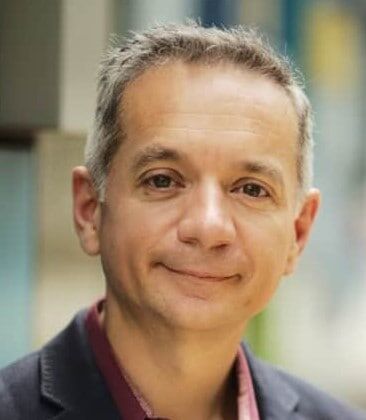
About the author
Brian Thorp
Brian is CEO and founder of Wealthtender and editor-in-chief. He and his wife live in Austin, Texas. With over 25 years of experience in the financial services industry, Brian applies his experience and passion at Wealthtender to help more people enjoy life with less money stress. Learn more about Brian
#financial #advisor #Russian #speaking #Americans