

You may think that installing an aftermarket inline transmission filter will add unnecessary complexity and expense to an otherwise functioning installation, and you’re probably right. Most automatic transmissions have built-in strainer filters to keep the automatic transmission fluid (ATF) fresh and free of contaminants. Tampering with the factory transmission lines to retrofit an inline filter can bring with it annoying problems such as leaks, power restrictions and the need for more maintenance than is necessary – not to mention the costs associated with such a modification.
On the other hand, the rewards can outweigh the risks. Excessive heat is the leading cause of death of most automatic transmissions. Working in harsh conditions with low or contaminated fluid levels is a surefire recipe for overheating, and it’s one of the most common mistakes that can ruin your automatic transmission. If your car’s transmission slips or hesitates to shift, these symptoms are telltale signs of an automatic transmission malfunction, with most problems arising from neglect or forcing the transmission to run on old and degraded fluid.
An inline transmission filter is exactly what it sounds like. It is a filter medium made of cellulose, metal screens or magnetic fibers that adheres to the transmission fluid line. You can think of it as a secondary filter for your vehicle’s ATF, and there’s certainly nothing wrong with keeping the fluid clean if long life, less downtime, and low maintenance costs are what you want from your workhorse.
The fewer microns, the better
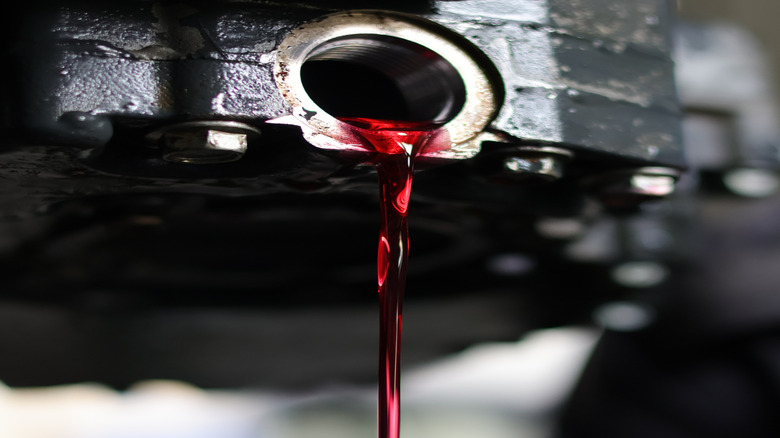
If left unchecked (or not filtered), contaminants in the fluid can damage the internal valves, reducing the efficiency of the transmission. In addition, abrasive particles contribute to increased wear, internal leaks and low pressure in the system, which can cause the clutches to slip and hesitate when engaging or disengaging gears.
Prevention is always better than cure, and installing an inline transmission filter – especially one with magnets and lower micron filtration – can help capture and trap microscopic contaminants before they cause long-term damage. Some inline transmission filters are so good that fleet companies have experienced a significant drop in premature transmission failures and saved hundreds of thousands in repairs and maintenance, all by simply installing an auxiliary transmission filter.
Where you install an inline transmission filter is critical
However, if you have an older installation or are using a rebuilt transmission, it is highly recommended that you install an inline filter on the return line. After that, remember that your new transmission filter is not maintenance-free and is not a replacement for periodic fluid changes. It’s a great idea to inspect and replace the filter every 30,000 to 50,000 miles, and remember to check it more often if you do a lot of driving or towing. Most automatic transmissions require maintenance every 60,000 to 100,000 miles. It may be a wise idea to install an inline transmission filter in vehicles that do a lot of towing and heavy duty work.
#worth #installing #inline #transmission #filter #Jalopnik