

Claude Monet (1840–1926), Parliament Buildings, Sunset, 1904, oil on canvas, 81 x 92 cm, Kunsthaus Zürich, inv. No. 1995/0003 © Kunsthaus Zürich, donation Walter Haefner, 1995
Medici-type torso of Aphrodite, early 2nd century AD, after an early 3rd century BC original, Parian marble © Skulpturensammlung, Staatlichen Kunstsammlungen Dresden (Dresden State Art Collections), photo: Elke Estel/Hans-Peter Klut
Neri di Bicci created large-scale altarpieces and Giambologna created an equestrian statue of Ferdinando de’ Medici, preserving his image for posterity. In addition to such high-profile commissions, there is no shortage of terracotta reliefs and small devotional images for private use, which are decidedly more accessible. A free market emerged in Antwerp in the 16th century where thousands of works were produced and marketed to the general public in the so-called Schilderspanden (painters’ stalls). We would have to wait until the next century before merchant families would trade works of art on a global scale for the first time. During this period, some artists specialized in certain genres, a practice that saved labor by making art accessible to the middle class. But despite this opening of the art market, portraits of Rembrandt or Anthony van Dyck remained the privilege of wealthy collectors. The table “La Galleria di Cornelis van der Geest”a key loan from the Rubens House, portrays the famous spice merchant surrounded by his extensive collection. In the north, the Dutch ‘Golden Age’ brought an unprecedented flourishing of artistic production.
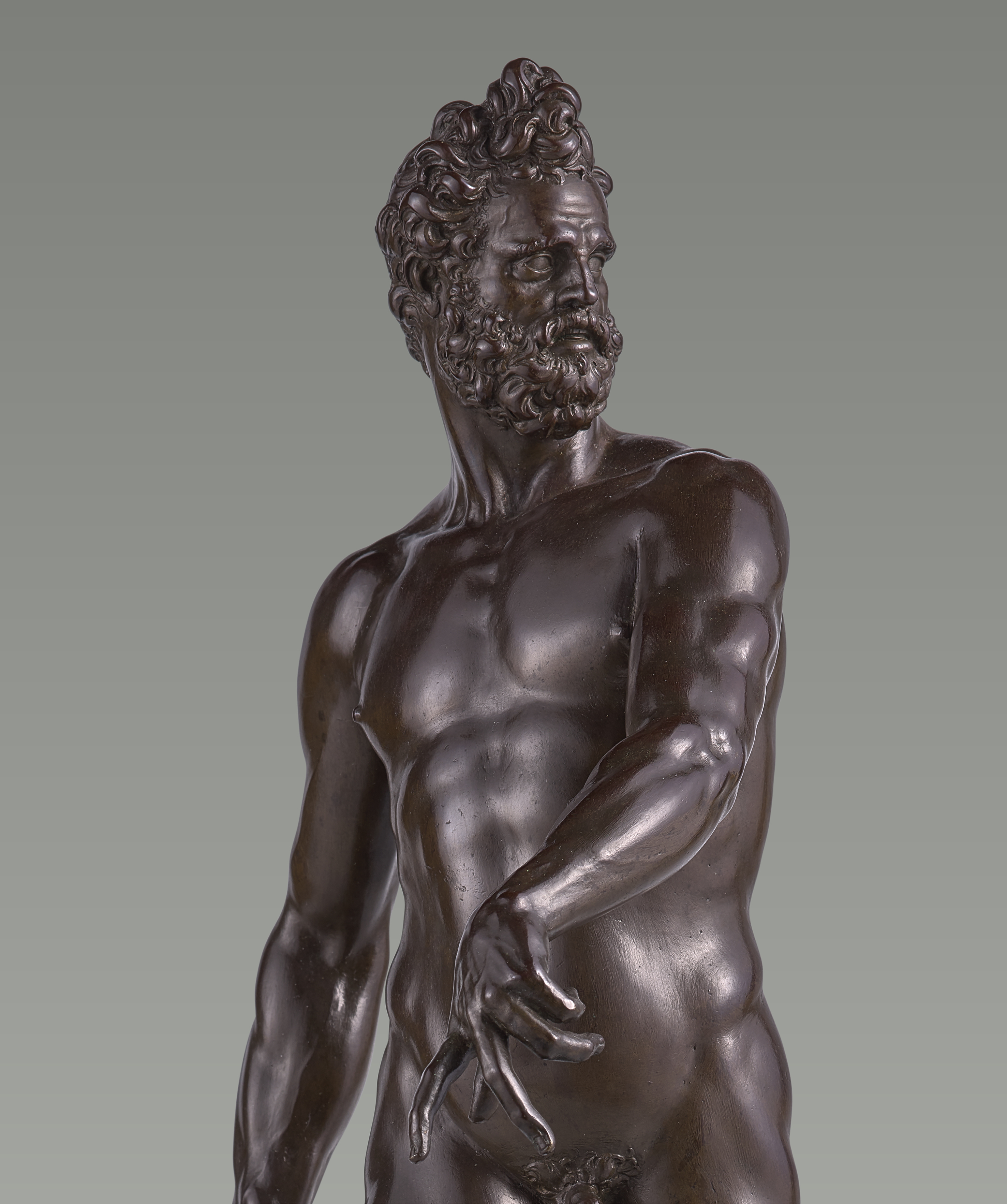
Giambologna, Mars, circa 1570, bronze © LIECHTENSTEIN. The Princely Collections, Vaduz-Vienna
In the exhibition, the story of events, dynamics and characters is entrusted to paintings by Titian, Rembrandt, Monet and Klimt on loan from international collections, and in dialogue with masterpieces from the Princely Collections, such as sculptures by Giambologna and paintings by Brueghel, Van Dyck and Canaletto. The exhibition includes works such as Claude Monet’s “Grainstack, sun in the fog,” from the Minneapolis Institute of Art, along with three other masterpieces by the artist. Instead of “The naked truth” by Gustav Klimt provides an extraordinary example of the innovative sales strategies introduced by the Secession in Vienna at the turn of the 19th and 20th centuries, with elegant exhibitions of works by its members in stark contrast to the academic styles that had previously dominated the 1873 World’s Fair in Vienna.
“Market activity – says Stephan Koja, director of the Princely Collections – is based on the commercial value of works of art, and market demand for certain artists determines their recognition, even among critics. Understanding this dynamic is essential to understanding how artists are valued and sustain their careers.”
The exhibition is free of charge.
#Vienna #exhibition #tells #story #European #art #market #masterpieces #Monet #Klimt #World #Arte.it