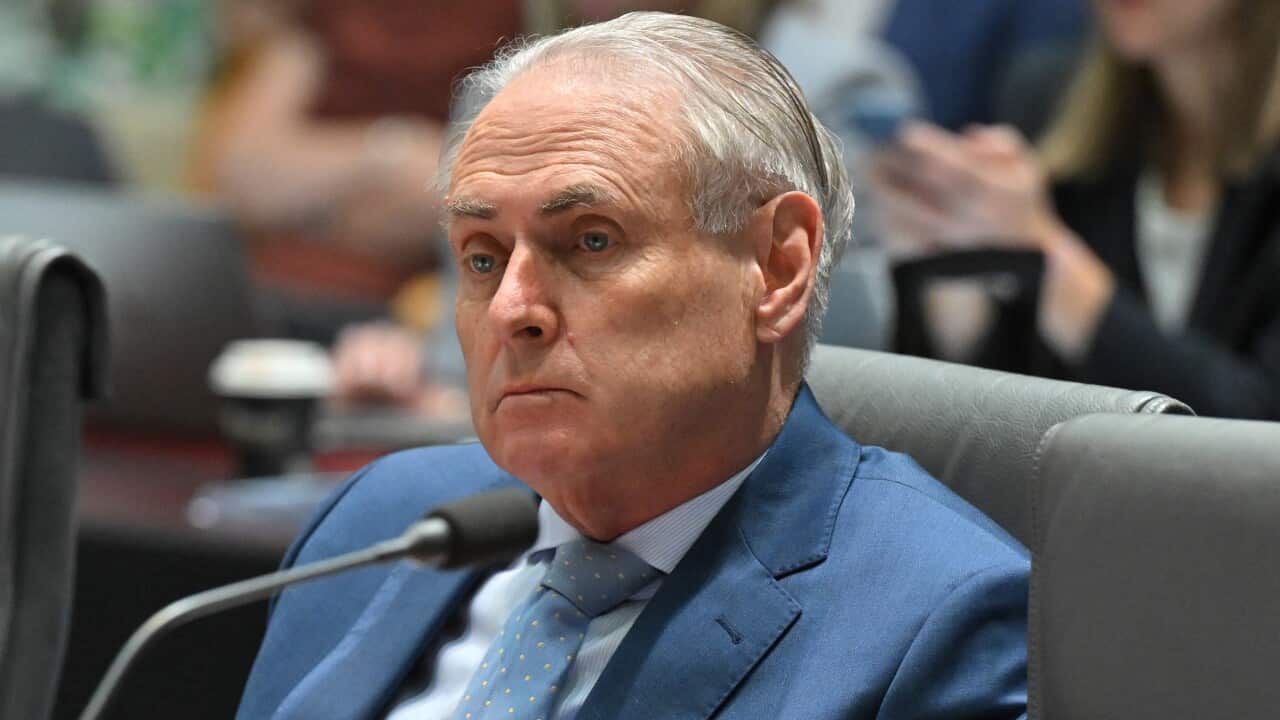

Trade Secretary Don Farrell has said the government is “disappointed” with China’s decision to impose new tariffs on beef imports, with an industry group warning it could damage more than $1 billion worth of trade between the two countries.
China has announced that it will impose additional 55 percent duties over the next three years on some beef imports from countries such as Brazil, Australia and the United States that exceed a certain quantity.
The country also said it would suspend part of a free trade deal with Australia on beef.
“We are disappointed by this decision,” Farrell said in a statement.
“We have made it clear to China that Australian beef does not pose a risk to their beef sector, and that we expect our status as a valued FTA partner to be respected.”
“Our beef is world-class and in high demand, and we will continue to advocate and support our beef industry.”
The Chinese beef import market
China is Australia’s second most lucrative beef export market after the United States.
Under the new rules, Australia faces a quota of around 200,000 tonnes for 2026.
The tariffs follow Chinese beef prices tumbling in recent years, with analysts blaming oversupply and a lack of demand as the world’s second-largest economy has slowed.
At the same time, Chinese beef imports from countries such as Brazil, Argentina and Australia have increased dramatically.
Researchers found that beef imports had damaged China’s domestic industry, Beijing said.
Industry group warns of a hit to the $1 billion sector
The Australian Meat Industry Council said in a statement that the new restrictions have the “potential to reduce Australian beef exports to China by around a third compared to the last 12 months – a trade value of more than A$1 billion”.
Council executive officer Tim Ryan warned the tariffs would have a “severe impact” on trade flows to China and “restrict the ability of Chinese consumers to access safe and reliable Australian beef”.
Tensions began in 2018 when Canberra excluded telecommunications giant Huawei from its 5G network on security grounds and later passed laws on foreign interference.
Then in 2020, Australia called for an international investigation into the origins of COVID-19 – a move that China saw as politically motivated.
Australia has spent much of the past few years trying to shield its vital trade relationship with China – its largest trading partner – from geopolitical headwinds.
#Government #disappointed #Chinese #beef #import #tariffs