

This weekend, tennis star Novak Djokovic is serving snackers something different: a new sorghum-based, corn-free “popcorn” brand called Cob, which will compete in the same aisle as SkinnyPop and Orville Redenbacher’s. The popcorn launch coincides with the announcement of a $5 million seed round for the Djokovic-led startup.
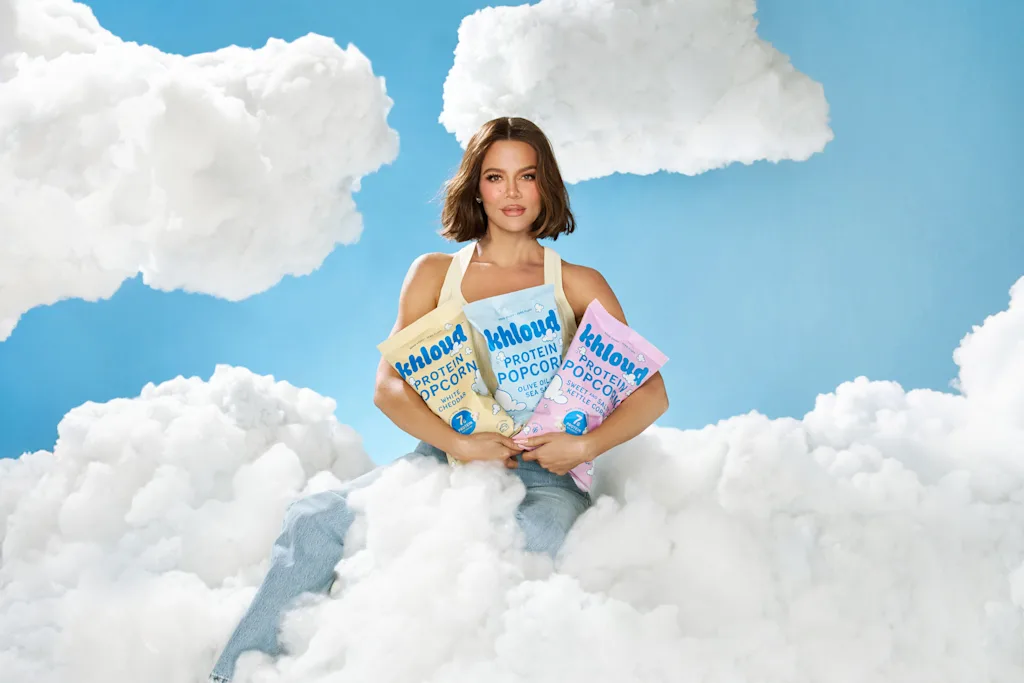
Popcorn has become a particularly attractive category for celebrities in recent years. Newcomers include Khloud Protein Popcorn, endorsed by reality TV star Khloé Kardashian; Boldly Grown Popcorn by singer Luke Bryan; and Rob’s BackStage Popcorn, co-founded by the pop rock band Jonas Brothers.
Why popcorn?
What they’re nibbling at is a growing market that welcomes new brands that promote bolder flavors, avoid canola oil and artificial butter flavors and colors, and include claims of higher protein or lower carbohydrate formulations. The U.S. popcorn market grew 31% to $3.5 billion over the five years through 2024, according to market researcher Mintel, and is expected to be valued at $3.84 billion by 2029.
“I wanted to join the brand as a co-founder and lead the seed round, to give other investors confidence in our vision,” Djokovic said in an emailed statement.
[Photo: Cob]
Cob is a gluten-free snack made from the grain sorghum, which is naturally rich in fiber, iron and vegetable protein. The brand was originally conceived and created by entrepreneur Jessica Davidoff, who was inspired to explore snack alternatives that could be served to her son, who suffers from a corn allergy. “My eyes were opened to how big corn was in the American food system,” Davidoff tells Fast Company.
That led her to visit a local supermarket in New York that promoted international ingredients and tested snacks that could be made in the kitchen and were similar to popcorn, but without the main base ingredient. Davidoff felt that sorghum provided the best flavor of all the alternatives she tested. “It offers this new option for people who really love popcorn but want to take the nutritional component up a notch,” she says.
Cob will be sold directly to consumers through online channels, including the brand’s website, at a price of $59.99 for a 24-pack of 1-ounce, single-serving snacks. The initial launch includes four flavors including Mediterranean Herbs, Olive Oil and Pink Salt. Davidoff says the brand plans to launch more sorghum-based products in the future. Djokovic will serve as an advisor on ingredients, formulations and product line extensions, and will support marketing and future brand collaborations.
A growing trend
Healthier popcorn brands began to emerge as a force in the category after SkinnyPop launched in 2010. The brand’s pitch was that it contained only three ingredients: popcorn, sunflower oil and salt. This streamlined ingredient list resonated with snackers and sales quickly increased. The brand’s parent company, Amplify, was later bought by candy maker Hershey for $1.6 billion in 2017.
Since then, newer popcorn brands have promoted their use of coconut, olive and avocado oils and avoided artificially added butters, which are most commonly associated with microwavable brands. “For people who really enjoy snacking, popcorn contains only 30 calories per cup,” says New York-based dietitian Samantha Cassetty, noting that the calorie count is lower than what’s found in most other crunchy snacks.
Brands like Cob have also promoted their alignment with GLP-1, one of the most exciting new trends in nutrition, as consumers increasingly embrace GLP-1 weight-loss medications like Ozempic and Wegovy. Cob says sorghum is a resistant starch, meaning it can naturally increase the body’s GLP-1, helping a snacker feel full longer. “The entire CPG [consumer packaged goods] companies are looking for ways to target consumers who are snacking less,” says Cassetty.
Kardashian’s Khloud voraciously promotes the nutrition claim of 7 grams of protein per serving, sourced from a milk protein isolate blend. The popcorn brand was created to capitalize on three major trends: protein snacks are growing three times faster than the market, “egg white” is the top trending ingredient among millennials and Gen Z consumers, and popcorn is the fastest growing salty snack category, said Jeff Rubenstein, CEO of Khloud.
 [Photo: Khloud]
For years, protein-rich foods often came in the form of bars and shakes, which were often promoted among gym-obsessed men, Rubenstein says. “We can do this in a more feminine way,” he says, noting that the brand has more vibrant packaging with soft pink and blue. “We can attract a different audience to proteins.”
The brand debuted in April with a 60-day exclusive retail period at Target, and will be sold in January at more than 25,000 stores, including Kroger and Walmart. Rubenstein says Khloud has an authentic founder story with Kardashian: “She had an entire cupboard in her house dedicated solely to snacks. She turned Khloud into a functional snack that is fashionable.”
Djokovic was attracted to the popcorn category because while he prefers home-cooked meals with simple ingredients, the professional athlete travels a lot with a very hectic schedule. “At Cob, we create packaged foods with the same ingredients and recipes we would use in our own kitchens, so people can eat well even when they are away from home,” he says.
Celebrities crave snacks as an investment opportunity because, like the beauty category, they can sell high volumes and generate more stable, repeatable purchasing patterns than clothing or jewelry. Snacks can also generate gross profit margins of 40% for manufacturers, according to Alex Kushnir, a real consumer partner at consultancy Baringa, who notes: “It happens to be one of the more profitable categories in food.”
#Forget #skin #care #tequila #Novak #Djokovic #joined #celebrity #popcorn #boom