

International golf etiquette combines universal golf values – respect, pace of play, care of the course – with cultural norms that reflect the traditions and expectations of each destination. Below is a detailed guide to the essential etiquette every traveling golfer should know before packing up their clubs and heading abroad.
1. Respect for traditions and local customs
The roots of modern golf go back to Scotlandwhere etiquette has long been seen as integral to the spirit of the game. Many countries maintain similarly strong traditions. For example, indoors EnglandGolfers often strictly follow long-standing rules about dress codes and silence during shots. In Japanetiquette becomes almost ceremonial; players bow to the staff, the pace is carefully regulated and punctuality is considered a form of respect.
In some regions, such as Southeast Asia, caddies play a much larger role than in Europe or North America. They can handle everything from club selection to reading greens and even cleaning balls between shots. Understanding – and appreciating – the cultural importance of caddies enhances the entire experience.
2. Dress codes: more important abroad than you might expect

While many American and European resort courses have begun to embrace more relaxed dress codes, numerous international clubs remain stricter. Private clubs in the Great Britain And Ireland often require traditional golf attire, including collared shirts, tailored shorts or pants, and golf shoes. Some even enforce jacket and tie requirements in clubhouses during certain hours.
In Japan And South KoreaGolfers are sometimes expected to put on clubhouse slippers before entering certain areas, and locker room etiquette is taken very seriously. Knowing this in advance will avoid awkward moments.
3. Pace of play standards vary by country

“Ready golf” is widely accepted in the United States and much of continental Europebut elsewhere this is not always the case. In ScotlandPlayers traditionally move smoothly without rushing, maintaining a natural playing rhythm. In Japanthe expectation is often even more structured: start times are accurate to the minute, and some clubs provide a formal break – sometimes an hour – between the front and back nines. This break is common and gives groups time for a quick meal or rest.
Conversely, in parts of the Caribbean or Southern Europe, the pace can feel more relaxed and reflect local cultural rhythms. Still, the universal rule remains: stay close to the group in front of you and avoid unnecessary delays.
4. Communication and courtesy

Golf is one of the few sports where interacting with strangers is often part of the experience. If you are traveling, you may be paired with local players. Basic politeness goes a long way, but it’s worth noting that expectations vary. British golfers tend to appreciate subdued conversations and dry humor as players enter Spain or Portugal can be more expressive and sociable.
In countries where English is not the primary language, learning a few basic phrases – hello, thank you, good shot – can leave a strong positive impression. Gestures such as shaking hands after the round or offering to buy your partners a drink are almost universally appreciated.
5. Course delivery: different standards, same principle

Good care is of universal importance, but techniques and expectations may differ per region. Links courses in the Great Britain And Ireland often have a firmer lawn, meaning divots behave differently than on lush American fairways. In many Asian countries, caddies will repair ball marks and rake bunkers for you, making it your primary responsibility not to cause avoidable damage.
Some countries strictly adhere to a ‘no carts on fairways’ policy, especially where turf conditions are sensitive, such as in parts of Oceania. Others – especially destinations in warm climates – encourage the use of carts to maintain the pace of play and reduce fatigue. Knowing these practical differences helps both the flow and flow of the round.
6. Tipping: A cultural puzzle for many golf travelers

Tipping standards can be confusing because they vary widely throughout the golf world. In the United Statesit is customary to tip caddies generously. In JapanHowever, tipping may be considered inappropriate as service charges are usually included in the price and clubs sometimes even prohibit cash tips. In Southeast Asia, caddies often rely heavily on tips, and not following local tipping etiquette can unintentionally come across as disrespectful.
A quick check of local customs before your trip – online or by asking the club directly – will avoid misunderstandings.
7. Clubhouse etiquette: often stricter abroad
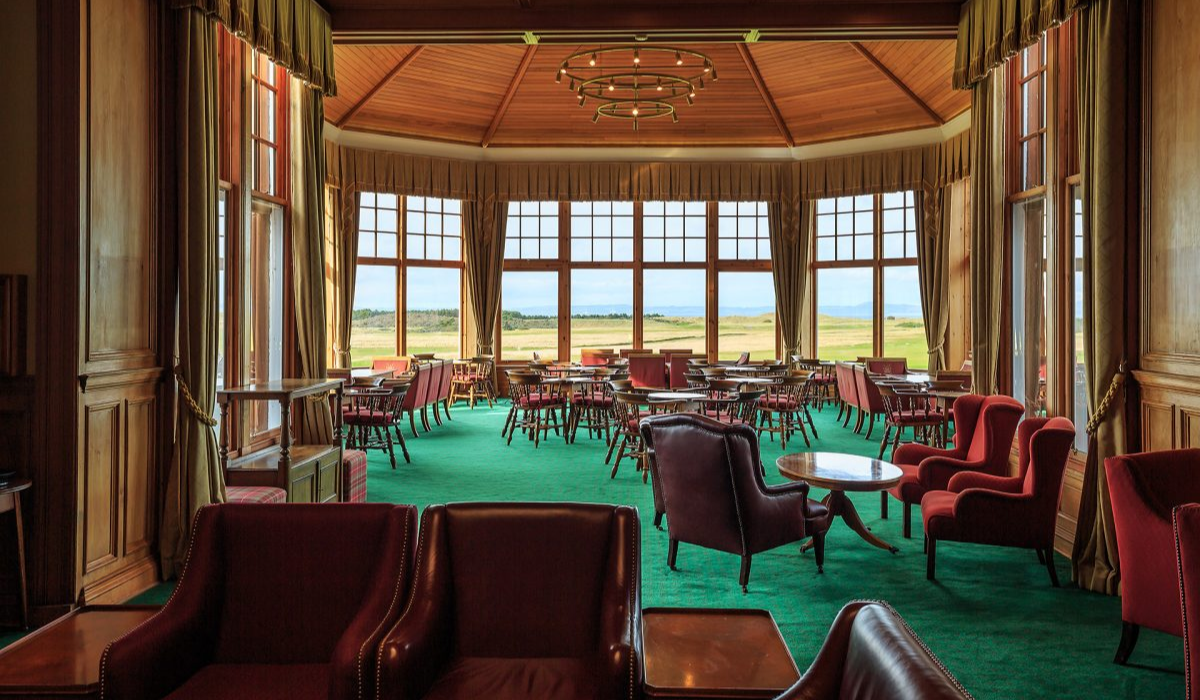
Although North American clubhouses are generally fairly relaxed, many international clubs have formal codes of conduct. Silence in dining areas, specific dress standards, and traditions such as removing hats indoors are common expectations in the world Great Britain, Japanand parts of continental Europe.
Photography rules can also differ. Some prestigious private clubs – especially in the Great Britain And Japan — consider photography on site inappropriate and may ban it altogether.
If you’re unsure, simply observe others or ask a staff member to help you fit comfortably within local expectations.
8. Environmental etiquette and sustainability
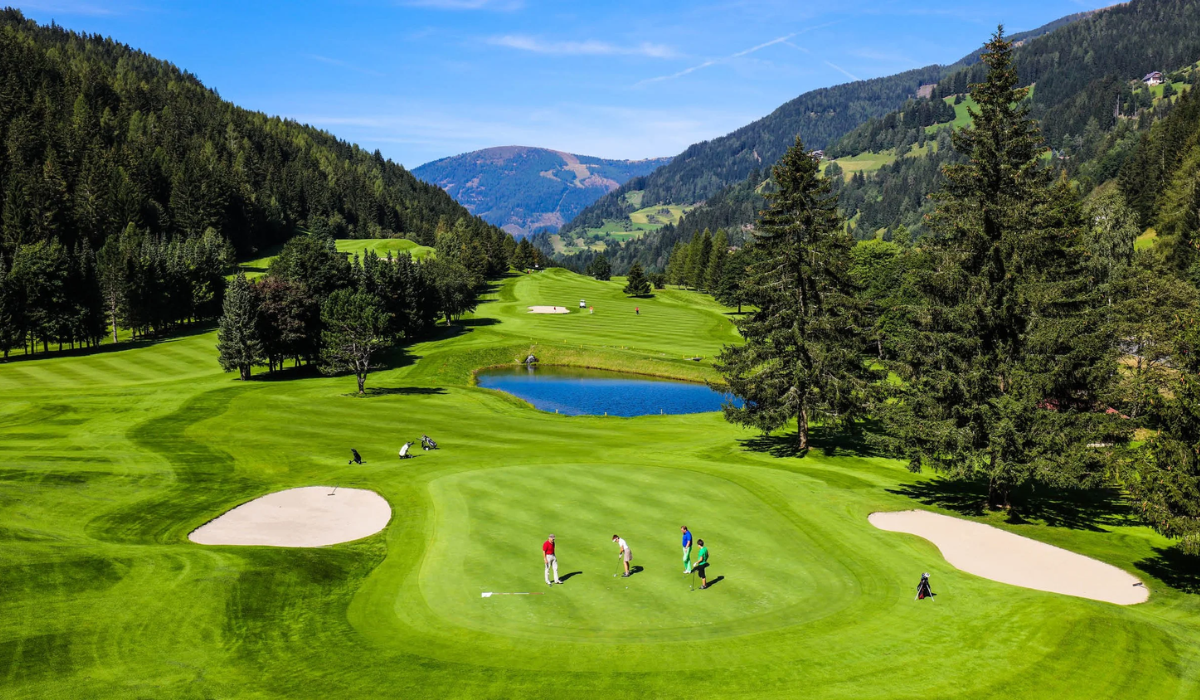
Golf destinations around the world are placing increasing emphasis on sustainability, and players are expected to participate. Scandinavian courses often pride themselves on organic management techniques, and visitors are encouraged to respect nature zones and follow signage carefully. Alpine courses in Switzerland or Austria can limit the use of carts to protect fragile mountain ecosystems.
In Australiawhere native animals often roam freely on the fairways, animal interaction is discouraged for the safety of both players and animals. Respect for the environment has become as much a part of etiquette as it is part of the pace of play.
9. Handle cultural misunderstandings with grace

Even the most prepared golfers can encounter cultural differences that catch them off guard. The most important thing is to show humility and a willingness to adapt. When someone corrects you, responding with appreciation instead of defensiveness turns the moment into a positive exchange. Locals are usually happy to guide an interested visitor and often go out of their way to help once they see an effort being made.
Final thoughts
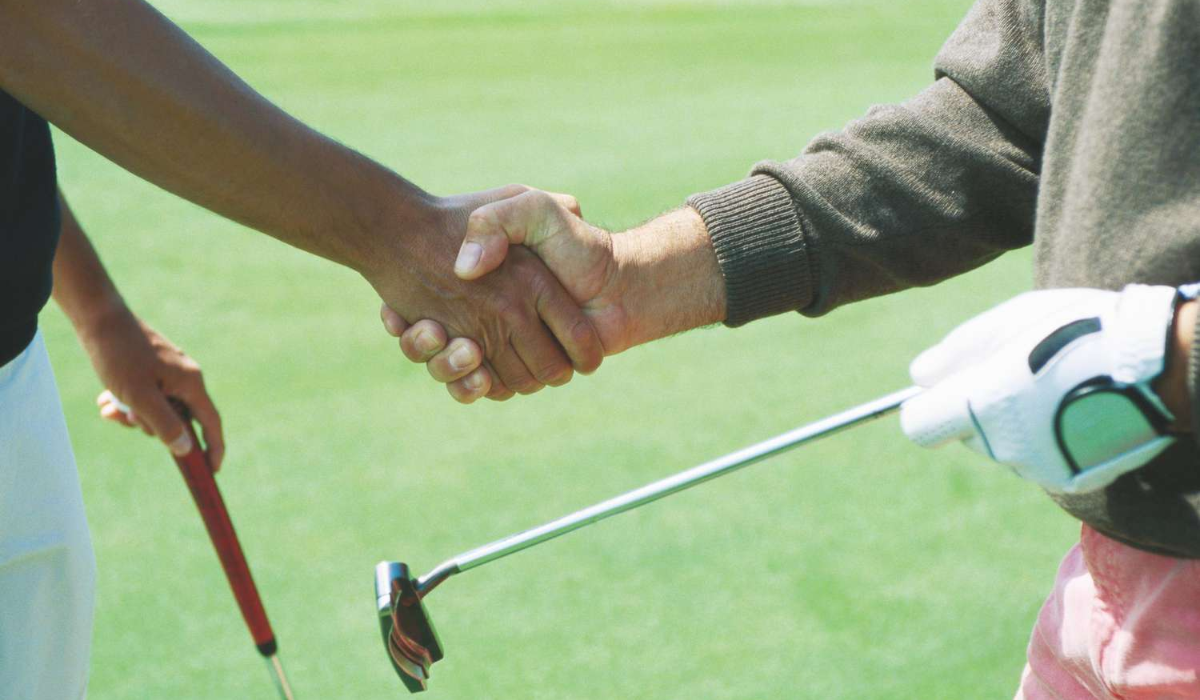
International golf etiquette is about more than just rules; it’s about embracing the culture of the game wherever it’s played. Each country adds its own flavor: its own rhythms, traditions and unwritten codes of conduct. By learning these nuances, travelers not only improve their golf experience, but also their connection with fellow players around the world.
Global play becomes an adventure, not only in landscapes and course design, but also in people, customs and shared respect for the game. Every round becomes richer, every destination more memorable and every tee shot a little more meaningful.
Renting versus bringing your own golf clubs: which is best?
Europe’s most photogenic golf holes
#Essential #Etiquette #International #Golf #Square #Blog