Discounts on energy bills are being abolished in the ‘shift’ in the cost of living

Discounts on energy bills are being abolished in the ‘shift’ in the cost of living

3 minutes, 36 seconds Read

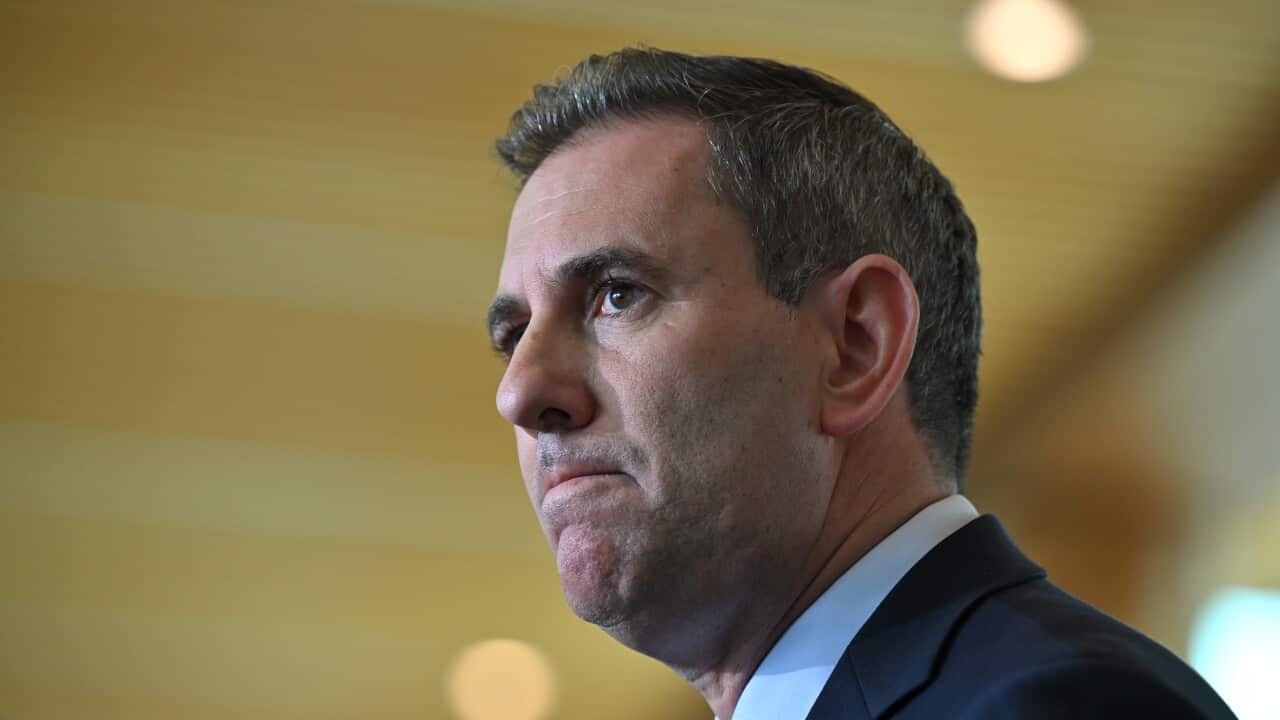
Treasurer Jim Chalmers has announced that the federal government will not provide another round of energy bill rebates.
Speaking in Canberra ahead of the upcoming mid-year budget update on Monday, Chalmers said the rebate scheme would not be extended beyond the end of this year.
“This marks a shift in how we alleviate the cost of living,” he said. “This is a shift from temporary measures, first decided when inflation was approaching 8 percent, to ongoing cost-of-living assistance.”
He argued that changes to the tax system, as well as to Medicare and the Pharmaceutical Benefits Scheme, would provide more permanent relief.

“People can use that to pay their electricity bills or meet other cost of living pressures,” he said of the tax cuts. “This was not an easy decision, but it is the right decision.”

“There is more than one way to alleviate the cost of living that people still need in their household budgets.”
All households and many small businesses received $300 in support in the 2024 budget, paid out quarterly. A $150 extension for the second half of 2025 was announced prior to the election.

Chalmers has now ruled out a fourth round, saying the government had been “honest with the people and said these would never become a permanent part of the budget”.

Labor introduced tax cuts in July 2024, with further rate cuts planned from July 1, 2026 and July 1, 2027. In March, the government said the combined effect of these changes would see the average tax cut in 2026-2027 be around $43 per week.

“Round two isn’t that far away,” Chalmers said.

The opposition responds

In a joint statement, Opposition Treasury spokesman Ted O’Brien and Treasury spokesman James Paterson said: “Labour’s decision to end household energy bill relief exposes the Albanian government’s cost-of-living, energy policy and budget disasters for all to see.”
‘The Albanian government has already seen the sharpest decline in living standards in the developed world, and all signs point to further cost of living in the coming year.
“The Coalition understands that we need to tackle the root causes of Labour’s energy bill crisis.
“That’s why the Coalition is offering an alternative energy plan that prioritizes affordable and reliable energy. Our emissions reduction targets will never come at the expense of Australian families, and this principle will guide every decision we make.”
The coalition has revealed that energy policy last month after both the Nationals and Liberals dumped net zero pledges by 2025 from their platforms.

Australians are feeling the pressure as energy prices rise

Many Australians are feeling the pressure as electricity prices drive up inflation.
Inflation data released last month showed electricity prices had risen 37 percent over the past year, with the Australian Bureau of Statistics noting the increase was mainly driven by state government rebates used up by households.

In July, Energy Consumers Australia found in a report that one in five Australian households are struggling to pay their energy bills, with renters disproportionately affected.

David Stuart runs a paint company on Sydney’s northern beaches. Last month he told SBS News that he had spent $24,000 a year on electricity before investing in renewable energy.

“We took the plunge. We went solar and got a bank loan to do it,” he said. “That bank loan has now been paid off. Our energy bill is now negative.”

What to do about high energy bills?

Sally Tindall, director of data insights at financial comparison website Canstar, said millions of Australians are paying too much for utilities simply because they haven’t checked the competition for a while.

“Our research shows that switching from an average-priced plan to one of the lowest on the market can save an average household up to $406 a year in some areas, and even more for larger households,” she told SBS News earlier this year.

Consumers can also speak to energy suppliers and ask what support is available to pay bills. Legally, retailers must indicate whether a better offer is available.
As Australians head into a hot summer, there are different ways to stay cool while reducing energy costs – such as running the dishwasher and washing machine during off-peak hours, and using the oven only during cooler times of the day.
The CSIRO recommends setting your air conditioning temperature between 24 and 25 degrees Celsius, noting that for every degree you lower the temperature, costs can increase by 10 percent.

#Discounts #energy #bills #abolished #shift #cost #living

Similar Posts

Leave a Reply

Your email address will not be published. Required fields are marked *