

This article may contain references to products or services from one or more of our advertisers or partners. We may receive compensation when you click on links to those products or services. Nevertheless, our opinions are our own.
The information in this article is accurate to the best of our knowledge at the time of publication. However, information is subject to change and no guarantees are made as to the continued accuracy or completeness of this content after the date of publication.

Introduction
Credit reports and credit scores are crucial tools for managing personal finances. A credit report provides a detailed history of loans, while a credit score summarizes creditworthiness in one number. Understanding these concepts helps maintain financial health and access favorable loan terms.
Highlights
- A credit report is a detailed record of your credit history, while a credit score is a numerical representation of your creditworthiness.
- Lenders, insurers and employers can review your credit report and give it a score to assess its financial reliability.
- Checking your credit report regularly can help you identify errors, prevent fraud, and improve your credit score.
- Factors such as payment history, credit utilization and account age significantly impact your credit score.
Credit reports and credit scores explained
A credit report is a comprehensive document that details credit accounts, payment history, and public records such as bankruptcies. It is maintained by credit bureaus and allows lenders to assess your creditworthiness.
A credit score is a three-digit number, typically ranging from 300 to 850, derived from the credit report. Higher scores indicate lower risk to lenders, often resulting in better lending terms.
Credit Report vs. Credit Score
| Function | Credit report | Credit score |
|---|---|---|
| Goal | Detailed overview of credit history | Numerical representation of creditworthiness |
| Usage | Evaluated by lenders to assess financial risk | Determines the loan terms and interest rates |
| Contents | Including accounts, payment history, questions | Ranges from 300 to 850 |
How your credit report affects your credit score
Your credit score is affected by the information in your credit report. Each factor contributes differently:
| Factor | Impact on the score |
|---|---|
| Payment history | 35% |
| Credit utilization | 30% |
| Length of credit history | 15% |
| New credit applications | 10% |
| Types of credit used | 10% |
On-time payments, low credit utilization, and a long credit history positively impact your score, while multiple inquiries and missed payments can lower it.
Factors that affect your credit score
- Payment history: On-time payments increase your score, while missed payments negatively impact it.
- Credit utilization ratio: It is recommended to use less than 30% of available credit.
- Length of credit history: A longer history generally improves scores.
- Types of credits used: A mix of credit accounts demonstrates responsible lending.
- New credit applications: Multiple applications in a short period may indicate a financial risk.
The importance of checking your credit report regularly
Monitoring your credit report helps you maintain financial control by:
- Detect errors: Identify errors, outdated information, or identity theft that could negatively impact your score.
- Monitoring credit changes: Understand how your actions affect your credit status.
- To improve your score: Correct inaccuracies and manage credit responsibly.
| Account type | Status | Action needed |
|---|---|---|
| Credit card | On time | No |
| Loan | Missed payment | Contact lender |
Tips for Maintaining a Healthy Credit Score
- Make timely payments: Automate invoices or set reminders.
- Keep credit utilization low: Try to use less than 30% of available credit.
- Limit new credit applications: Each question lowers your score slightly.
- Check your credit report regularly: Identify and dispute errors immediately.
- Provide a mix of credit types: Use credit cards, loans and other accounts responsibly.
| Factor | Impact on the score |
|---|---|
| Payment history | 35% |
| Credit utilization | 30% |
| Length of credit history | 15% |
| Credit mix | 10% |
| New credit applications | 10% |
Take control of your financial future
Understanding the differences between a credit report and a credit score can help you make better financial decisions.
Elements in a credit report:
- Personal information: Name, address, citizen service number, employment history.
- Credit accounts: Details of credit cards, loans and payment history.
- Payment history: Registration of on-time and late payments.
- Public records: Bankruptcies, judgments or liens.
Credit score ranges
| Scoring range | Judgement |
|---|---|
| 800 – 850 | Excellent |
| 740 – 799 | Very good |
| 670 – 739 | Good |
| 580 – 669 | Honestly |
| 300 – 579 | Arm |
Regular monitoring and responsible credit management help achieve financial stability and access better credit options.
Frequently asked questions
What is a credit report?
A credit report is a detailed record of your financial history, including personal information, credit accounts, payment history, and public records such as bankruptcies. It is maintained by credit bureaus and assessed by lenders.
What is a credit score?
A credit score is a numerical rating derived from your credit report, ranging from 300 to 850. It helps lenders assess the likelihood of repaying debts.
Why are credit reports and credit scores important?
They influence loan approvals, rental applications and employment. A higher score generally results in better loan terms and lower interest rates.
How often should I check my credit report?
Credit reports can be checked once a year for free at any major credit bureau. Regular reviews help identify errors and prevent fraud.
What causes fluctuations in my credit score?
Changes in payment history, outstanding debts, length of credit history, new applications, and credit account mix can cause score variations.
How can I improve my credit score?
Pay bills on time, keep balances low, avoid unnecessary new accounts, and check your credit report regularly for errors.
Do credit scores differ between bureaus?
Yes, each agency may use different data and scoring models, leading to variations in reported scores.
How do I dispute an error on my credit report?
Submit a dispute to the issuing agency along with supporting documentation. The agency must investigate and correct inaccuracies.
Final thoughts
Regular monitoring of credit reports and scores, combined with responsible credit management, is essential for maintaining financial health. Understanding these tools allows for better lending decisions and long-term financial stability.

Reviewed and edited by Albert Fang.
Spot a typo or would like to suggest an edit/revision to the content? Use the contact form to provide feedback.
At FangWallet, we value editorial integrity and open collaboration in curating quality content for readers to enjoy. Much appreciated for the help.
Did you find our article fun and enlightening? We encourage you to share the article link with family and friends so they can benefit from it too – better yet, share it on social media. Thanks for the support! 🍉
Article title: Credit Report vs. Credit Score: Which One Should You Check?
https://fangwallet.com/2025/11/13/credit-report-vs-credit-score-which-one-should-you-monitor/The FangWallet Promise
FangWallet is an editorially independent resource – based on breaking down challenging financial concepts for everyone to understand since 2014. While we are committed to editorial integrity, please note that this post may contain references to products from our partners.
FangWallet’s promise is to always have your best interests in mind and be transparent and honest about the financial picture.
Become an insider
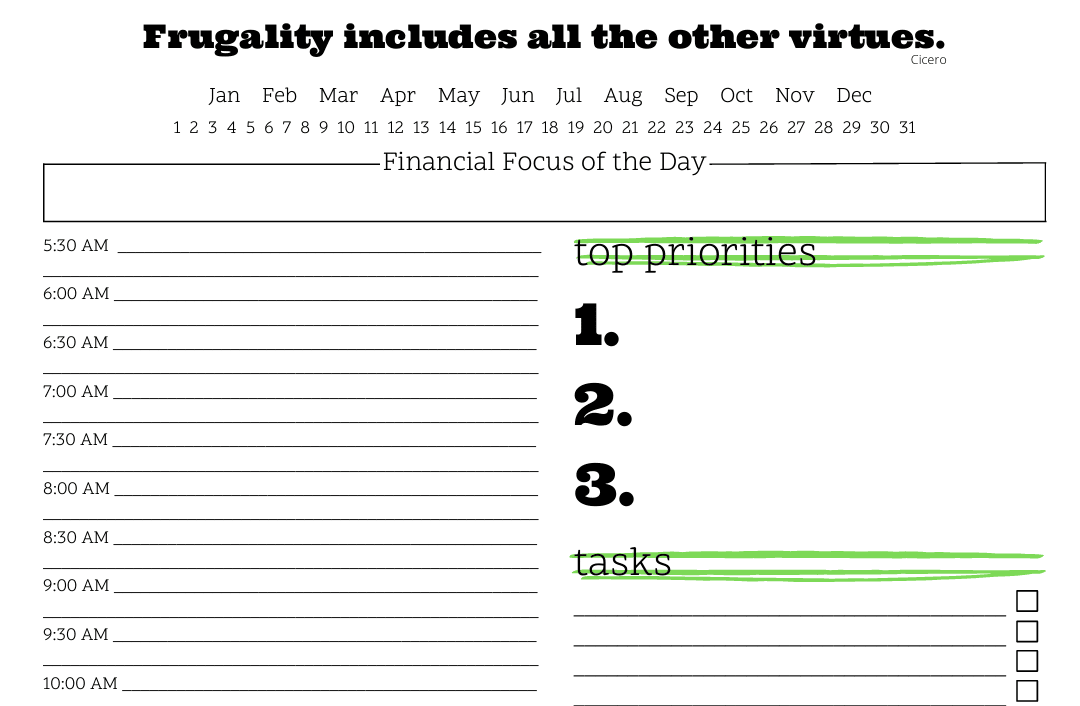
Sign up to receive a free printable daily budget planner so you can get your money on track!
Earn passive money the right way. No spam.
Editorial disclaimer: The editorial content on this page does not come from any of the companies mentioned. The opinions expressed here are solely those of the author.
The content of this website is for informational purposes only and does not represent investment advice, or an offer or solicitation to buy or sell any security, investment or product. Investors are encouraged to conduct their own due diligence and, if necessary, seek professional advice before making any investment decisions. Investing involves a high degree of risk, and financial losses may occur, including the potential loss of principal.
Advertiser Disclosure: This article may contain references to products or services from one or more of our advertisers or partners. We may receive compensation when you click on links to those products or services.
Write for us
Source Citation References:
+ Insp
There are currently no additional citations or references for this article.
#Credit #Report #Credit #Score #Check #FangWallet