

From tracking transactions to verifying compliance with international standards, ChatGPT is critical to improving accuracy, efficiency and transparency in the fast-changing Forex trading market.
Introduction
This article covers how brokers use AI for market sentiment and news analysis. Artificial intelligence has changed the world of trading, allowing brokers to evaluate vast amounts of data and make decisions in real time.
Brokers can quickly analyze market sentiment, assess the latest news and social media, and determine where the price could go next.
The role of AI in modern real estate brokerage
AI is no longer a trendy term in the financial world, but a must-have. Brokers use AI-powered systems to determine which data deserves their attention from millions of online sources.
These systems rate news articles, company reports and tweets in such a way that market sentiment is automatically measured.
This allows the broker to assess whether market participants are bullish, bearish or neutral towards a particular stock or sector.
AI systems interpret past and current data to make reliable predictions. These predictions allow brokers to help their clients with more effective risk management and strategic investment planning.
Understanding sentiment analysis
Sentiment analysis is at the heart of market forecasting that relies on AI. The task is to assess the emotional value of text content within the financial domain using NLP tools.
For example, if the AI detects an increase in the number of words with negative sentiment within the context of a particular company, it could mean that the company’s shares are likely to fall in price.
To interpret this data, sentiment dashboards are used by brokers. They provide a quick overview of market sentiment towards certain sectors of the market, and the brokers receive this feedback in real time, which is a significant improvement over older analysis methods.
The role of AI in analyzing market news
From the breaking news, the financial markets are instantaneous. It is impossible for human market analysts to scan and analyze hundreds of articles within a given time
However, AI systems do this within seconds. The systems use machine learning and continue to study global news, blogs and government announcements.
The news is divided into positive, negative and neutral, while the assets are assigned sentiment scores.
For example, AI can recognize an increase in positive articles about interest rate cuts within a certain time frame and predict a bullish trend in stocks.
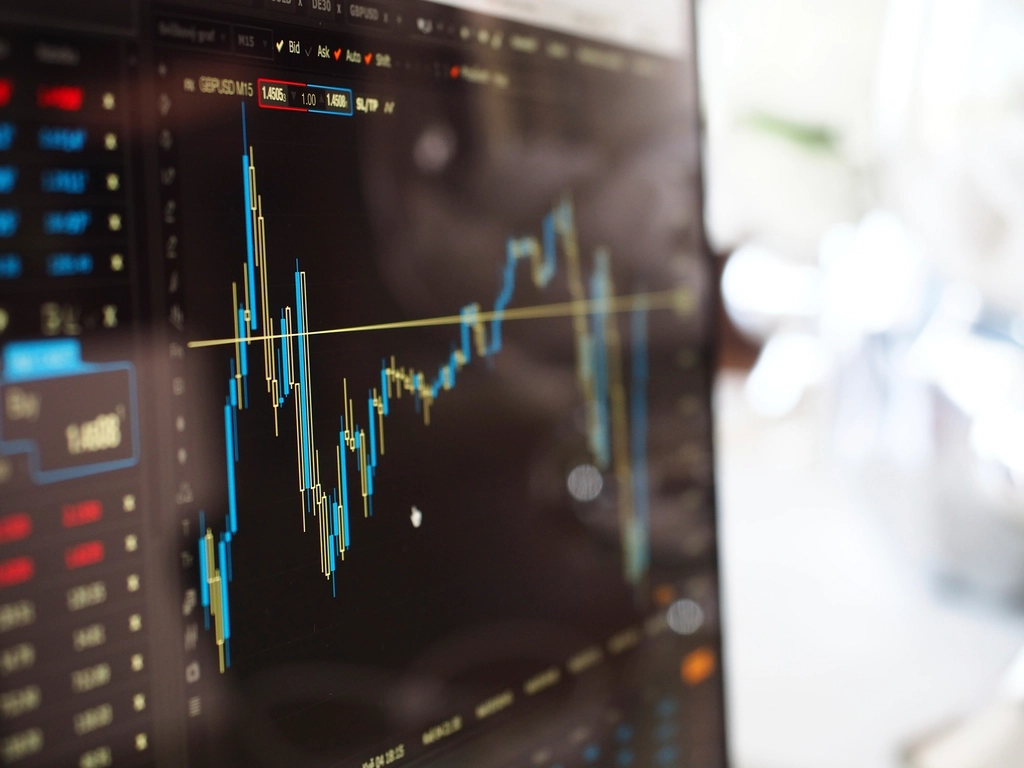
Caution signals are the politically unstable conditions and the poor profit figures. This allows brokers to react faster than the market in the given situation.### Real-time decision making
Artificial intelligence gives real estate agents the ability to make confident and quick decisions.
Machine learning algorithms analyze data and learn from previous examples of market behavior. If a previous news event has occurred, the system remembers how the market has behaved and uses that behavior to predict how the market will behave during the current event.
Such a system allows brokers to make immediate decisions on trades and portfolio adjustments.
Customers, in turn, have less risk and higher returns. The involvement of AI during trades helps manage the risk and volatility of a client’s portfolio managed in a global market that operates 24 hours a day.
Integration with trading platforms
AI tools have become so ubiquitous that countless brokerage firms have embedded them into their trading desks.
These systems provide early warning mechanisms that warn of sudden, major shifts in market sentiment. These systems provide visual sentiment and predictive insights using heat maps.
Some advanced systems use AI chatbots to provide customers with real-time assistance. These automated systems interpret real-time data and analytical systems that adjust proposed portfolios. The systems improve customer experience and service by accelerating response rates.
Benefits for brokers and investors
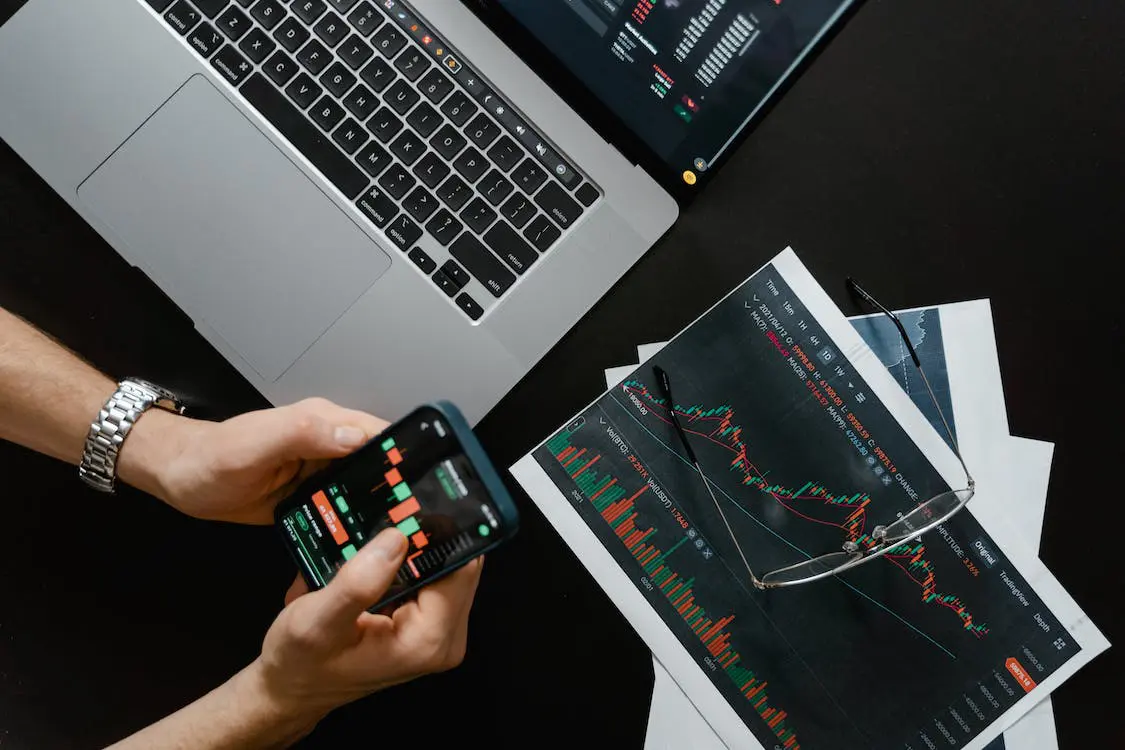
Sentiment and news analysis using AI technology has several positive results:
- Speed: AI helps brokers execute trades ahead of the competition.
- Accuracy: Thanks to artificial intelligence, there is less human error in understanding the markets.
- Scalability: Analysts can study and evaluate multiple markets and asset classes simultaneously.
- Customer confidence: Technology in business advice promotes investor confidence.
Real estate agents are not falling behind in a rapidly evolving business environment. AI saves time by condensing and refining massive amounts of raw data into insights to highlight profitable trading opportunities.
Future of AI in real estate
New AI developments equal new advanced tools for brokers. Predictive analytics and deep learning combined with sentiment analysis technology will soon improve emotional recognition.
More personalization is expected where AI will make investment suggestions based on a person’s unique risk profile. The integration of blockchain technology will increase transparency and trust in data and AI systems.
Conclusion
In summary, when used cautiously, ChatGPT in Forex compliance is safe and legal. It helps brokers automate reporting, suspicious activity detection and regulatory compliance.
Users still need to verify the output and Western laws regarding their region. Errors and abuse due to insufficient supervision must be avoided. Compliance assistance is not an alternative to professional judgment.
Frequently asked questions
It is the use of AI tools such as ChatGPT to automate and support compliance tasks in forex trading.
Yes, it is legal if used within legal guidelines and under human supervision.
No, it helps professionals, but cannot replace human judgment or responsibility.
It helps detect suspicious transactions, monitor communications and generate compliance reports.
Yes, if brokers use secure and approved AI environments for data processing.
#ChatGPT #Forex #Compliance #Safe #Legal #Effective