

Artemisia Gentileschi, Saint Cecilia, circa 1645-50. Oil on canvas. Sarasota, The State Art Museum of Florida, bequest of John Ringling
Jusepe de Ribera, Maddalena Ventura with her husband and son (Bearded Woman), 1631. Oil on canvas. Fundación Casa Ducal de Medinaceli, Seville, in storage in Madrid, Museo Nacional del Prado
Returning to the artists, the first ‘female’ works documented in Naples actually bear the signature of two ‘foreign’ painters: the Bolognese Lavinia Fontanawhich opens the exhibition, and the Milanese one Believe Galiciaappreciated by the Neapolitan public for its meticulous, elegant and detailed style, comparable to the Flemish painting in vogue in the city.
Thoroughbred Neapolitan instead Diana Di Rosaknown by the nickname of Annella di Massimowhose fame as an artist – as in the case of Gentileschi – has long been overshadowed a dark legend. The exhibition does it justice by restoring its true historical dimension: his painting of is not to be missed Saint Cecilia and an angelrecently found and exceptionally loaned by the Museum of Fine Arts, Boston.
The daughter and sister of artists, Diana quickly emerged as the most important Neapolitan painter of the seventeenth century, author of refined canvases that were at once full of naturalistic power and notable for their ingenuity and narrative flavor. His adventure in art is intertwined with that of Massimo Stanzioneone of the most admired masters in seventeenth-century Naples, and Agostino Beltrano, her workshop partner and later husband. A myth that was widespread until the twentieth century and later proved to be unfounded attributes the painter’s premature death to a uxoricide: according to this version, the husband, blinded by jealousy over a suspected affair with Stanzione, stabbed her to death.
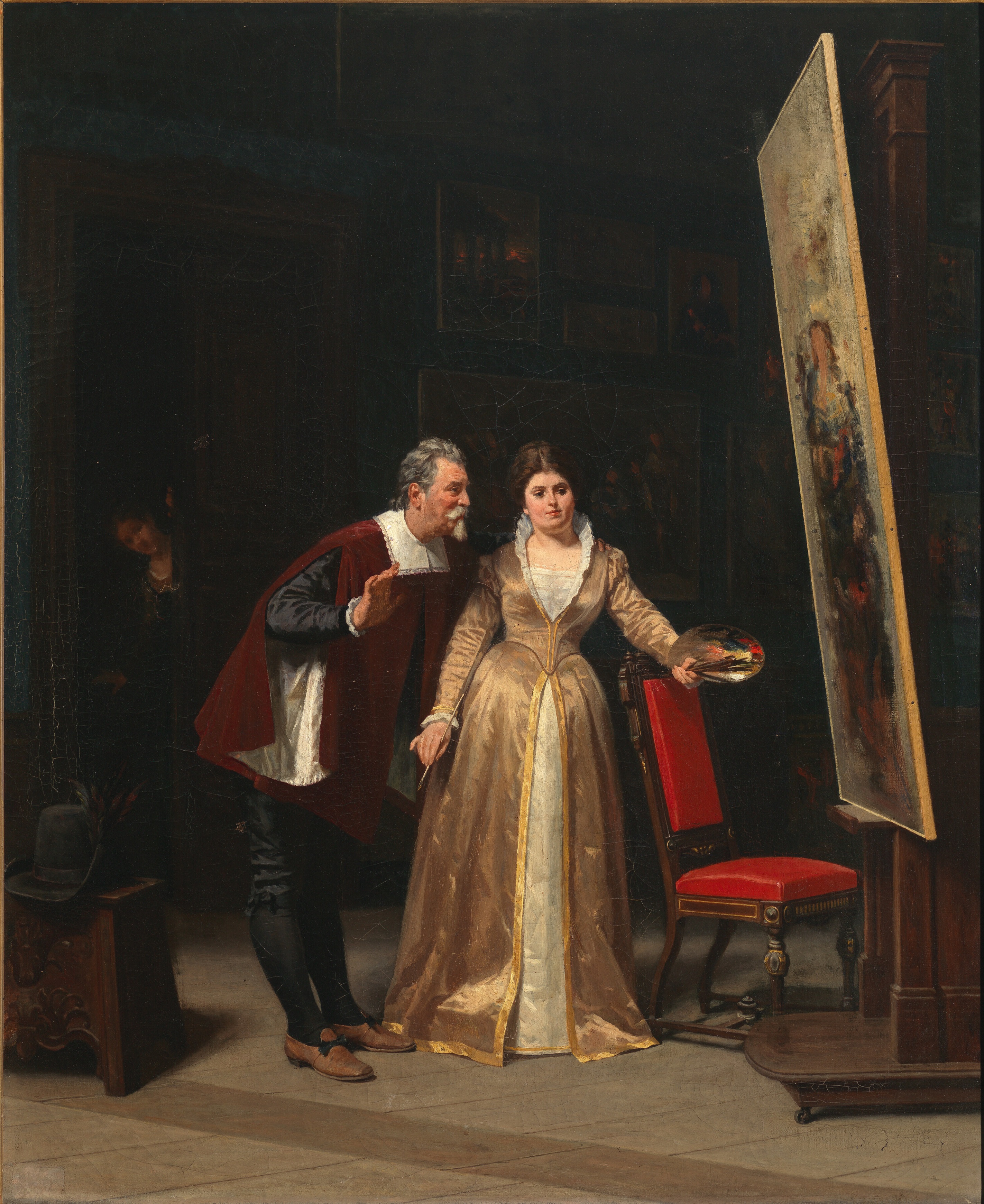
Giuseppe Tramontano, In the master’s studio: Diana Di Rosa and Massimo Stanzione spied by a servant, 1877. Oil on canvas. Intesa Sanpaolo collection. Photo Luciano Pedicini, Naples
Diana is just one of the talents to be discovered in the resulting Gallerie d’Italia project a remarkable research effort: her contemporaries are the enlightener Teresa Del Pothe ceroplast Catherine of Julianisthe Andalusian sculptor Luisa Roldanbut also the famous Spanish singer, harp and guitarist Andrea Basilethis drawer “Mermaid of Posillipo”: sister of the writer Giovan Battista (the author of In the city of signals), Andreana was contested by the main Italian and European courts; Artemisia dedicated a painting to her that is now lost, but in the exhibition we will still be able to get to know her thanks to three other portraits.
“The Gallerie d’Italia concludes the year’s programming with a precious exhibition, a project of rediscovery of artists and extraordinary works, the result of new studies, supported by the best curators, accompanied by research in the archives and restorations, enriched by exceptional loans thanks to the dialogue with important institutions in the country and the world,” he says. Michel CoppolaExecutive Director of Arts, Culture and Beni Storage Storage and Directors of Italy of Italy: “Another seventeenth century is an initiative of international prestige that is based on an in-depth analysis of an important chapter in the artistic history of Naples, and once again underlines the reference role of the Gallerie d’Italia in the promotion of Italian cultural heritage. This exhibition, together with our beautiful Caravaggio and the collections housed in the museum in Via Toledo, is, in my opinion, an unmissable event for those visiting Naples during the Christmas holidays. 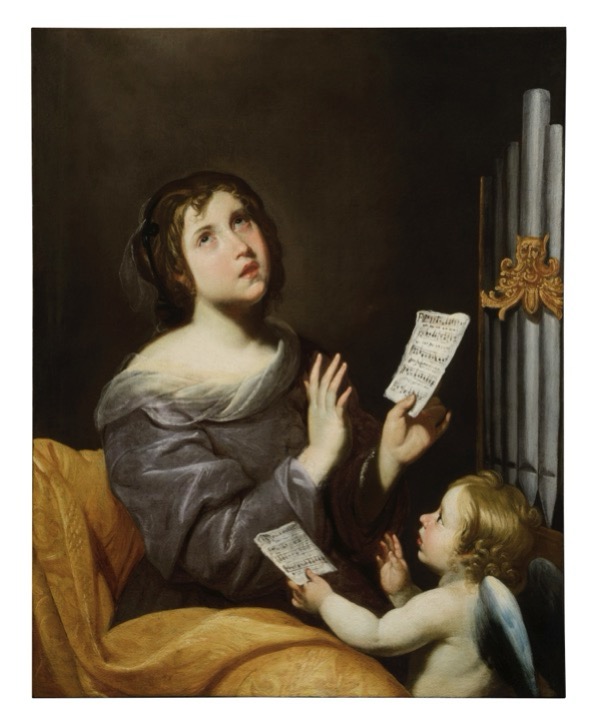
Diana Di Rosa, Saint Cecilia and an Angel, circa 1634-35. Oil on canvas. Boston, Museum of Fine Arts
#seventeenth #century #women #artists #Caravaggios #Naples #Naples #Arte.it