

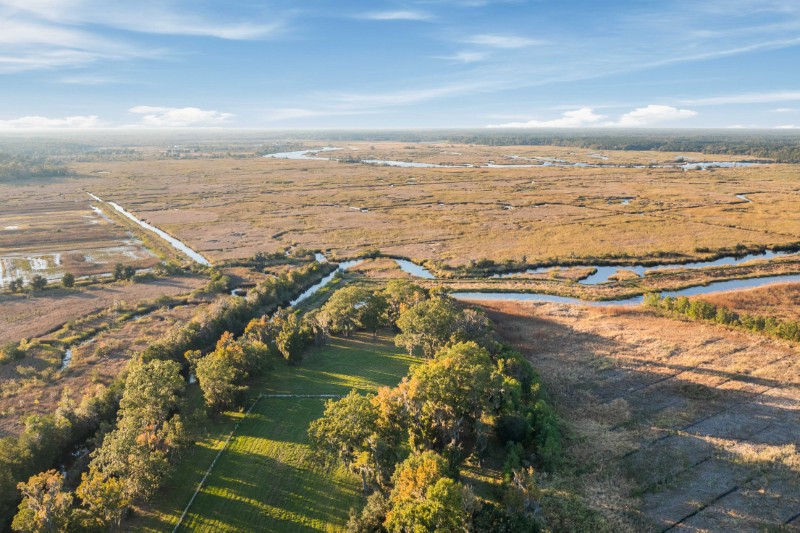
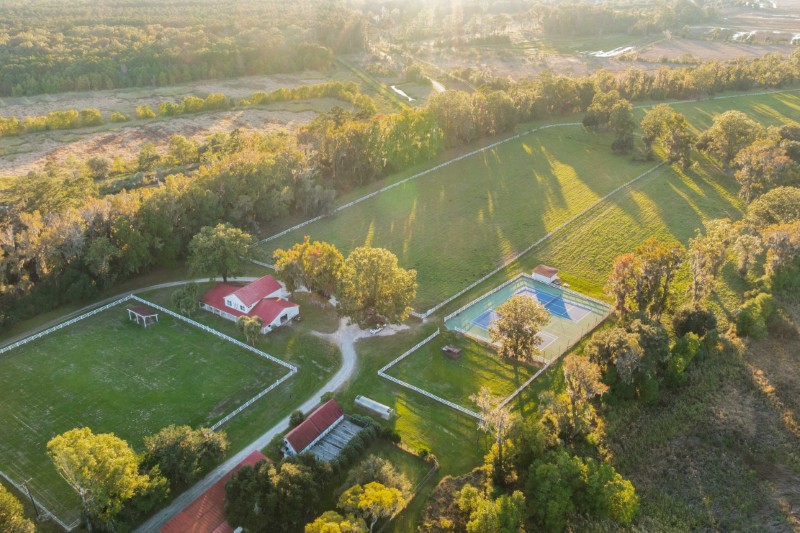
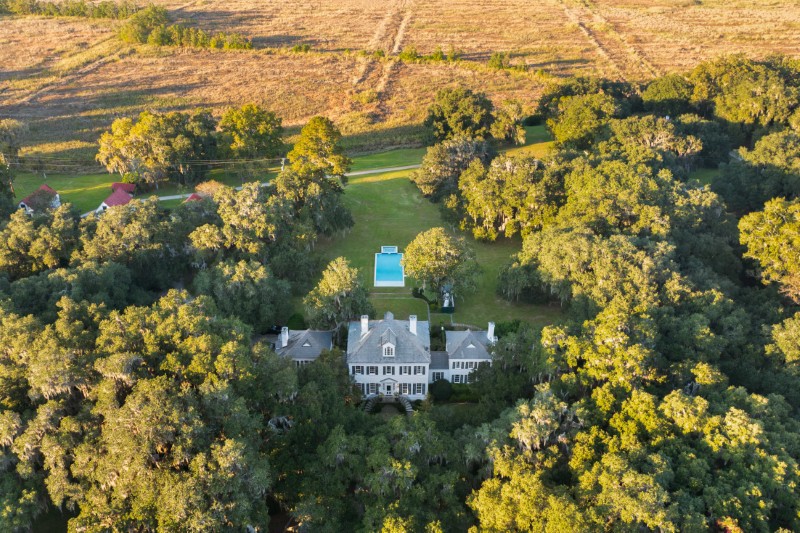
Spanning 86 hectares along the banks of the Combahee River, the property occupies land once shaped by the rice plantation era and now reimagined as a fully realized private estate, carefully layered with residential, recreational and work space.
What makes Bonny Hall so special is not only its size, but also how carefully the land is organized.
Instead of a single large house surrounded by open grounds, the estate unfolds as a complex. Modern conveniences are everywhere, yet they are quietly nestled in a setting defined by ancient oak trees, marsh vistas and long, uninterrupted sightlines.
Located along the Combahee River in the heart of the lowlands
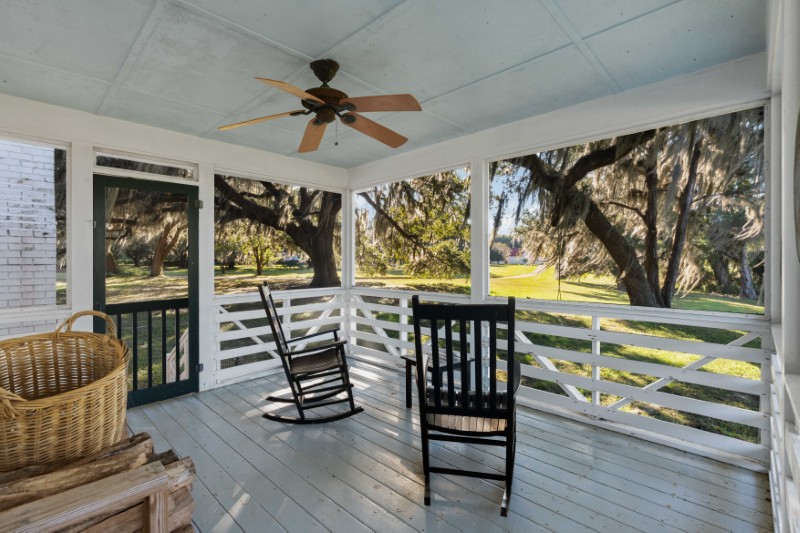
The estate extends along the Combahee River, with water access anchoring the property both visually and functionally. Wetlands, open lawns and wooded areas gradually blend across the acreage, creating a sense of depth rather than one focal point.
The riverfront location provides boating access and reinforces the Lowcountry rhythm that shapes daily life on the property.
Located in the protected ACE Basin
Bonny Hall is located in the ACE Basin, one of the largest undeveloped estuaries on the East Coast. The surrounding land is largely protected, preserving wildlife corridors, wetland ecosystems and long-term privacy.
This context ensures that the estate is not only large today, but also insulated from future overdevelopment in a way that few properties can claim.
A 6,320-square-foot main residence that anchors the estate
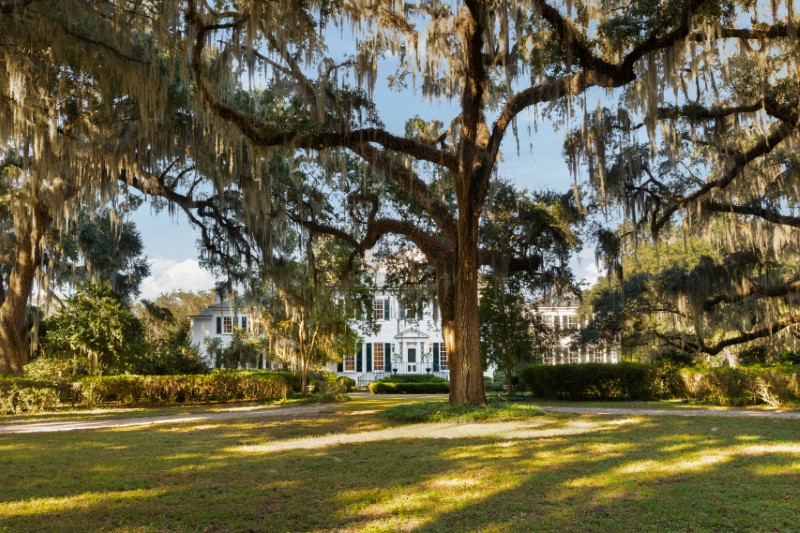
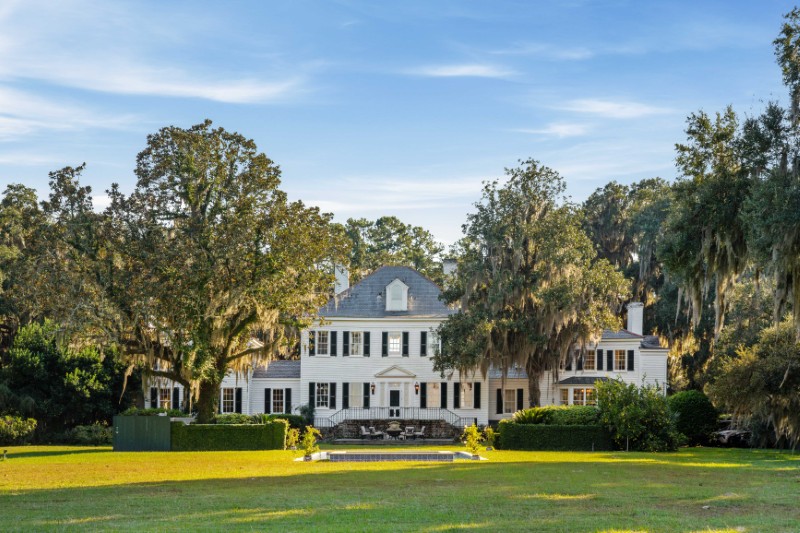
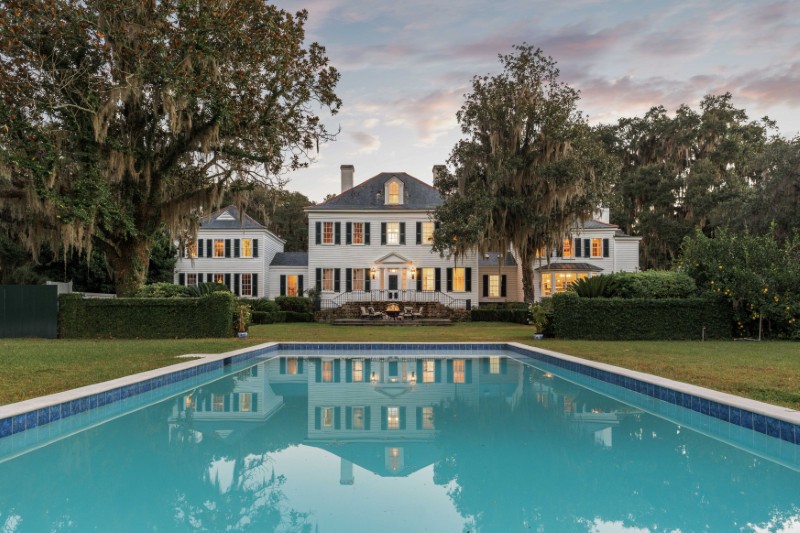
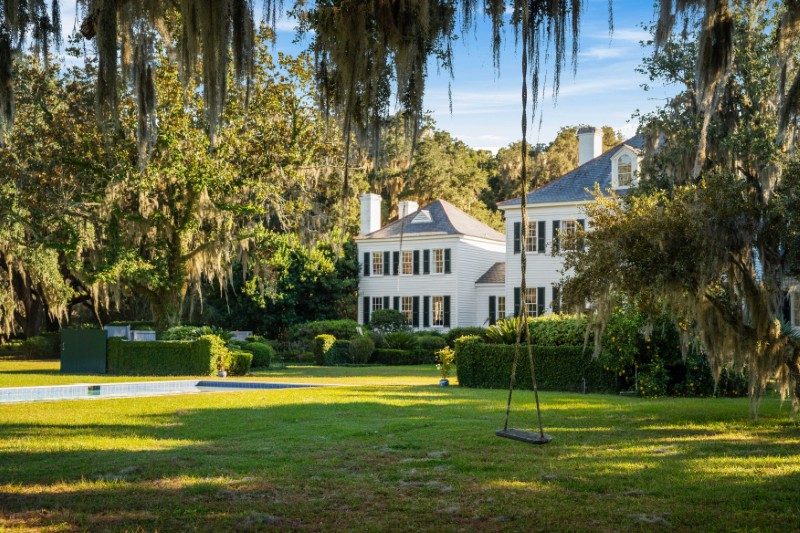
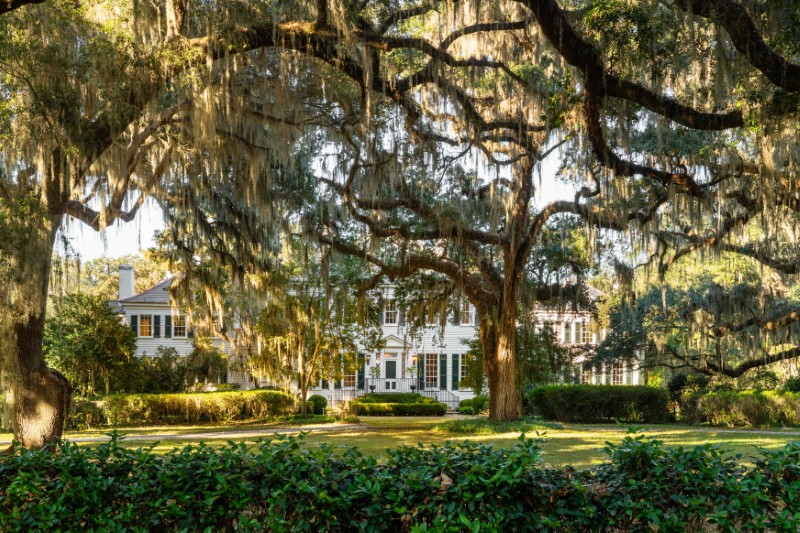
At the center of the property is the main residence, a 6,000-square-foot home designed with classic Lowcountry proportions and a symmetrical presence.
The architecture is formal without feeling imposing, allowing the house to serve as both an anchor point and a comfortable daily residence.
Architecture rooted in Lowcountry tradition, not imitation
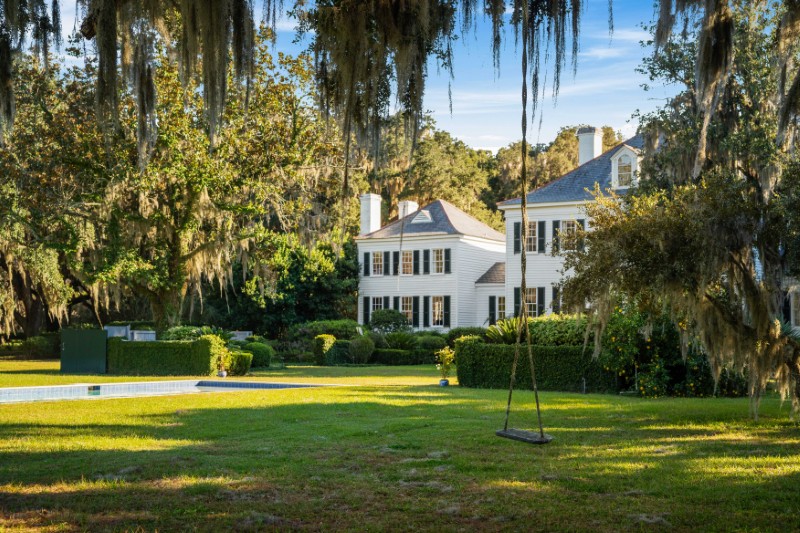
Rather than leaning on decorative excess, the house relies on proportion, balance and restraint.
Wide rooflines, evenly spaced windows and a measured facade give the house a timeless quality that befits both the land and its history.
Formal rooms designed for scale and flow
Inside, the main house is organized around formal rooms with generous proportions and clear circulation.
The spaces are sized to accommodate large gatherings, yet remain functional for everyday living, avoiding the cavernous feeling often found in oversized homes.
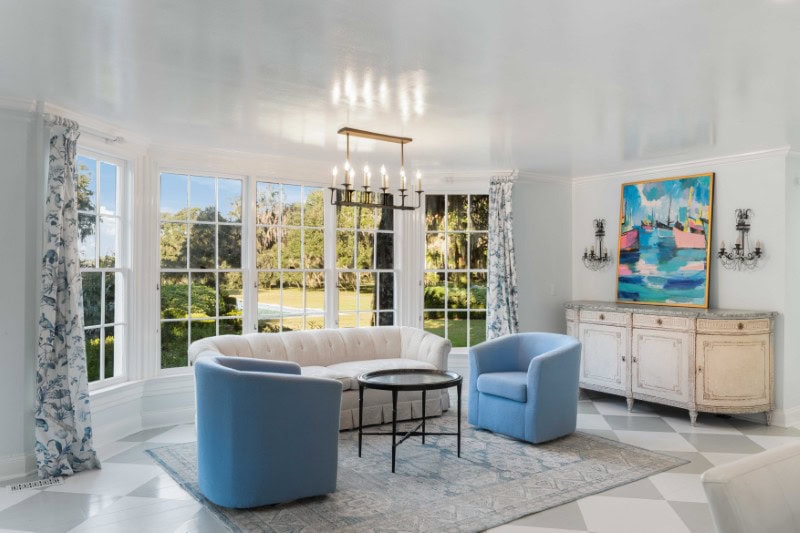
Interiors layered with traditional details and warmth
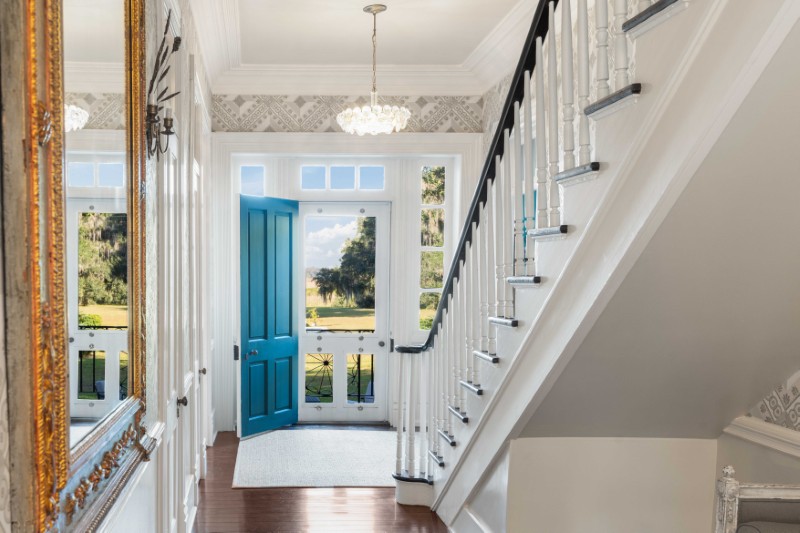
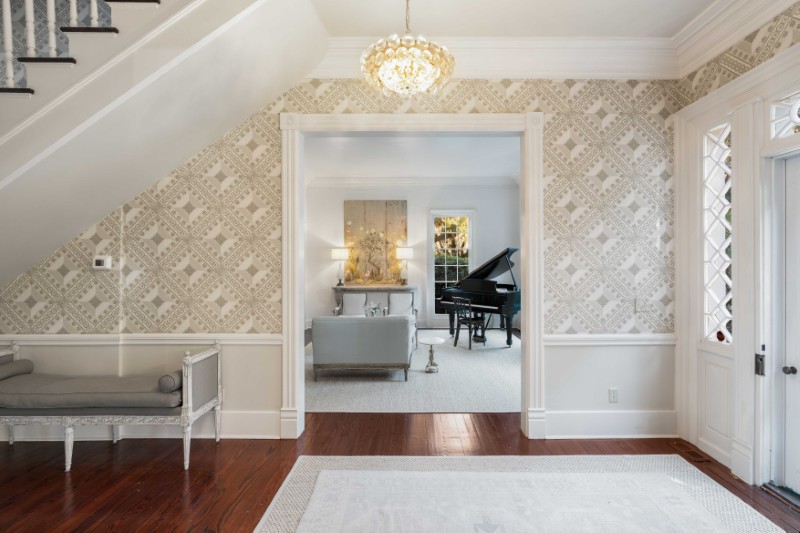
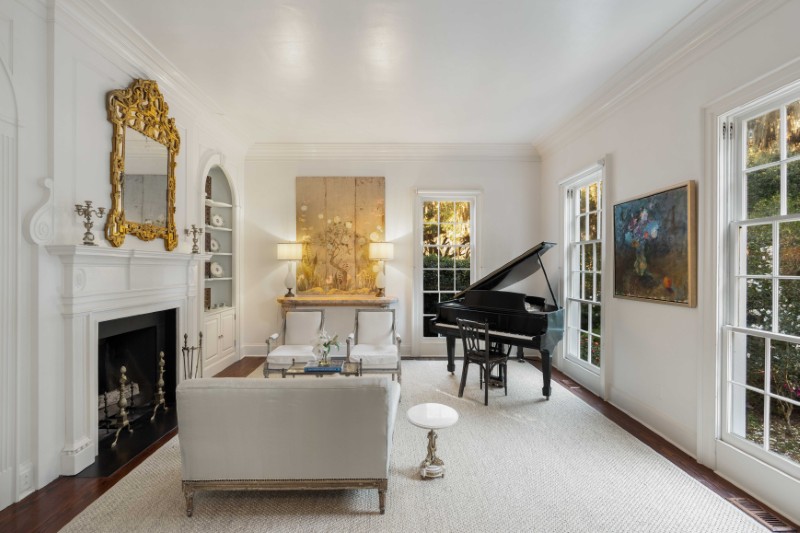
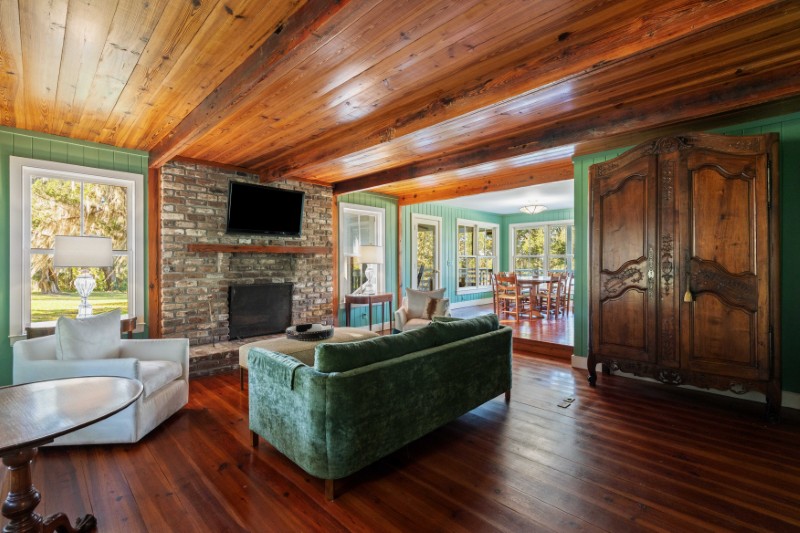
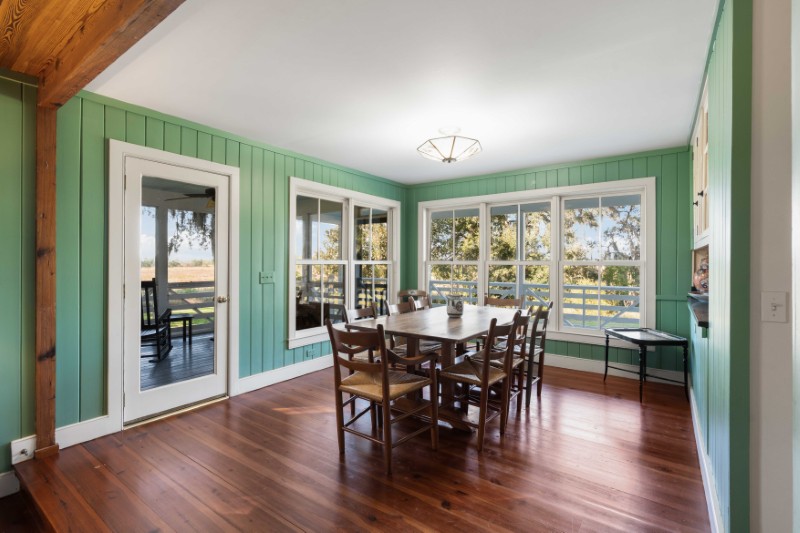
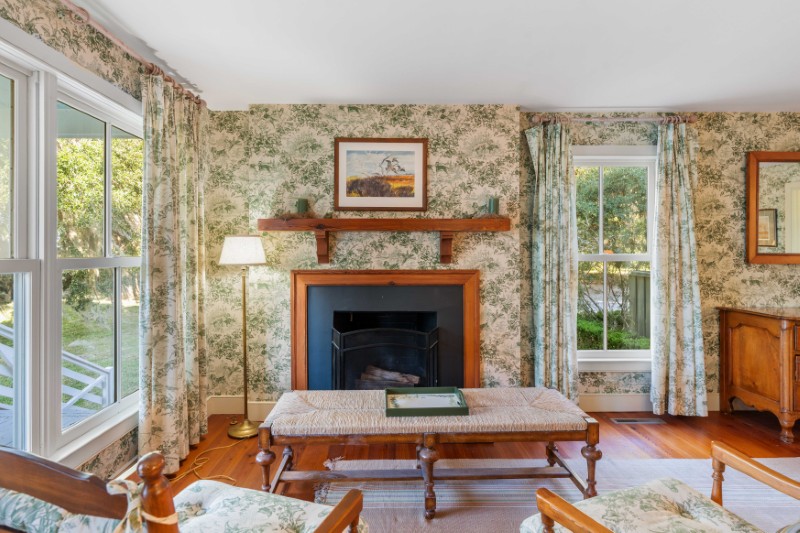
Historic-style details can be found throughout the interior, from wood floors to classic millwork and fireplaces. These elements are balanced with a relaxed approach to décor, giving the rooms a lived-in character rather than a museum-like finish.
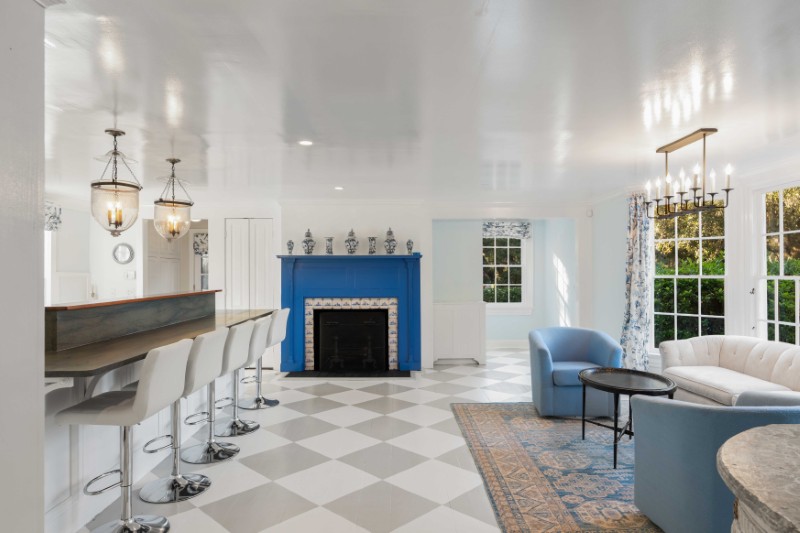
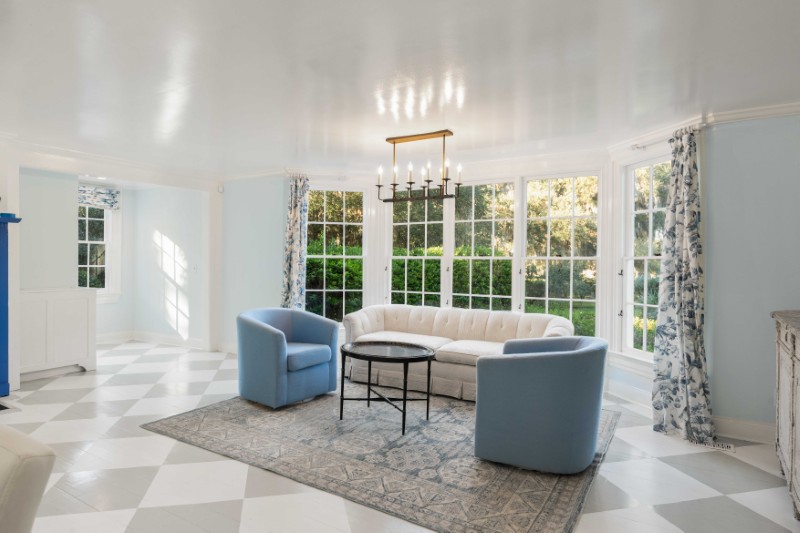
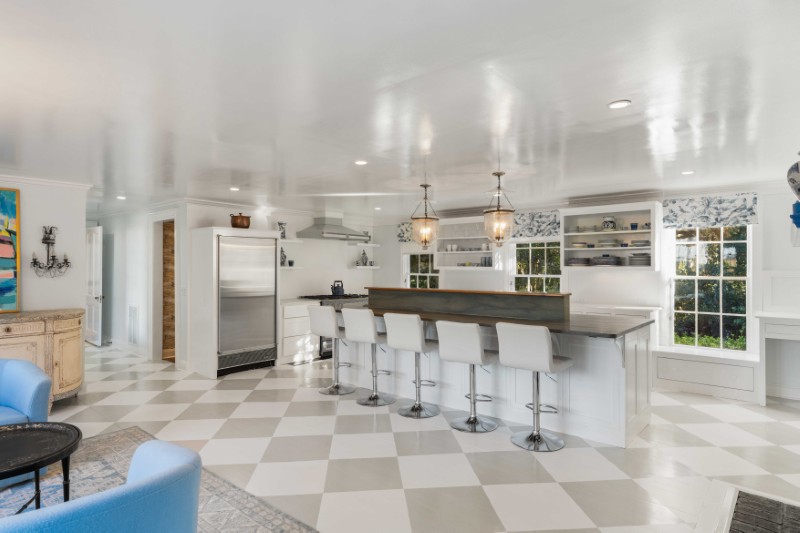
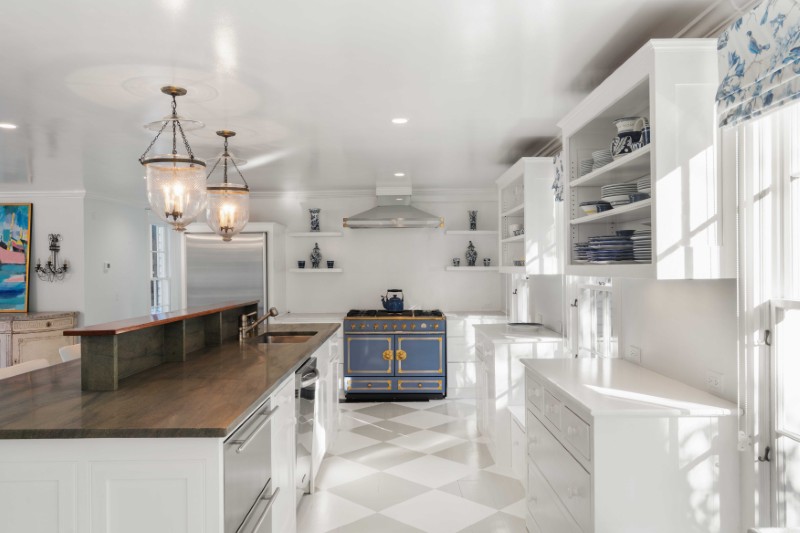
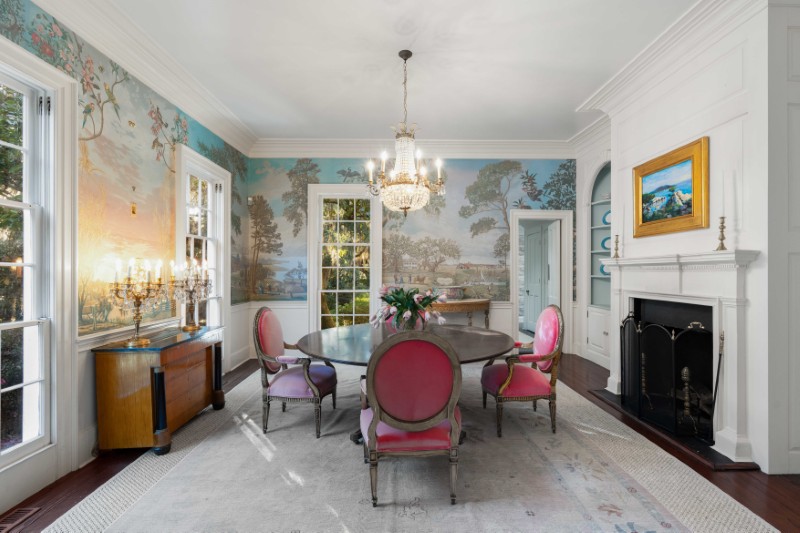
A dining room wrapped in picturesque mural-style wallpaper
One of the most striking interior spaces is the formal dining room, where hand-painted landscape-style wallpaper lines the walls.
Combined with traditional lighting and furnishings, the room feels immersive and transportive without overwhelming the architecture itself.
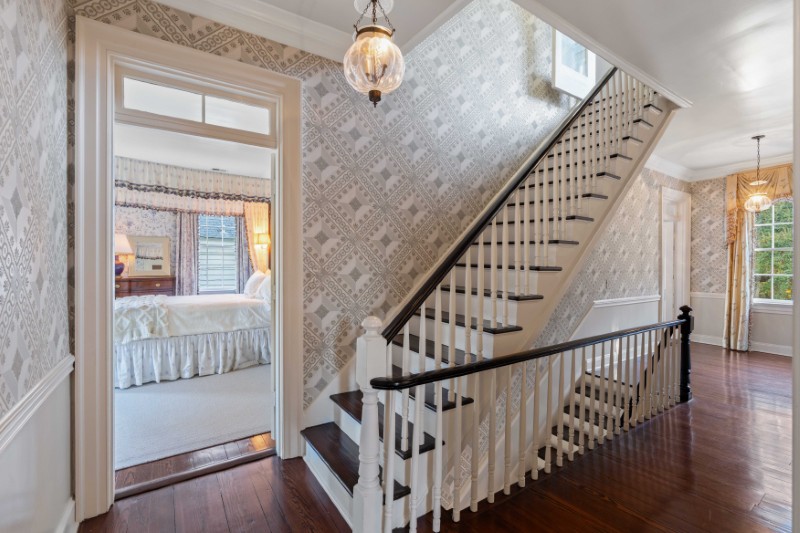
Staircases and corridors that emphasize craftsmanship
Traffic areas, including stairwells and corridors, are treated with the same care as primary areas.
Patterned wall coverings, wooden railings and thoughtful lighting make these spaces feel intentional rather than temporary.
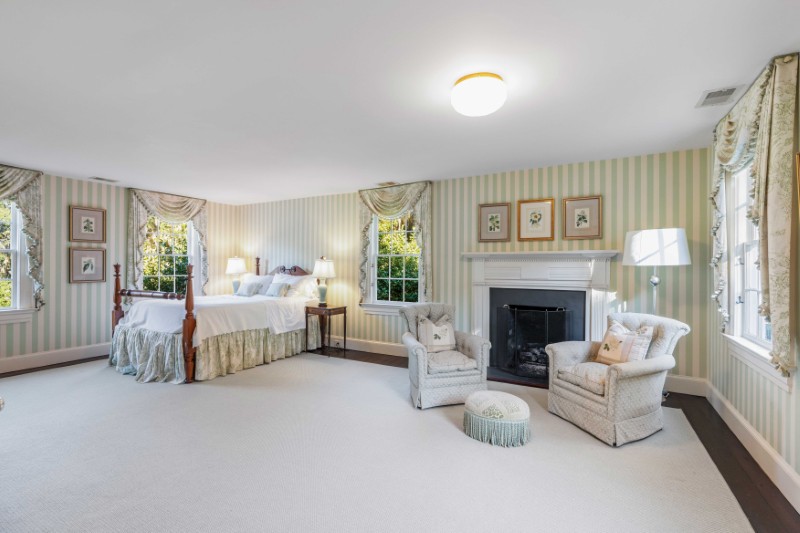
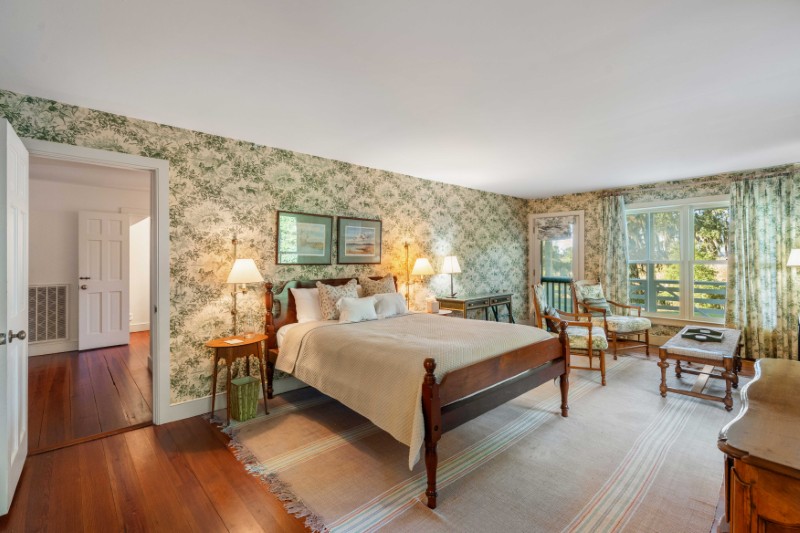
Bedrooms positioned for privacy and views
The bedrooms in the main house are arranged to maximize tranquility and views, with windows overlooking the surrounding trees and grounds. The layout prioritizes the separation of public areas, while maintaining flow within the house.
A layout that supports daily life on an estate
Despite its size, the main residence is designed in such a way that it can function smoothly on a daily basis.
Storage, access points and circulation paths reflect the realities of managing a large property, rather than simply showcasing square footage.
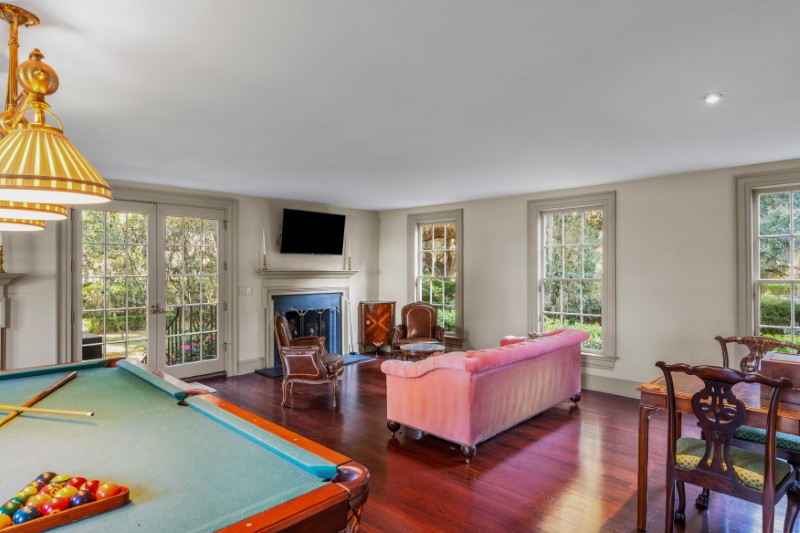
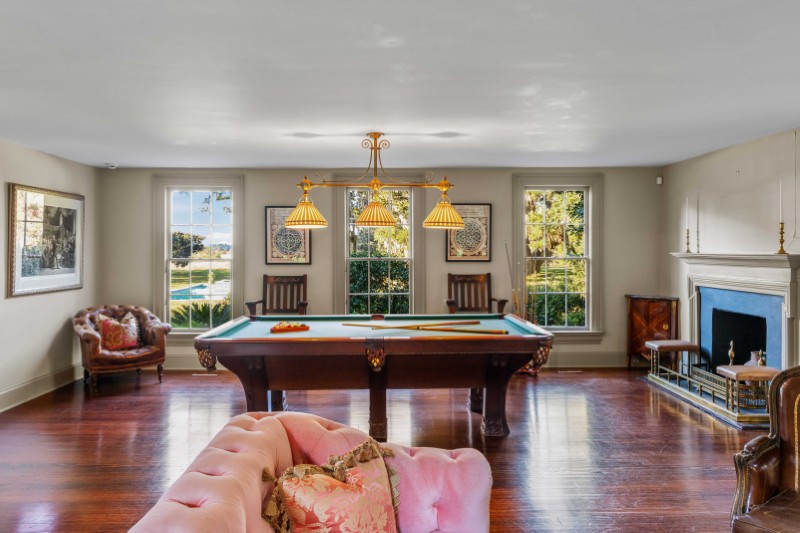
A composite layout with several independent homes
In addition to the main building, Bonny Hall functions as a real family residence.
Multiple homes are placed throughout the property to provide privacy and autonomy, while remaining visually and practically connected.
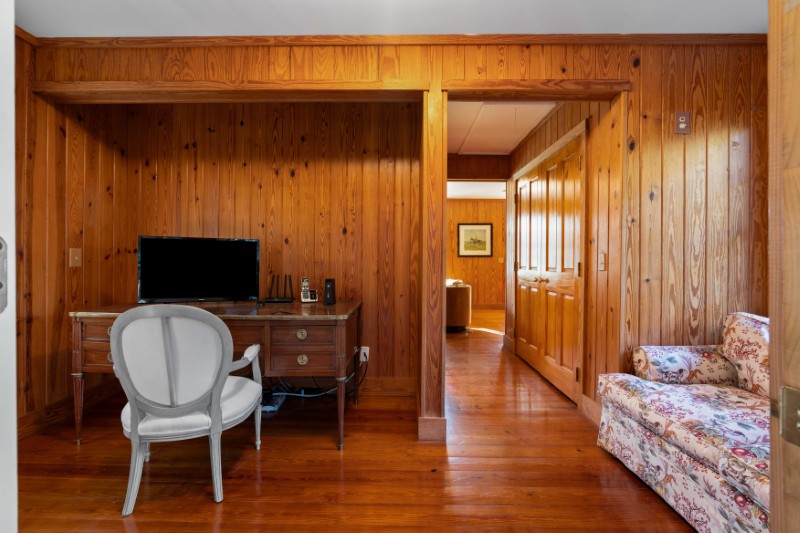
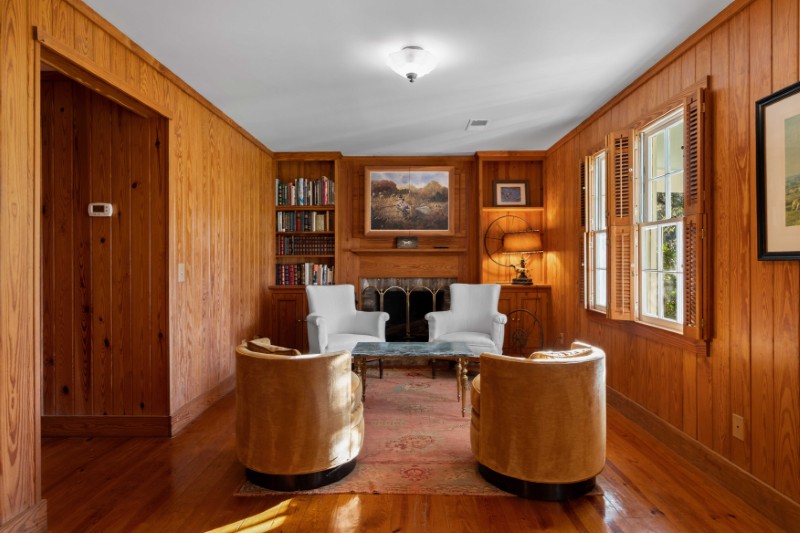
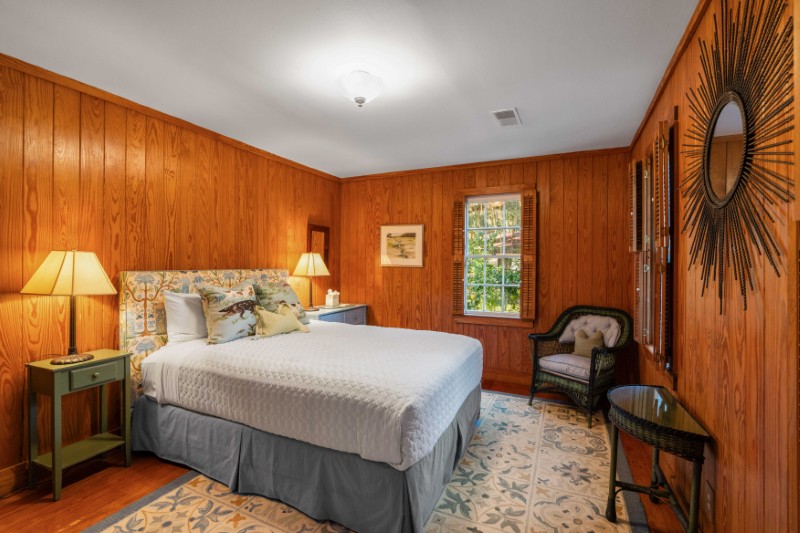
The four-bedroom “Weebonny” guest house with views of marshes
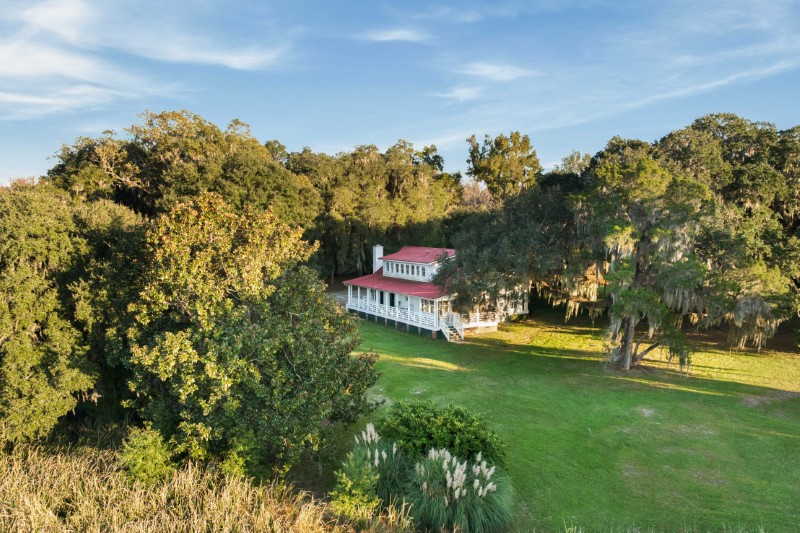
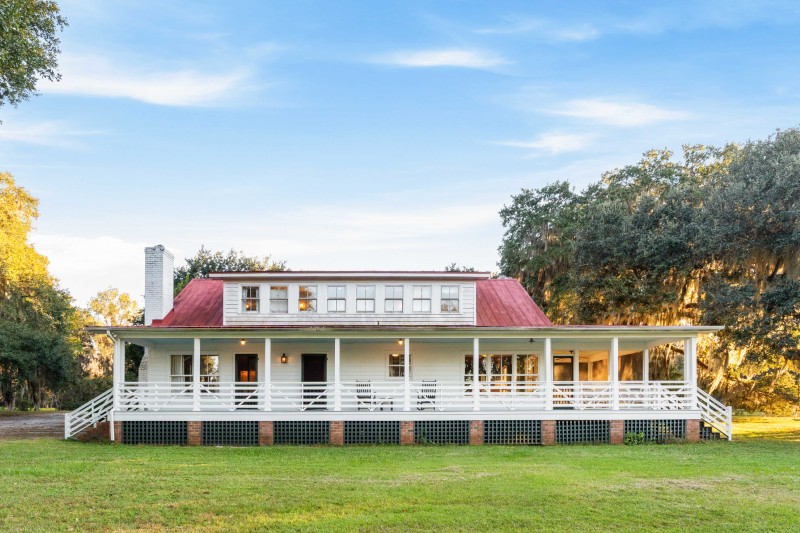
The primary guest house, known as Weebonny, spans 2,736 square feet and features four en-suite bedrooms.
The location offers stunning views over swamps and former rice fields, giving guests a sense of immersion rather than isolation.
A separate one bedroom cottage for carers or long term stays
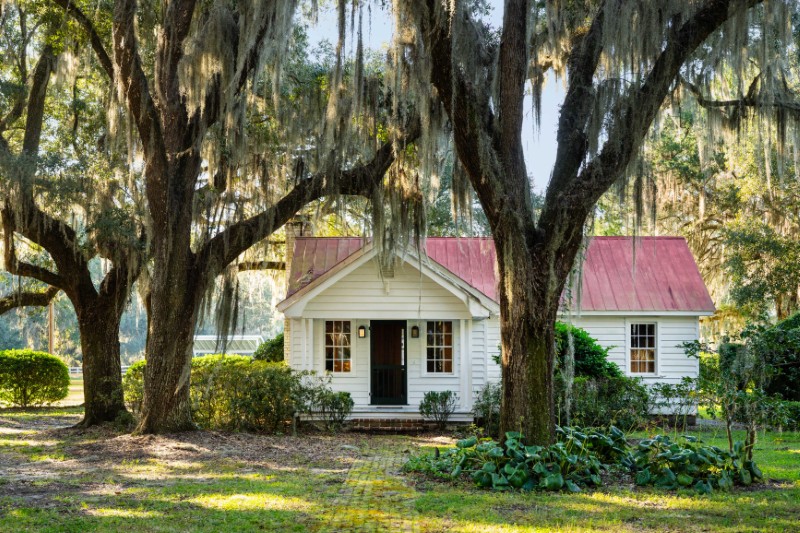
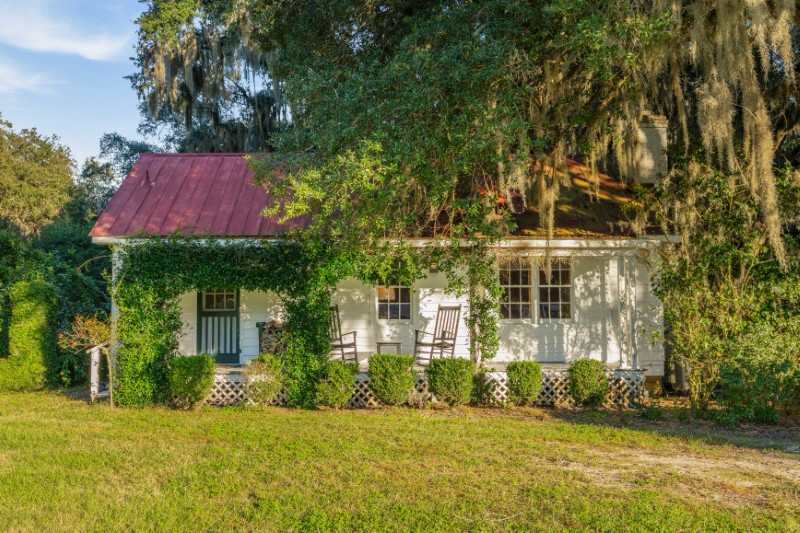
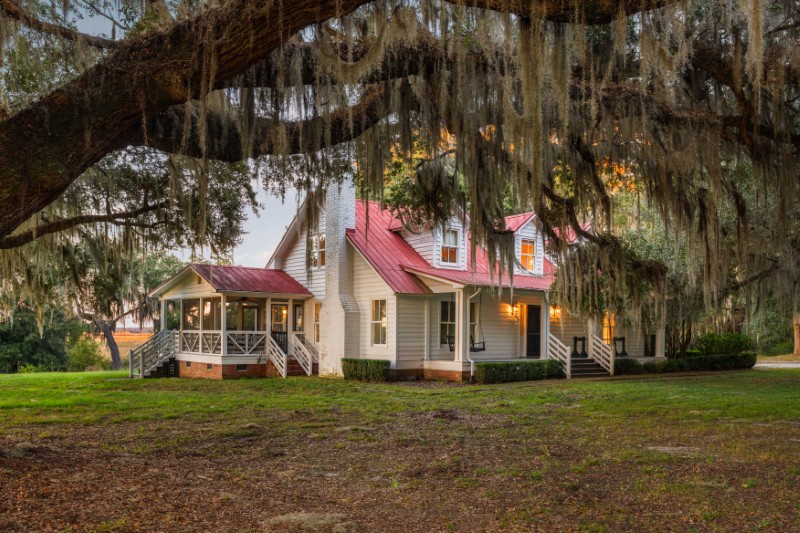
A second guesthouse offers a one-bedroom layout and additional living or office space, ideal for caregivers, extended families or longer-term guests who require independence from the main residence.
A barndominium that combines equestrian facilities and living space
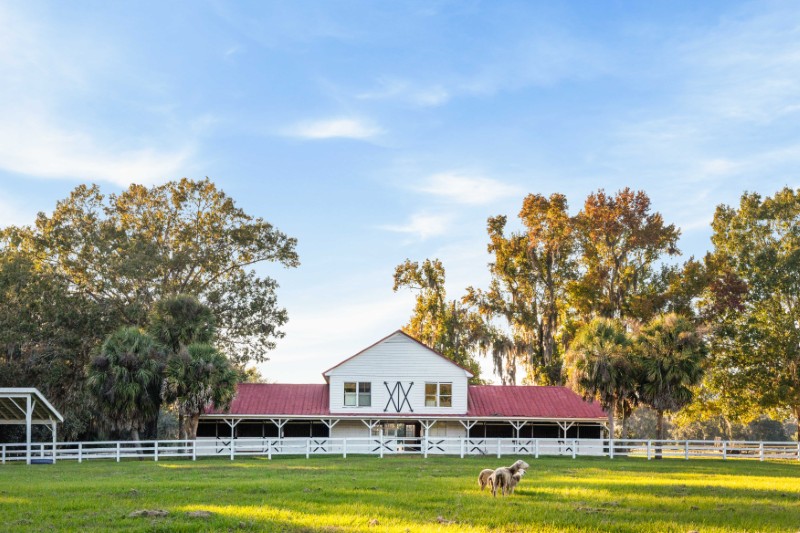
The equestrian facilities are centered around a barndominium that includes a stable with six stalls and a two-bedroom apartment above.
The building functions both as a work shed and as a comfortable home, suitable for long-term stays or sporting use.
Equestrian facilities integrated into the landscape
The barn and surrounding facilities are naturally woven into the property rather than standing apart.
Open meadows, fenced areas and circulation paths maintain the pastoral character of the land without dominating it.
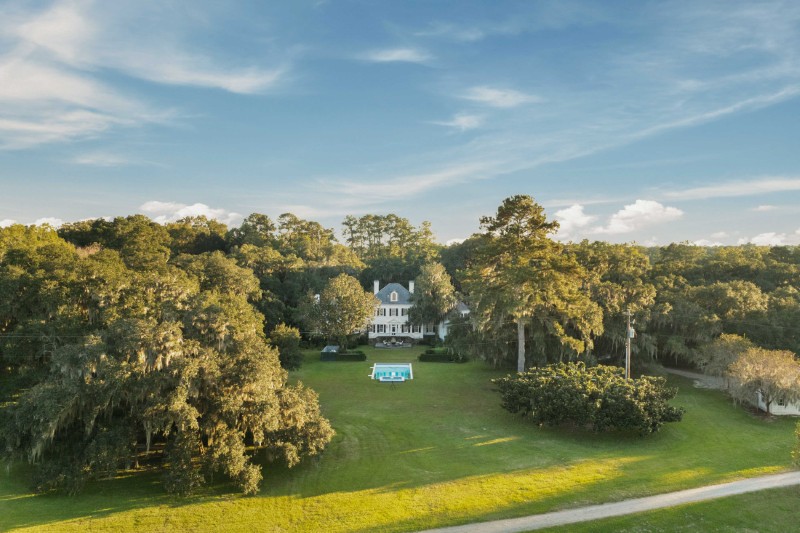
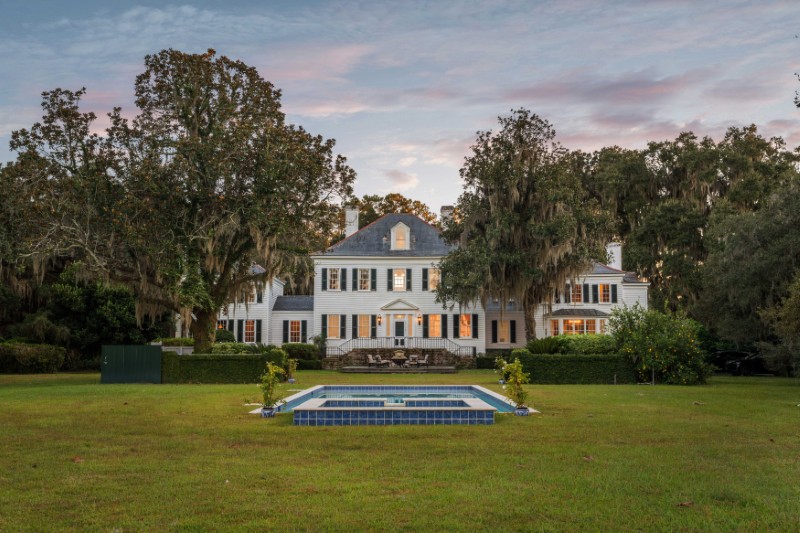
A 20×40 Gunite saltwater pool centered on the main lawn
The swimming pool is positioned as a visual extension of the main house, aligned with extensive lawns and surrounded by mature trees. Its placement enhances the symmetry of the estate and provides a natural gathering point without overwhelming the landscape.
Recreational facilities spread over the area
Instead of clustering facilities in one area, Bonny Hall spreads them throughout the building.
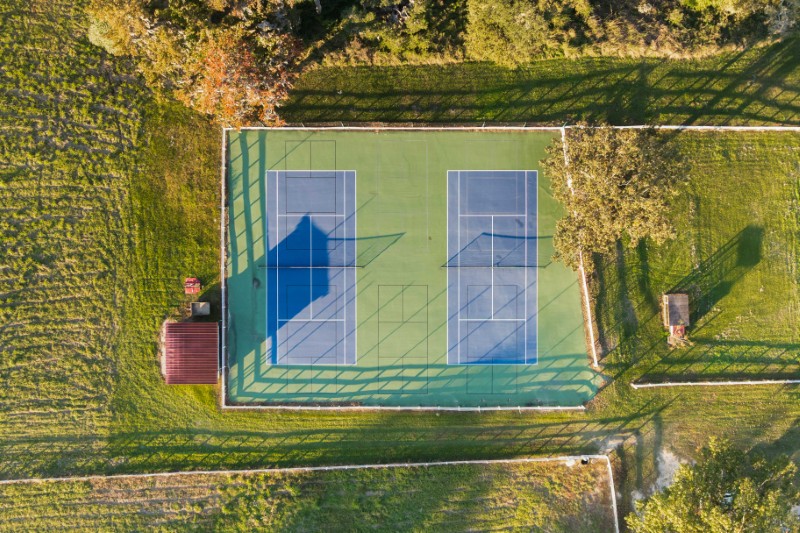
Tennis courts – convertible into six pickleball courts – are located next to open fields used for multi-use recreation, adding to the sense of scale.
Private access to the Combahee River
A dedicated jetty provides direct access to the river, making water travel and recreation a regular part of estate life, rather than just occasional.
Thirteen acres of pecan orchard and open fields
A significant portion of the land is dedicated to a pecan orchard and open fields, reinforcing the property’s character as working land.
In addition to their visual appeal, these areas contribute to the seasonal rhythm and agricultural function.
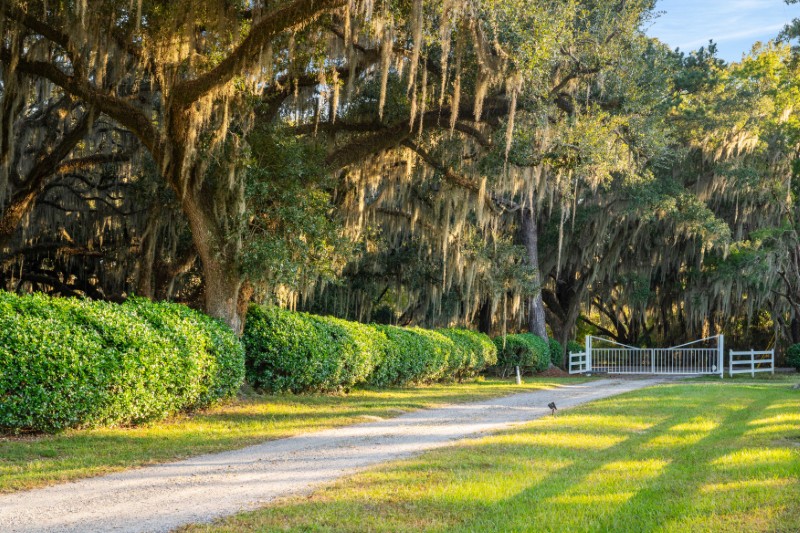
Modern utility appears in the form of a 10×30 hydroponic greenhouse, which allows for consistent food production regardless of the season. It adds a practical, future-oriented layer to the land use of the estate.
Formal gardens and extensive lawns laid out for gatherings
Manicured lawns and formal gardens provide flexible outdoor living spaces suitable for large family gatherings and celebrations, framed by live oak trees and long sightlines across the grounds.
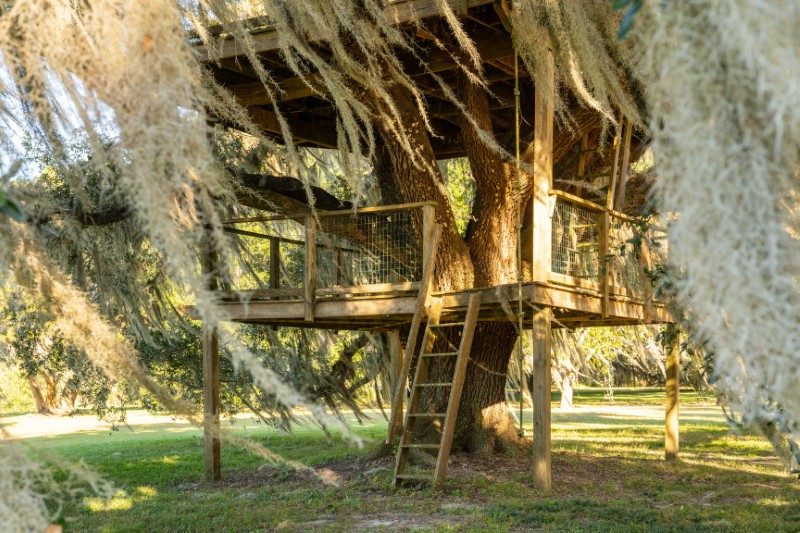
A custom two-level treehouse nestled in a live oak tree
One of the estate’s most unexpected features is a custom-built two-story treehouse built into a massive live oak tree. It overlooks the surrounding grounds and adds a playful, almost fairytale element to the grounds without feeling out of place.
Estate-wide infrastructure designed for safety and longevity
Bonny Hall is equipped with a comprehensive security and surveillance system, a fireproof safe room with oversized weapons storage and modern audio technology integrated throughout the house and pool area.
Garages, storage and multifunctional structures spread throughout the site
Additional buildings include a five-car detached garage, vehicle storage and a multi-use studio or schoolhouse overlooking the marsh.
These buildings support daily operations and flexible use without encroaching on primary living spaces.
Free from conservation easement restrictions
Unlike many properties of this size, Bonny Hall is unencumbered by easements. This gives future owners flexibility in how the land is retained, adapted or expanded, whilst still benefiting from the surrounding conservation environment.
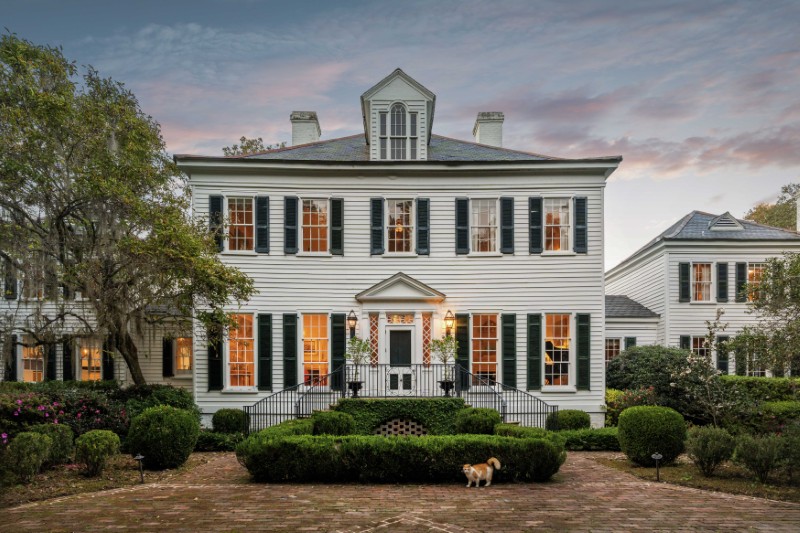
A modern estate layered on historically significant land
The land that Bonny Hall occupies dates back to the Lowcountry rice plantation era, and the original house was destroyed after the 1863 Combahee River Raid led by Harriet Tubman. Today, the estate acts as a modern counterpart – acknowledging its past while functioning as a fully contemporary private property, shaped by privacy, scale and long-term management.
Bonny Hall does currently listed for $8.85 million with Katherine Cox + Co. at Coldwell Banker Realty.
More stories
This large yet homely mansion on Kiawah Island will make you want to move to South Carolina
The house in the notebook: Allie’s dream or a real home?
French-inspired castle in one of Charlotte’s best golf communities is like a ‘mini Biltmore’
#86acre #Lowcountry #rice #plantation #reborn #modern #estate