

Inflammation is the body’s natural response to heal damaged tissue or fight infections. But if it persists, it actually damages tissues and increases the risk of heart disease, arthritis and type 2 diabetes. The good news is that adding anti-inflammatory foods to your diet helps counteract these problems and many more.
Scientists measure the impact of different foods on inflammation using the Dietary Inflammation Index (DII). Foods with a low DII score have greater anti-inflammatory effects than foods with a higher score.
In this article, we look at seven anti-inflammatory foods with remarkably low DII scores. We’ve prioritized foods that you can eat as a daily option without spending a lot of money.
1. Mushrooms and their anti-inflammatory benefits
Mushrooms are among the most researched anti-inflammatory foods due to their unique bioactive compounds. They contain beta-glucans, polysaccharides and antioxidants that keep your immune system in check by regulating its activity. Make eating mushrooms a daily habit because they also lower blood pressure C-reactive protein (CRP), a blood marker linked to inflammation.
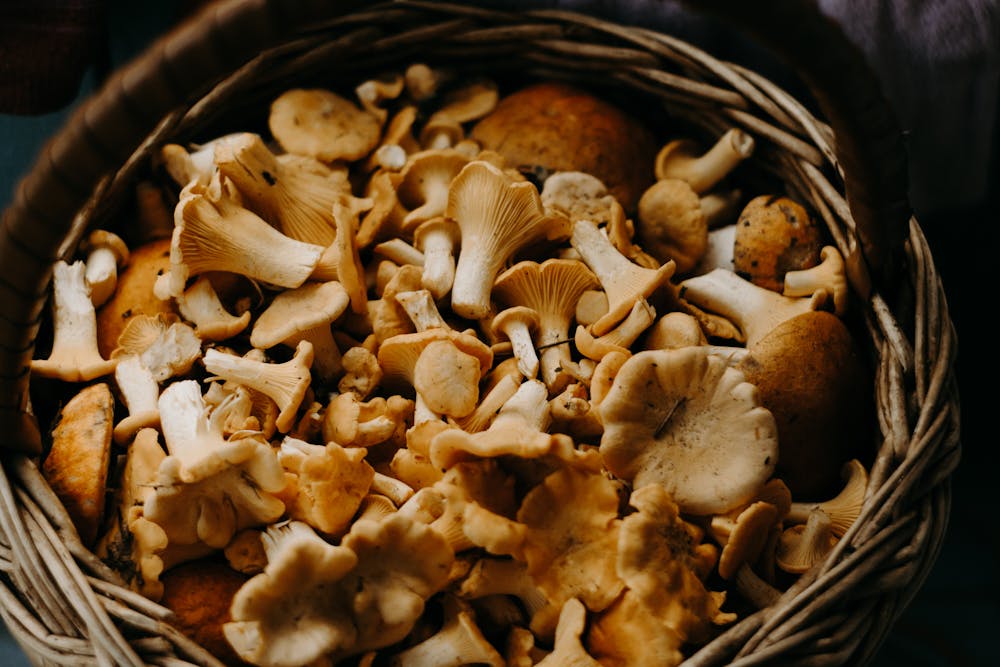
You can add mushrooms to eggs, soups or stir-fries. They pair well with other flavors, making it easy to create a low-inflammatory diet. An added benefit is that mushrooms are a great source of protein and low in calories, making them an ideal choice for weight loss.
2. Green Tea and Lower Inflammation
Green tea falls into the category of underrated anti-inflammatory foods, in this case specifically a drink. It is known for its high content of polyphenols and catechins. These natural antioxidants reduce oxidative stress and limit the body’s inflammatory response. Regular green tea drinkers tend to have lower levels of C-reactive protein (CRP), which is directly linked to chronic inflammation.

Drinking one or two cups of green tea daily is enough to support a stable metabolism and improve muscle growth after exercise. If you drink a little too many sugary drinks, green tea is an excellent alternative with a little less kick but a lot more nutrition.
3. Tart cherries and recovery support
Sour cherries are bright, flavorful, and surprisingly powerful anti-inflammatory foods. They contain anthocyanins, natural compounds that help reduce muscle soreness and inflammation after intense physical activity. Moreover, tart cherries are also consumed as they are known to improve sleep quality too!
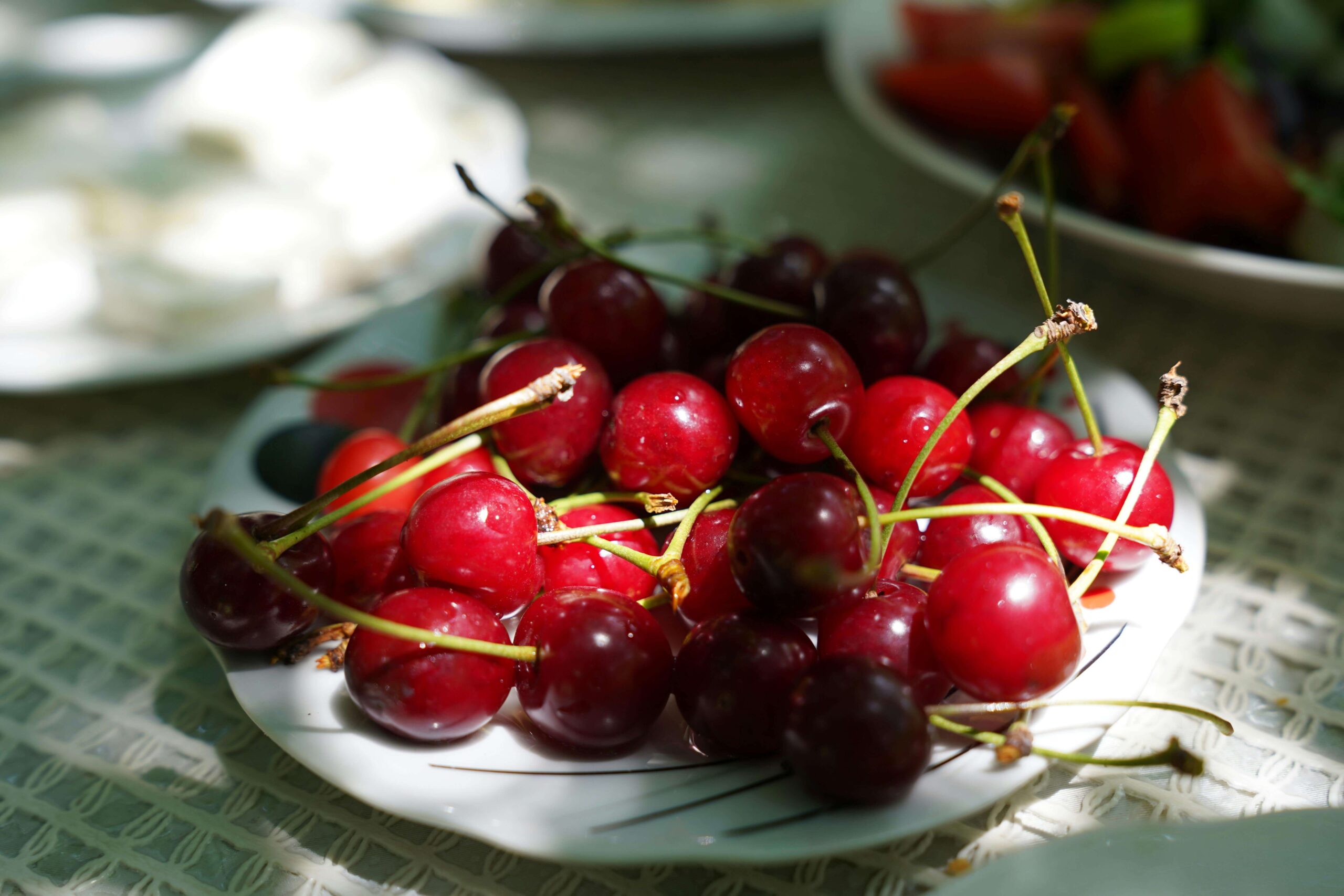
You can enjoy tart cherries fresh, frozen or as unsweetened juice. They make a great post-workout snack or as an addition to smoothies. Adding tart cherries to your daily diet will definitely improve recovery times and maintain lower levels of chronic inflammation.
4. Oily fish and omega-3 protection
Fatty fish such as salmon, sardines and mackerel are already well regarded anti-inflammatory foods, and for good reason. These fish are rich in omega-3 fatty acids, which help produce compounds that fight inflammation and improve heart health. People who regularly eat oily fish tend to have lower levels of C-reactive protein (CRP).
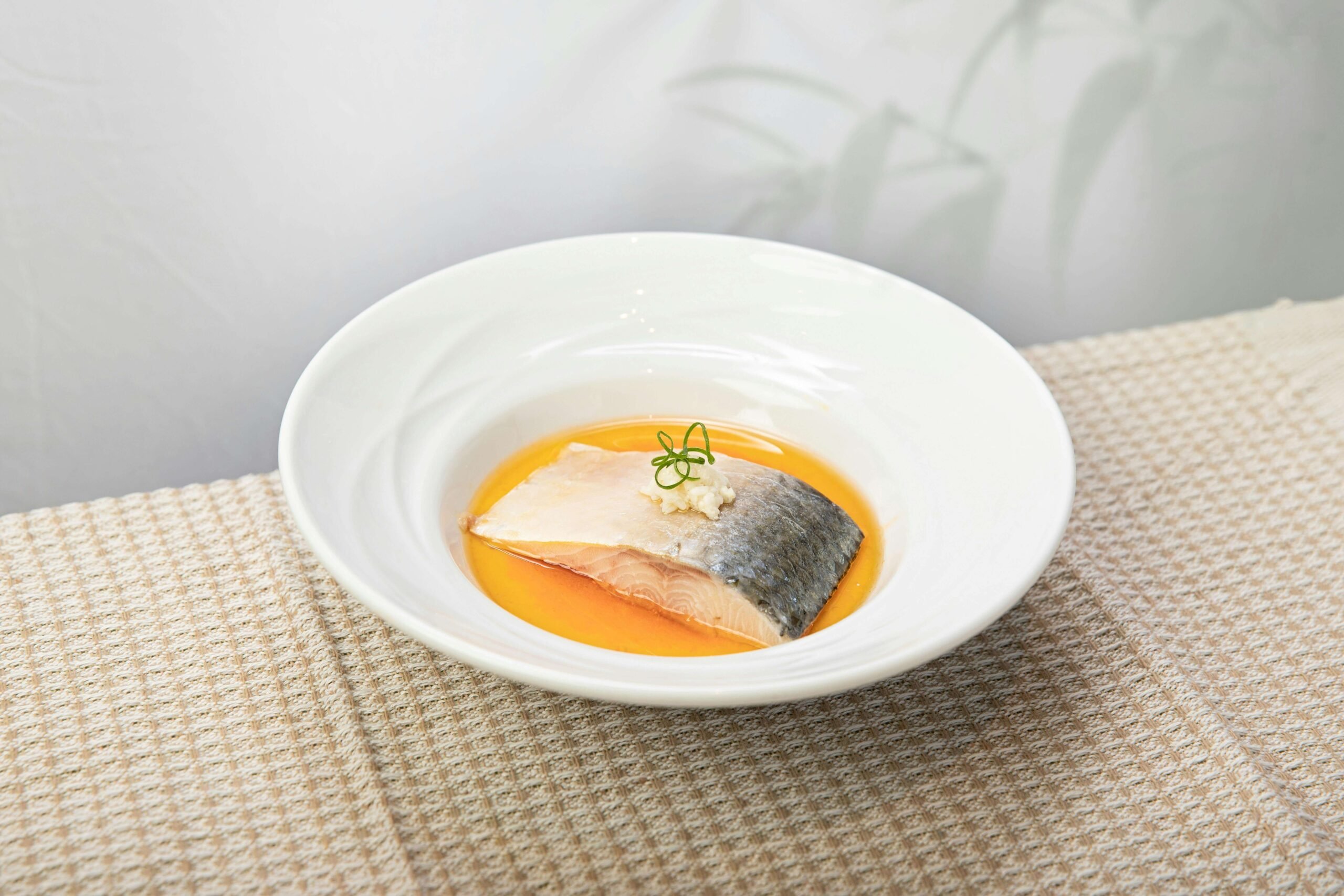
But you don’t have to eat oily fish every day to reap its many benefits. Eating fish two or three times a week can make a noticeable difference in overall health. Grilling or baking them instead of frying preserves the omega-3 fatty acids that make these fish so effective at reducing inflammation. Remember to eat smarter and not go overboard!
5. Black cumin seeds for inflammation control
Black cumin seeds, also known as Nigella sativahave been used for centuries for their therapeutic properties. They are just as powerful in the present anti-inflammatory foods thanks to thymoquinone, which helps calm the body’s inflammatory response. Regular use of these seeds helps reduce oxidative stress and soothe the adverse effects of inflammation.
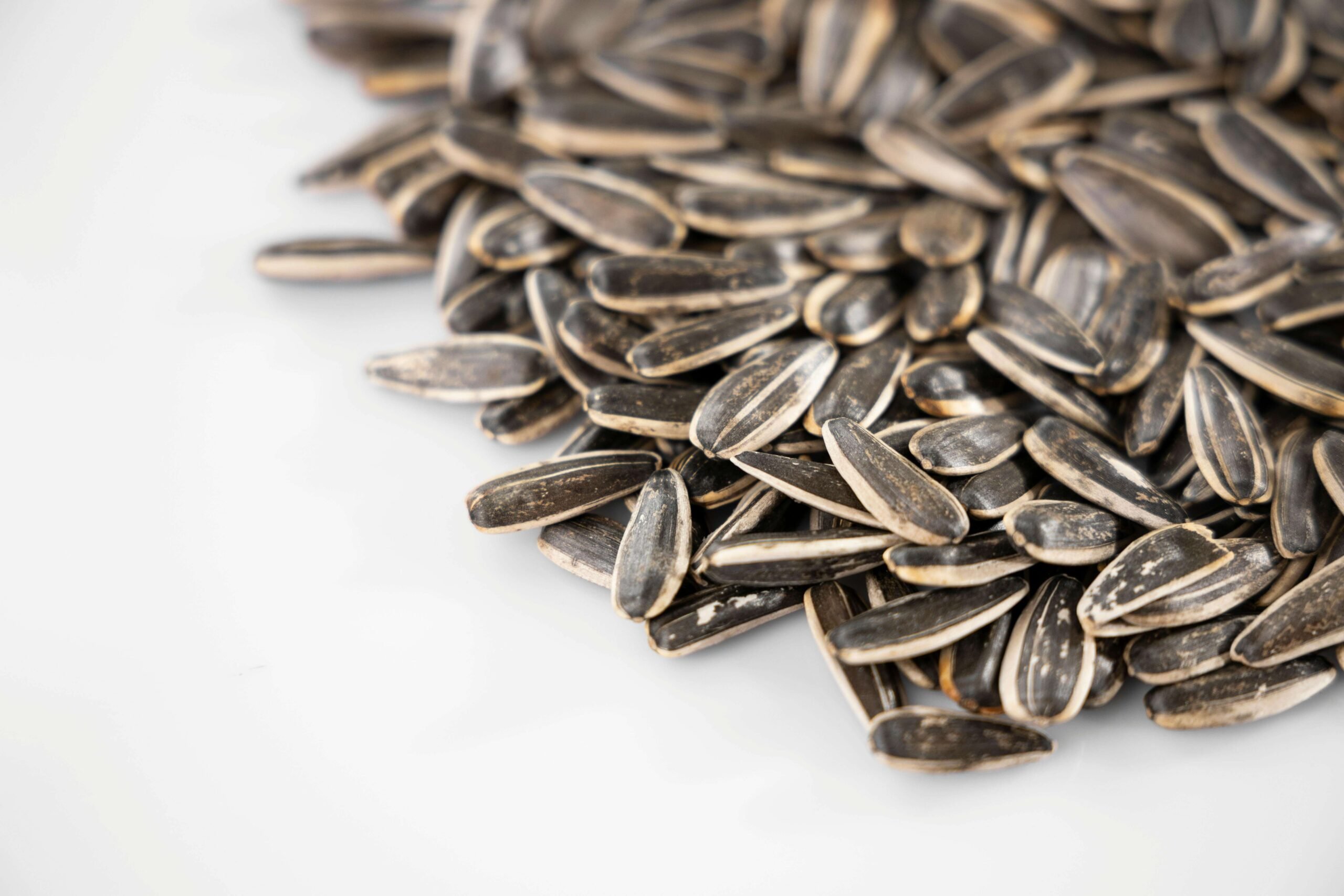
You can sprinkle ground black cumin seeds over yogurt, salads or hot dishes for a subtle earthy flavor. Consuming even a small amount daily is enough to make your diet naturally more anti-inflammatory.
6. Oats and reduced inflammatory response
Oats are gentle on the body and one of the most reliable anti-inflammatory foods you can include in daily meals. They contain beta-glucan, a type of soluble fiber that helps regulate cholesterol and reduce inflammation. Like some other foods on this list, oats lower levels of C-reactive protein (CRP), an indicator of inflammation.
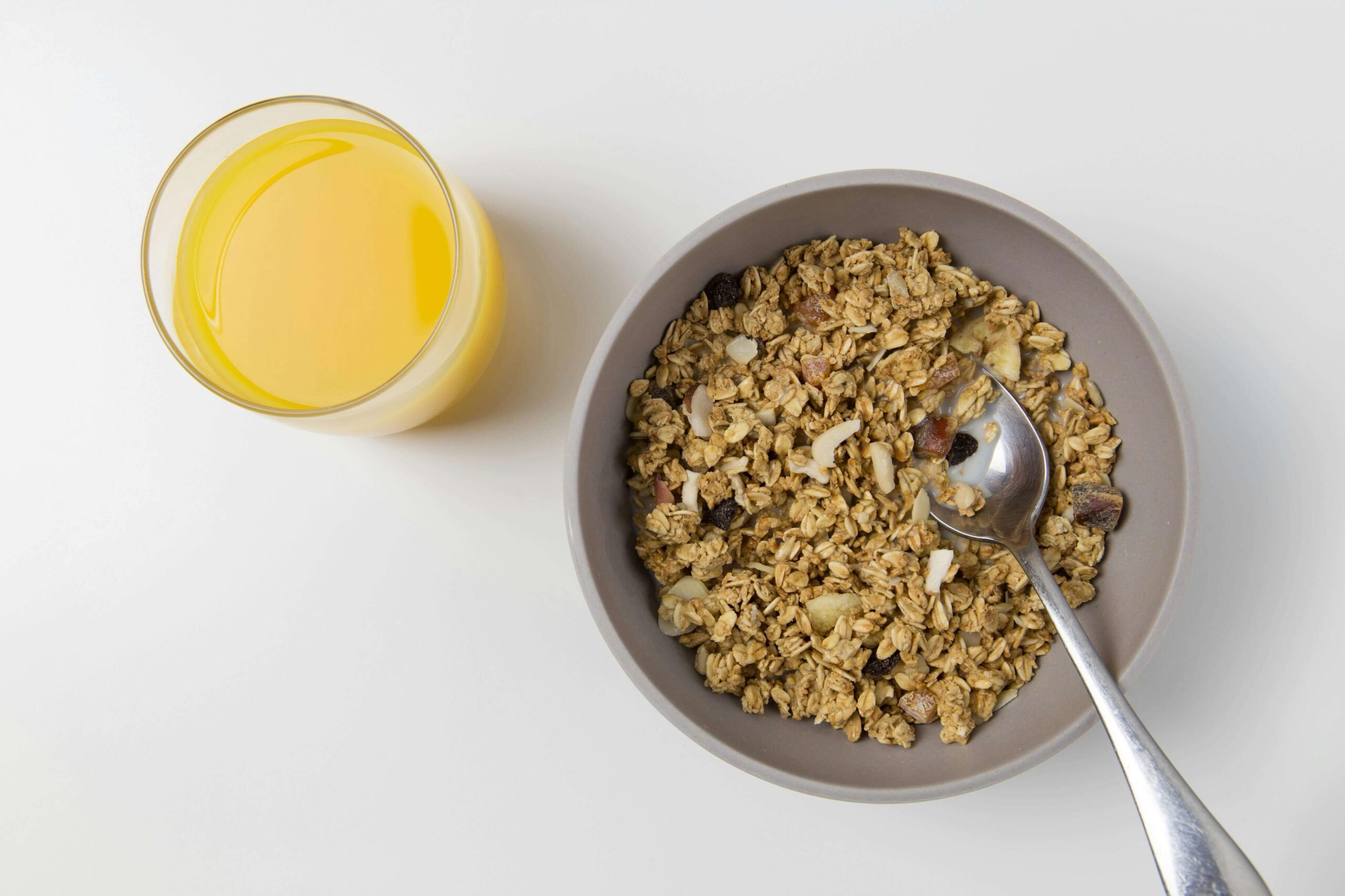
A warm bowl of oats, especially if topped with fruit or nuts, will keep you energized all day long. They also help stabilize blood sugar levels. To see a marked improvement in physical health, consider replacing refined grains or bread with oats.
7. Lentils as a daily anti-inflammatory food
Lentils are simple, affordable, and one of the most effective anti-inflammatory foods. They have a low DII score because they are rich in fiber, vegetable proteins and minerals. In addition to reducing inflammation, lentils are also excellent at controlling blood sugar levels and improving gut health.
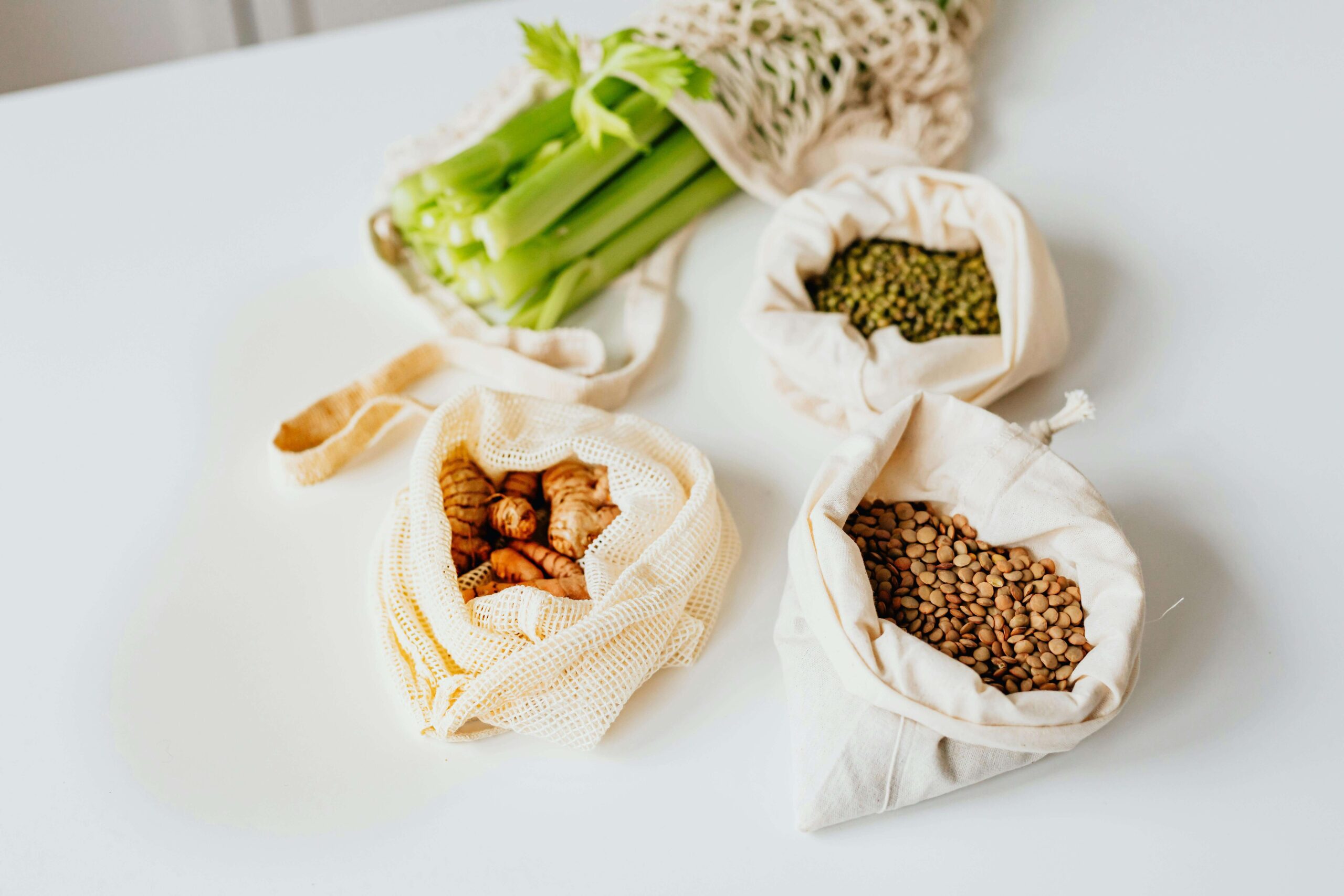
Lentils work best when added to foods you already eat regularly. You can use lentils in soups, curries or salads. They can also be used as a plant-based meat alternative in burgers, tacos or pasta.
Final thoughts
Adding just a few anti-inflammatory foods to your diet can offset the negative effects of inflammation and improve long-term health. The seven options above, ranging from mushrooms to tart cherries, reduce inflammation based on research and their low DII scores.
Instead of focusing on restrictions, try adding these foods to your regular meals. Chances are you will not only combat inflammation, but also improve your health in many ways.
#Surprising #AntiInflammatory #Foods #DII #Score #Eating