

And the funny thing is that a lot of the things designers notice right away aren’t the big items. They are not always looking for the most expensive sofa or the trendiest tile. They notice whether the house feels resolved. Whether it is thought through. Whether it’s fighting itself.
Some details indicate taste. Some signal shortcuts. And some reveal a homeowner who instinctively understands the difference between “decorating” and “design.”
Here are 18 details that interior designers always notice right away (sometimes before they even take two steps inside).
#1 The light temperature (and whether it matches)
Designers notice light immediately, especially if lamps don’t match from room to room. A house can be beautiful on paper and still feel ‘off’ when one light fixture is ice cold, the ceiling lights are yellow, and the kitchen glows blue.
Good lighting reads deliberately and calmly. Poor lighting makes even expensive finishes feel harsh.
#2 The scale of the rug
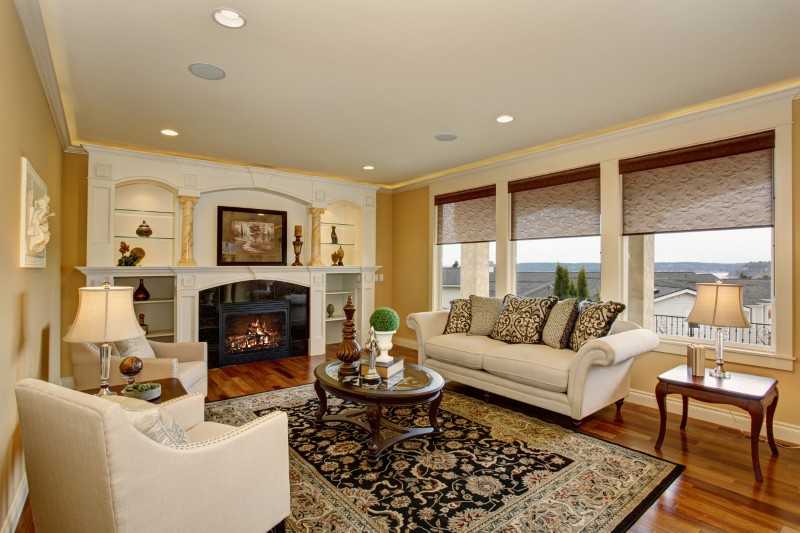
If a rug is too small, it doesn’t matter how beautiful it is: designers will notice. A small rug floating under a coffee table makes an entire room feel cheaper and more cramped.
Well-scaled rugs provide grounding and proportion. It’s one of the quickest ways to determine if a space has been thoughtfully designed.
#3 Where the curtains hang
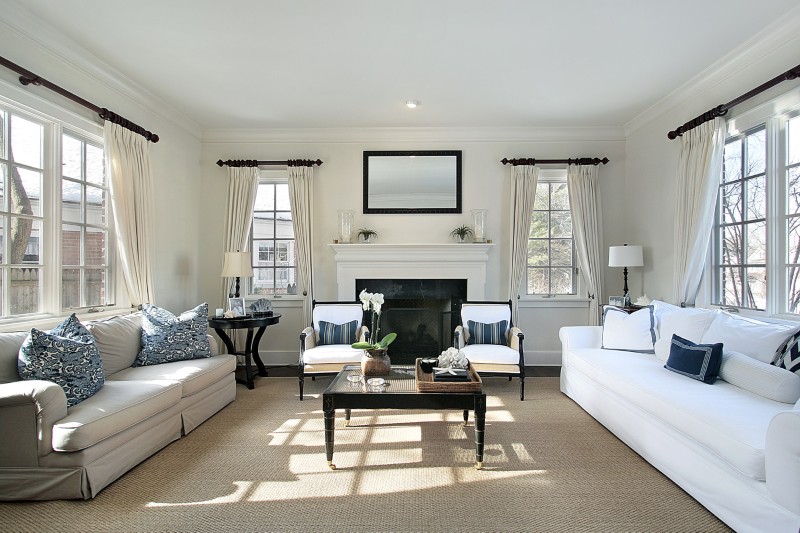
This is a classic designer story. Curtains that hang too low or too narrow immediately make a room visually smaller.
Designers notice whether curtains are the right height and fullness because this is one of the most common “almost right” mistakes — and one of the easiest ways to give a room an elevated feel.
#4 The first line of sight when you walk in
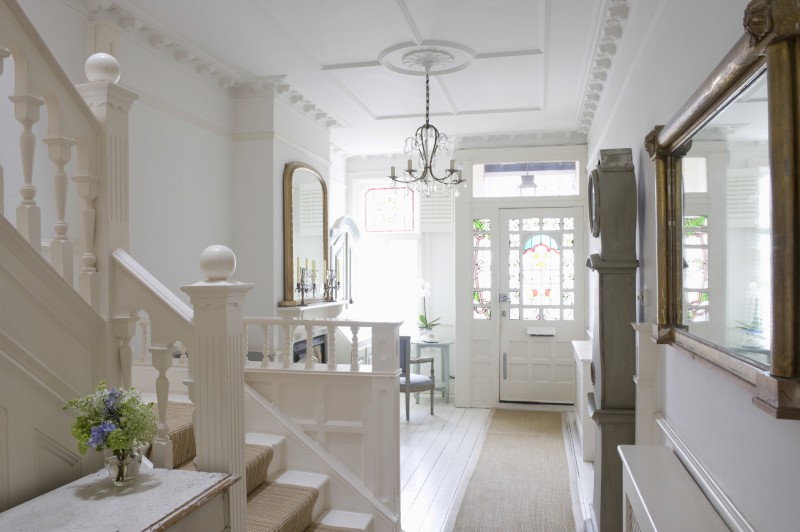
What do you see first? A wonderful moment? A messy surface? The side of a sofa?
Designers immediately register what a home presents. Homes that feel intentional often offer a controlled view upon entry (even if it is simple).
#5 The proportion of the furniture to the room
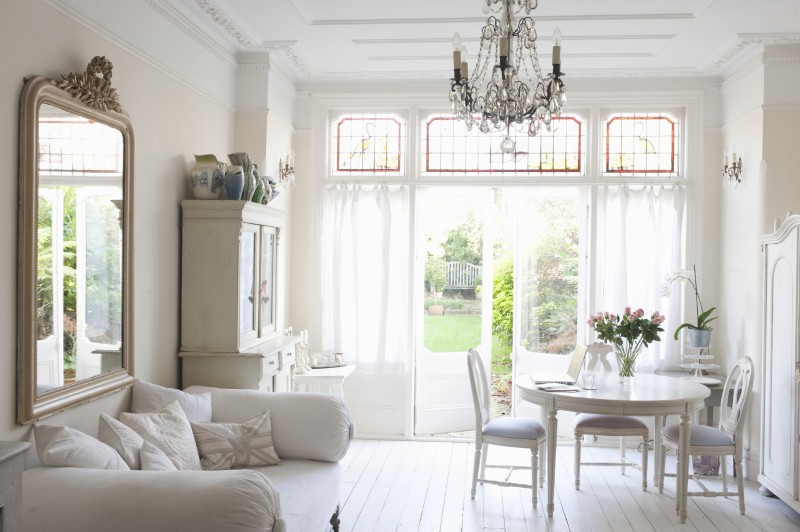
Designers can see in seconds whether furniture is too big, too small or awkwardly arranged. A room with the wrong scale feels uncomfortable, even if the decor is nice.
This is why staged homes sometimes feel weird in person: proportion isn’t just aesthetics, it’s livability.
#6 Whether the walls feel flat or layered
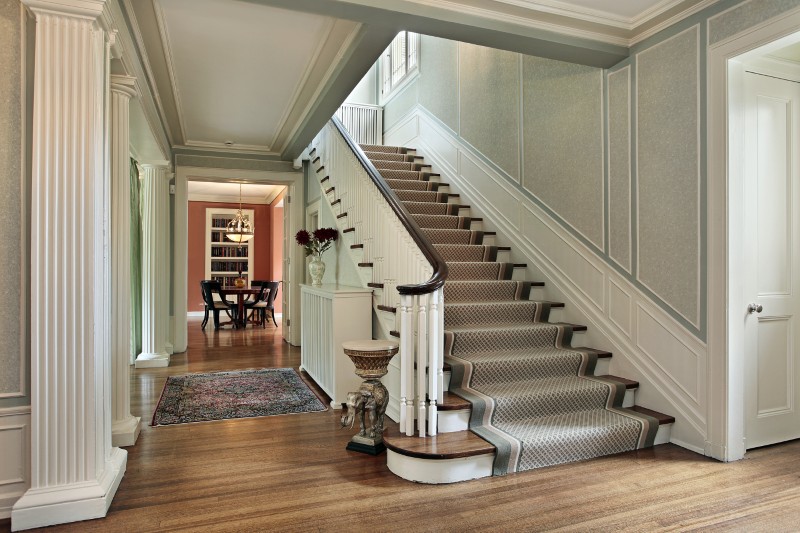
Even before you notice color, designers notice depth: moldings, plaster texture, paneling, moldings, thoughtful paint finishes.
A home with layered walls often feels richer and more finished than a home with pure drywall throughout.
#7 Clutter patterns (not just the clutter itself)
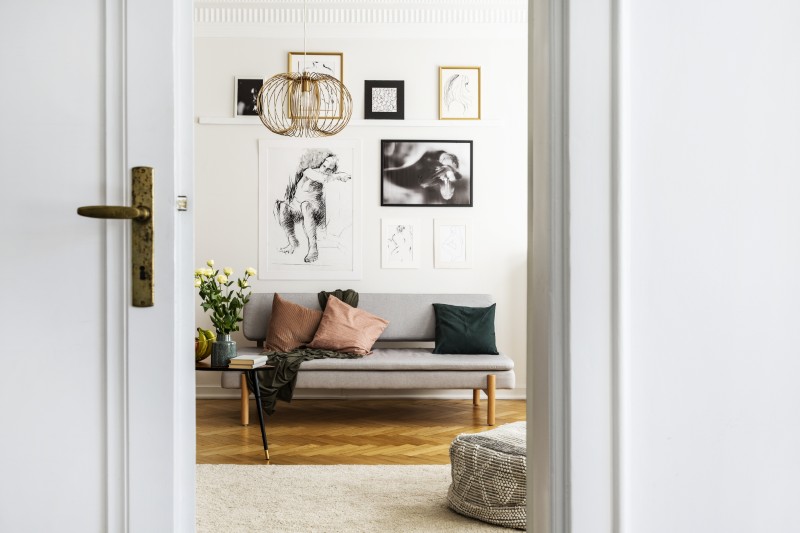
Designers don’t just see mess, they see why it happens. Is there nowhere to leave keys? No landing zone at the door? No storage space near places where things naturally pile up?
Clutter tells a story about design. A well-designed home doesn’t fight against everyday life, it makes room for it naturally (and comfortably).
#8 What the floors do in rooms
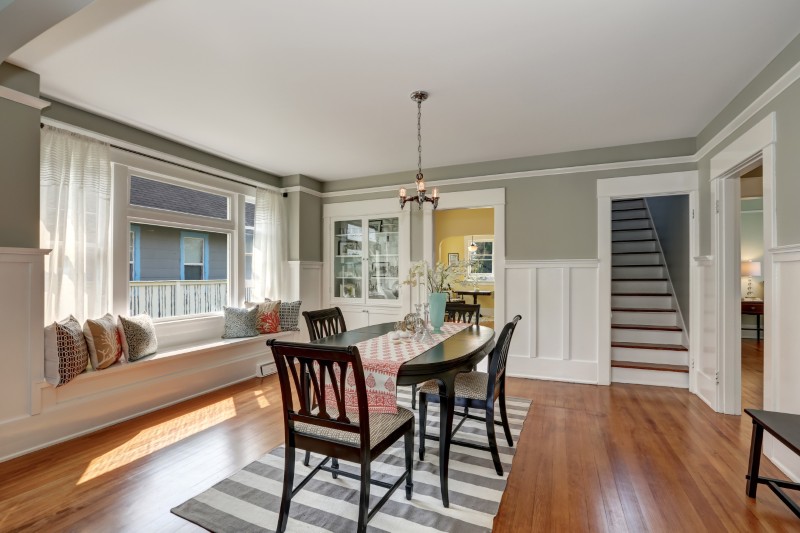
Are floors consistent and quiet? Or do they change at every threshold?
Designers notice the continuity of a floor because it affects how the entire house looks: cohesive and expansive, or fragmented and piecemeal.
#9 The trim work (especially around doors and windows)
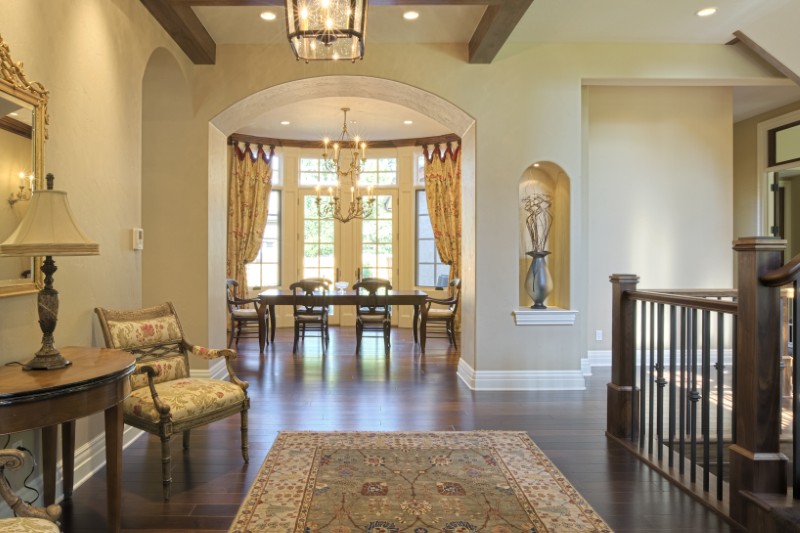
Trimming is one of the clearest signals of quality. Designers notice when it is thoughtfully proportioned, consistent and neatly finished.
Poor workmanship can make a home immediately feel like a builder’s fault. Good finishing makes everything feel intentional, even if the furnishings are minimal.
#10 Whether the art looks “placed” or “collected.”
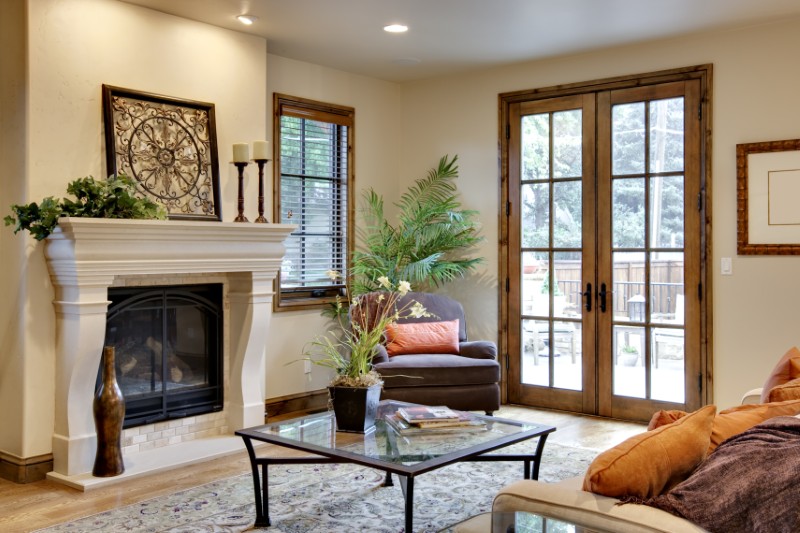
Designers immediately notice if art is generic, too small or too high. But more importantly: they notice whether art feels personal and is integrated into the home.
A home with real taste doesn’t look like it was decorated during one shopping trip.
#11 How the house handles empty space

A Big Story: Is the House Silently Panicking? If every surface is filled, every wall is occupied, something is in every corner – designers immediately turn that off.
Well-designed houses offer breathing space. They use negative space to make everything else seem more conscious.
#12 The quality of the hardware and touchpoints
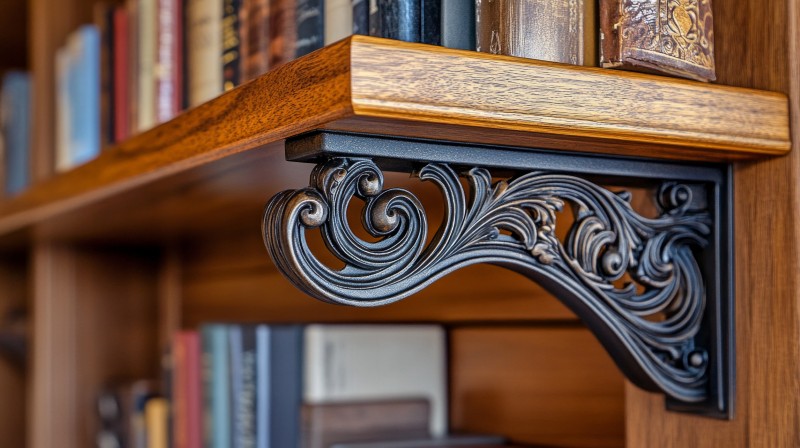
Designers notice what hands touch: door handles, faucet handles, cabinet knobs, switches.
Even if the house looks nice, thin contact points make it feel less substantial. Quality hardware doesn’t have to be flashy; it just has to feel good.
#13 Lighting Placement (Not Just the Lighting Style)
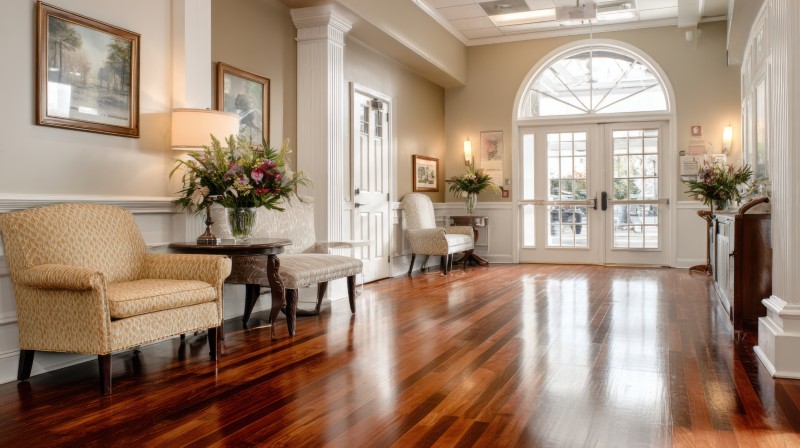
Designers notice whether lamps are where they should be. Is the dining room fixture in the middle? Are sconces aligned? Does the makeup lighting flatter or cast shadows?
A home can have beautiful fixtures and still feel wrong if the placement is not considered.
#14 Whether the kitchen feels designed or just ‘renewed’
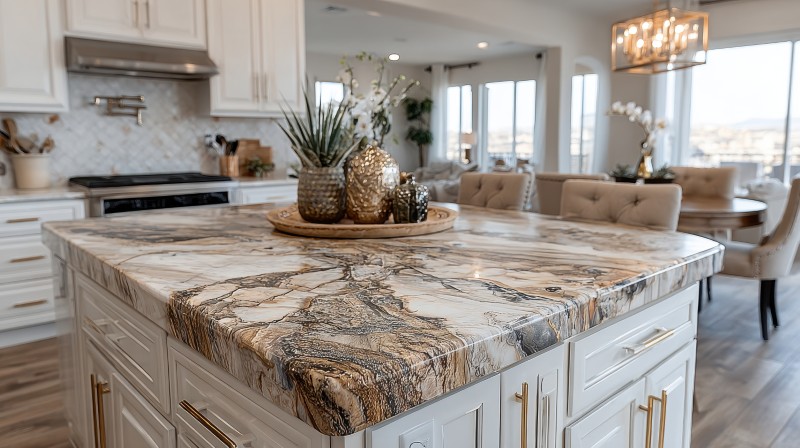
Designers can immediately tell the difference between a kitchen designed for real life and one designed to look good at resale.
They notice things like: awkward appliance placement, lack of landing zones, cheap filler panels, and storage that doesn’t fit the way people cook.
#15 The bathroom mirror situation
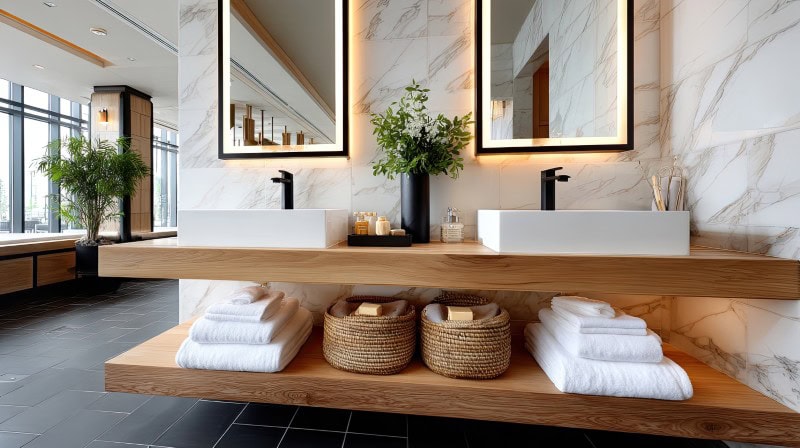
This is surprisingly revealing. Designers note whether mirrors are thoughtfully scaled and whether lighting supports them.
A bathroom can look ‘renovated’, but a poorly chosen mirror will make it feel unfinished.
#16 The transitions between spaces
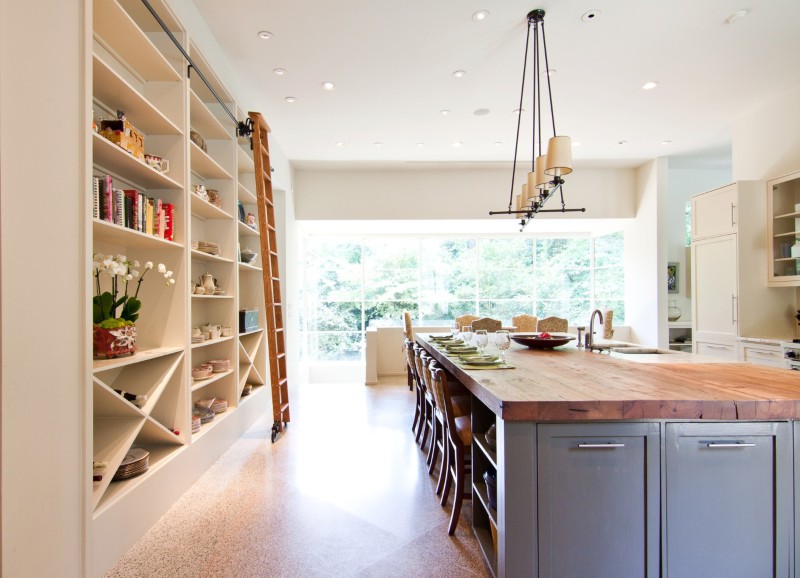
Designers notice when a home flows or when each room feels like a separate decision. This can be reflected in materials, paint choices or inconsistent architectural language.
The best homes feel cohesive without being boring.
#17 The social logic of furniture layout
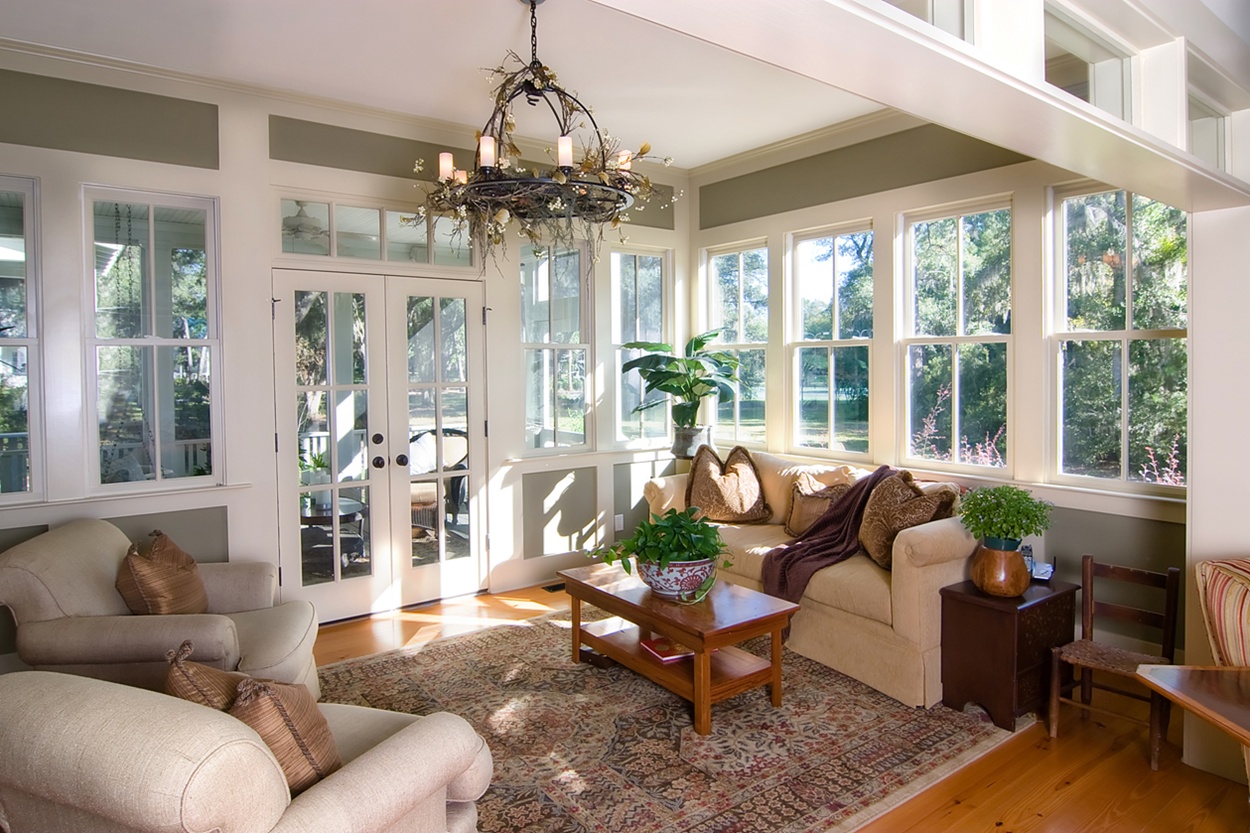
Does the furniture stimulate conversation? Or does it indicate nothing? Or worse, point at a television that no one can comfortably watch?
Designers notice when rooms work socially. This is a big part of why some spaces feel “off” even when they are beautiful.
#18 Whether the house feels intentional in the details
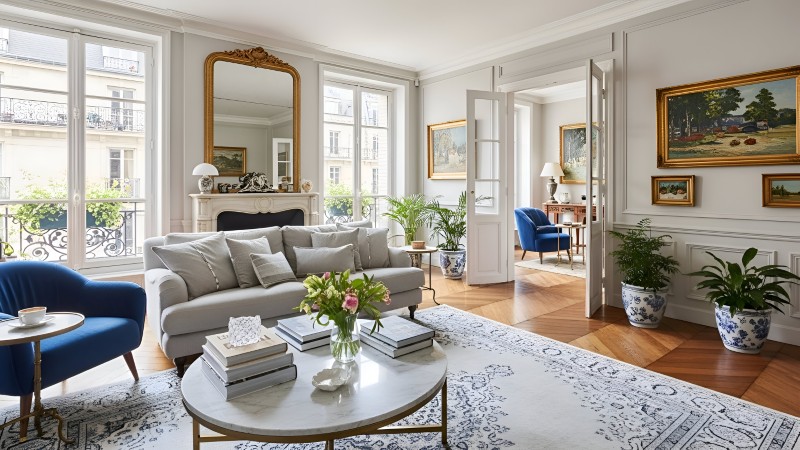
This is the big one. Designers note the overall sense of care: alignment, repetition, finish quality, consistency.
Even though individual choices are not expensive, well-thought-out coherence reads like taste. And lack of intention also reads immediately.
More stories
13 traits that quietly tell you the homeowner has excellent taste
Top 10 most influential interior designers on Instagram and how much they earn per post
10 features that quietly tell you a house isn’t built to be flipped
#details #Interior #designers #notice