

But despite the maintenance issues, there’s a reason why older homes remain so beloved — and it’s not just nostalgia.
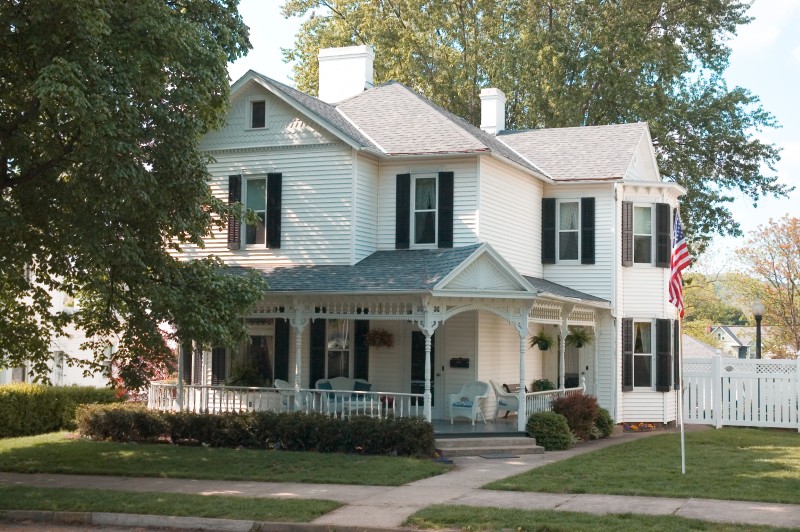
There are certain things that older homes do extremely well, and they aren’t always the things that show up on the listing sheets. They are details that are more than worth showing off: a sense of proportion, a sense of permanence, craftsmanship that doesn’t try to be cute, and houses that seem to have been designed with actual human behavior in mind.
New construction also has its strengths (including efficiency, convenience and modern systems), but often lacks the tranquil elements that give a home depth and personality. And that’s where older homes are still winning.
Here are 15 things that older homes do much better than new construction.
They get the right proportions even in smaller rooms
Older homes often feel balanced in a way that is difficult to copy.
Ceilings, doorways, windows and room sizes relate to each other naturally. Even when spaces are compact, they tend to feel well composed rather than compressed.
New construction can be generous in square footage but still feel strangely scaled: large rooms with low ceilings or oversized open spaces that feel underdefined.
They use real materials that age with dignity
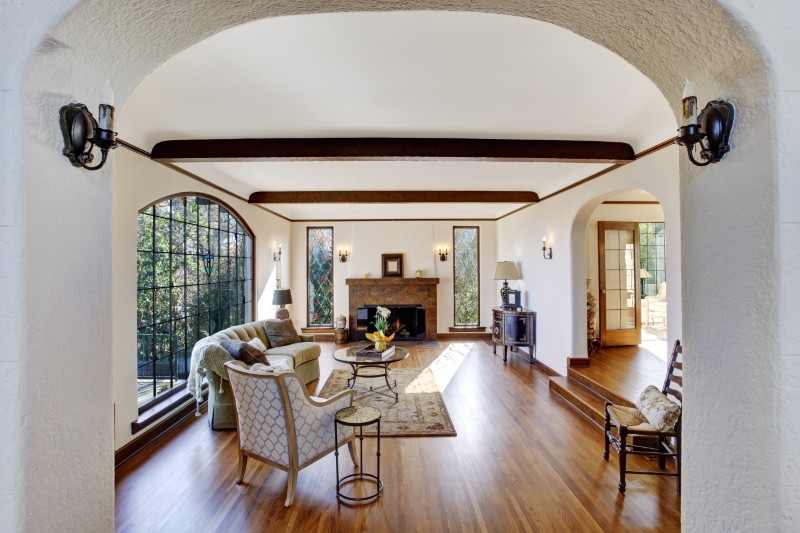
Older homes often rely on materials chosen to last: solid wood, plaster, thick cladding, sturdy brickwork. These materials develop patina over time, giving older homes their depth and warmth.
Many new construction projects rely more heavily on specially designed materials and thinner finishes. They may look sharp at first, but often they don’t develop their character in the same way: they just wear out.
Their trim work is architectural, not decorative
In older homes, trim isn’t just a styling detail. It’s part of the architecture: wide skirting boards, thick window frames, a cornice that really suits the space.
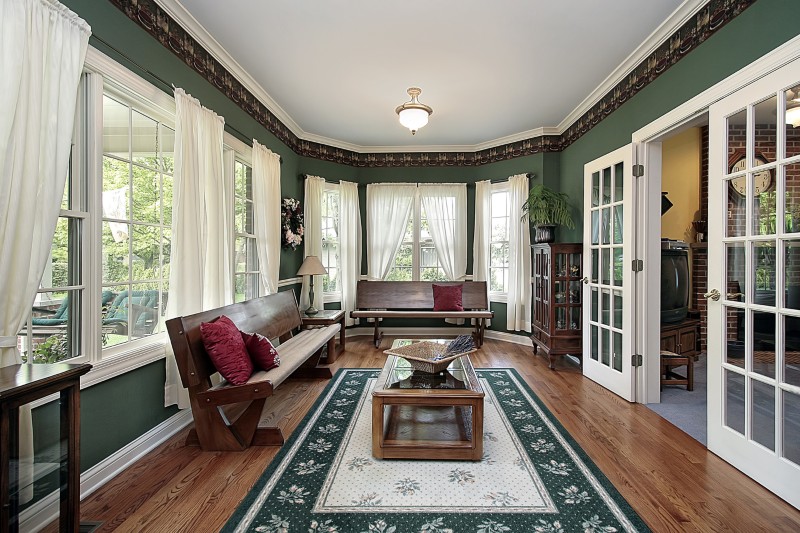
In many new construction projects, the trim is standardized and minimal to keep costs down. The rooms may still look “nice,” but they often lack the finished, framed quality that older homes naturally have.
They create privacy without feeling cut into pieces
Older homes tend to have more defined rooms, which makes everyday living easier than people admit. Noise remains within limits. The mess remains within limits. Several things can happen at the same time without the whole house having to participate.
New open layouts can feel cheerful and social, but they also make it harder to escape noise, clutter or activity.
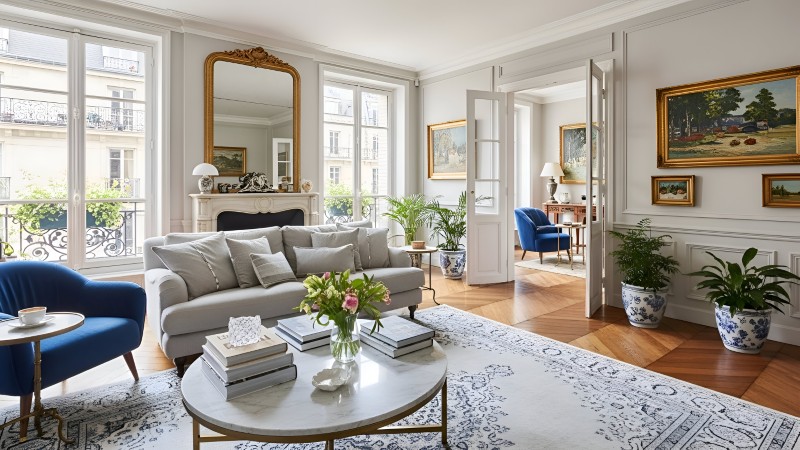
They have a real sense of arrival at the front door
Older homes tend to treat the entrance with respect. The front door often opens into a defined entrance, vestibule or foyer that creates separation from the outside world.
Many new construction projects skip this moment and open directly into a large open space. It can be efficient, but it loses the psychological “I’m home” transition that older homes do so well.
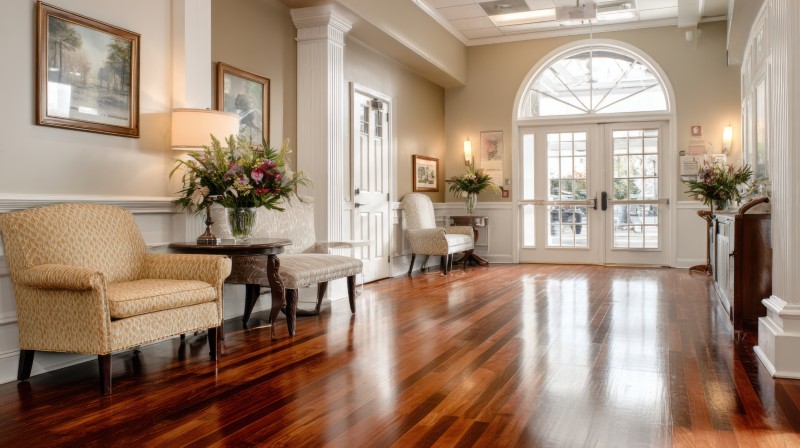
They make windows feel important
Older homes often have beautifully placed windows that intentionally frame the light and views. You see depth in the cladding, weight in the framing and the feeling that the window has been designed as part of the room.
New buildings often include larger windows, but the treatment can feel flatter: less framed, less architectural, more interchangeable.
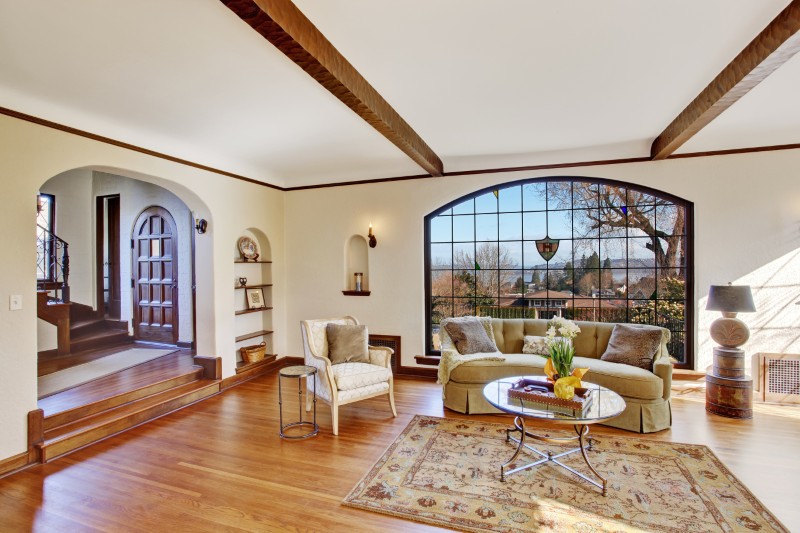
They create charm through small, specific moments
Older homes are full of details that feel personal: arched doorways, built-in alcoves, telephone nooks converted into display shelves, small hallway windows, window seats.
New construction sometimes attempts to create this charm, but it can appear staged. In older homes, those details feel natural because they are natural.
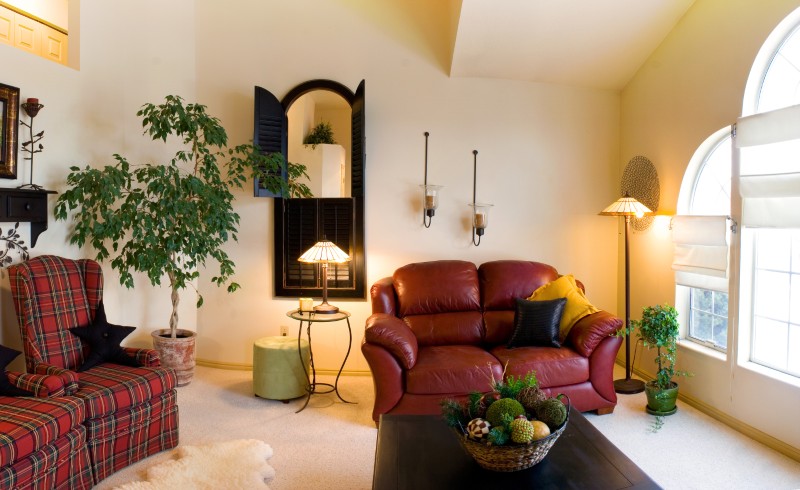
They are better at creating cozy rooms
Older homes tend to prioritize warmth and seclusion. Lower ceilings, thicker walls and defined spaces create a sense of comfort that is difficult to reproduce in gigantic open rooms.
New buildings can feel airy and bright, but they can also feel exposed – especially in winter or at night – when the openness becomes less inviting.
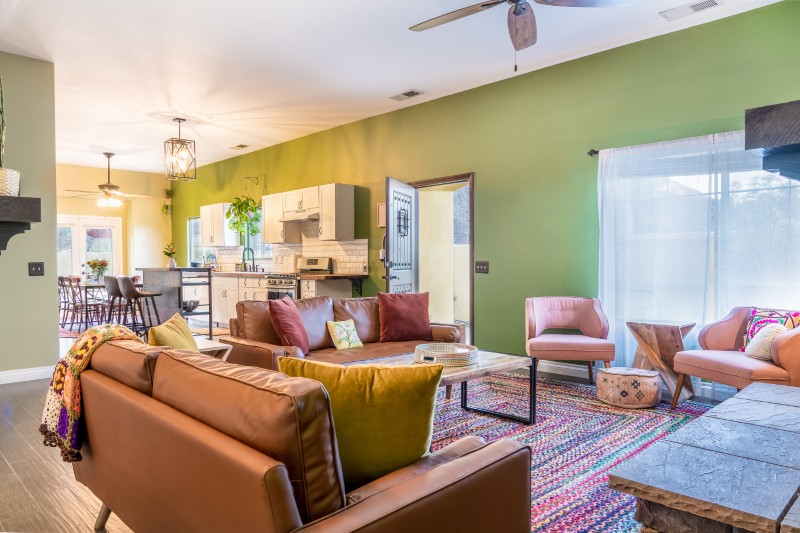
They often include built-in features that actually make sense
Built-in bookcases, benches, china cabinets and window benches were not “luxury extras” in older homes – they were functional by design. They anchored rooms and reduced the need for additional furniture.
New construction may include built-ins, but these are often minimal or purely decorative rather than integral to the function of the home.
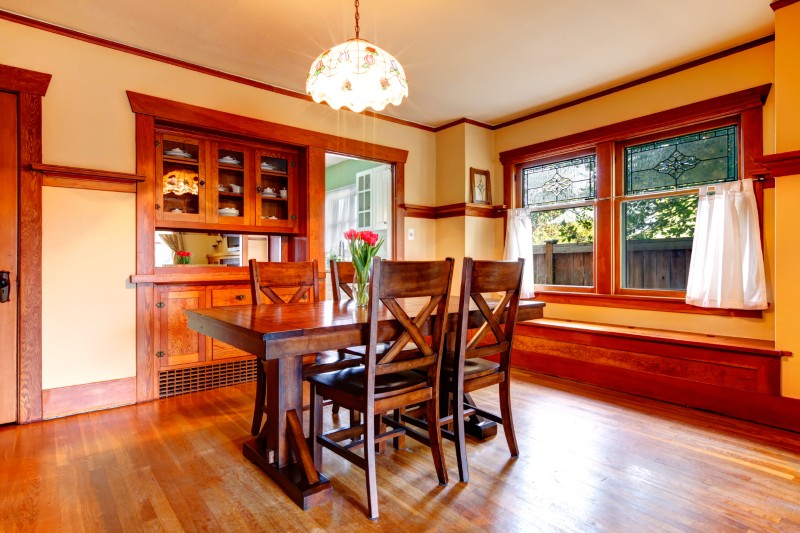
They ensure that rooms have a strong identity
Older houses let the rooms be themselves. Dining rooms look like dining rooms. Libraries feel like libraries. Sitting rooms have an atmosphere. The house doesn’t try to make every room fit together perfectly.
New buildings often strive for visual continuity, which can be nice, but sometimes makes each space look a little too similar.
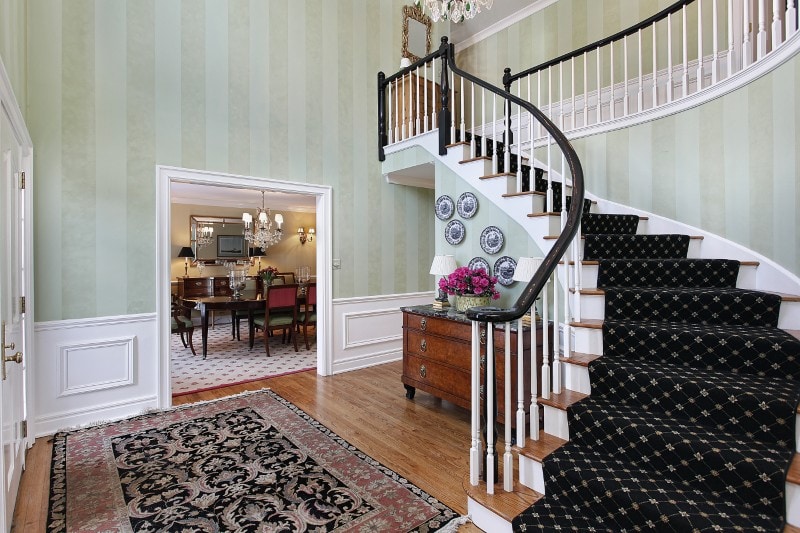
They usually have better craftsmanship in the ‘invisible’ places
Older homes were often built with heavier frames, solid subfloors, thick plaster walls, and heavy-duty construction methods that were not optimized for speed.
New construction can be high quality, but many are designed for efficient production, which is reflected in the feel of floors, doors and overall solidity.
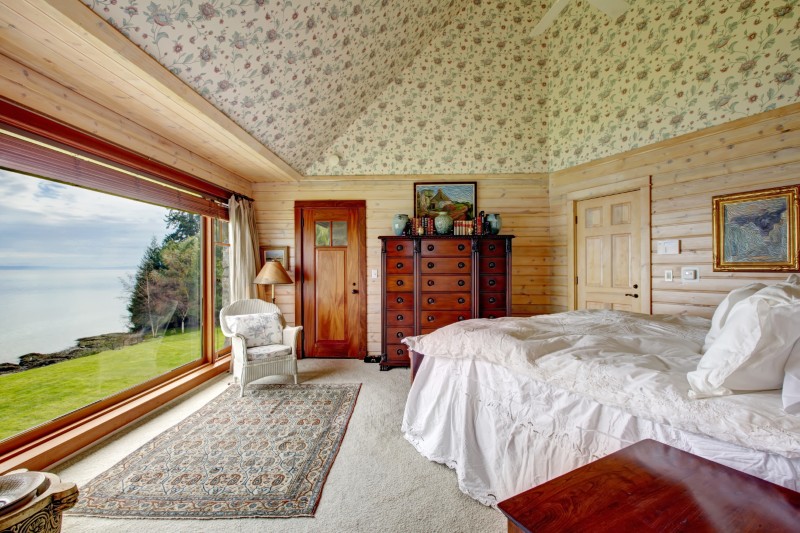
They deal with aging gracefully
Older homes often look better over time. Their materials develop softness and depth. Small imperfections feel like character rather than damage.
Many new construction projects are designed to look perfect at first glance. When they start to wear, they don’t always become charming; they just look tired.
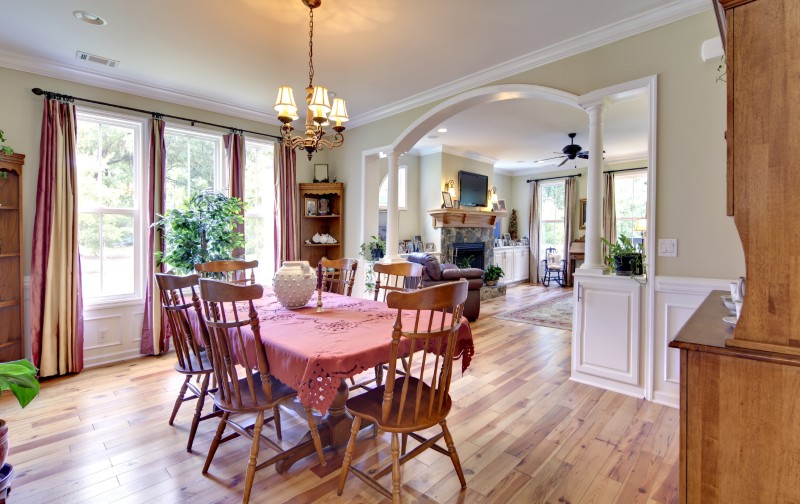
They have more personality baked into the layout
Older floor plans often contain unexpected twists: a staircase, a tucked-away landing, a narrow hallway, a somewhat quirky room with a destination that no one quite remembers.
New construction often prioritizes predictability and efficiency, making them easier to sell, but sometimes less interesting to live in.

They feel connected to their neighborhood
Older homes often reflect the character of the place where they were built. There is continuity in street design, setbacks, plot shapes and architectural styles.
New structures can feel disconnected from their site, especially if they are placed in newer developments or built for broad market appeal.
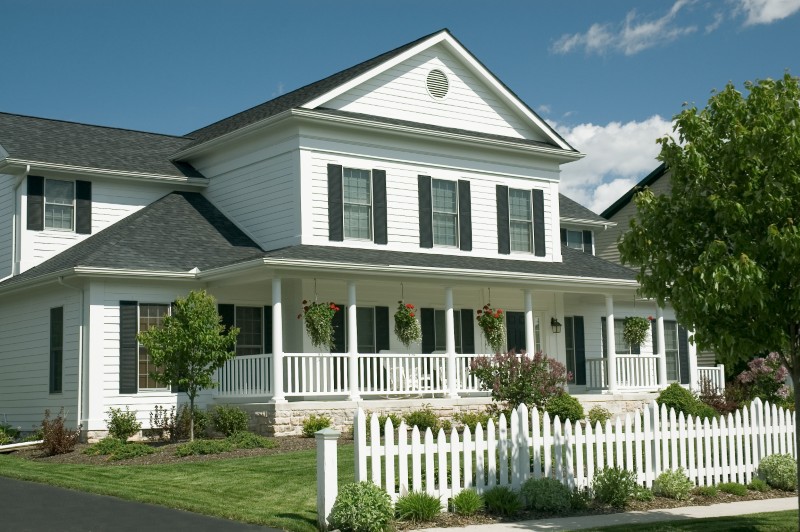
They carry with them a sense of history that is difficult to replicate
This is the real deal, and that’s why people forgive the creaking stairs and stubborn windows. Older homes feel legendary. They imply past lives, past dinners, past vacations, past routines. Even renovated older homes often retain that feeling.
New builds can be beautiful, but they start from scratch. Older homes arrive with emotional gravity already built-in.
More stories
Old-fashioned luxury design features that we would like to see return
What a “modern house” meant in every decade since the 1950s
10 Home Features That Defined the Nineties (and Where They Were Going)
#older #homes #construction