

In fact, some of the most expensive homes on the market struggle with issues that feel surprisingly basic once daily life begins. These shortcomings are not so much faults as byproducts of priorities that lean toward aesthetics, status, or idealized lifestyles rather than messier realities.
Many luxury homes are designed around the way people want to live – hosting elegant dinner parties, retreating to serene spaces, maintaining visual order – rather than how life actually unfolds day to day. That can leave gaps where flexibility, informality or practicality might otherwise live.
Seen through that lens, these weaknesses are revealing. They reveal what luxury homes value most (and what they are often willing to sacrifice to achieve it). Here are 10 things luxury homes are surprisingly bad at.
#1 Casual living with little effort
Luxury homes often prioritize formality, even when they appear relaxed.
Furniture arrangements, finishes and layouts can subtly discourage sprawl, clutter or improvisation, making it harder to really ‘fall into’ a space.
#2 Child-friendliness without compromises
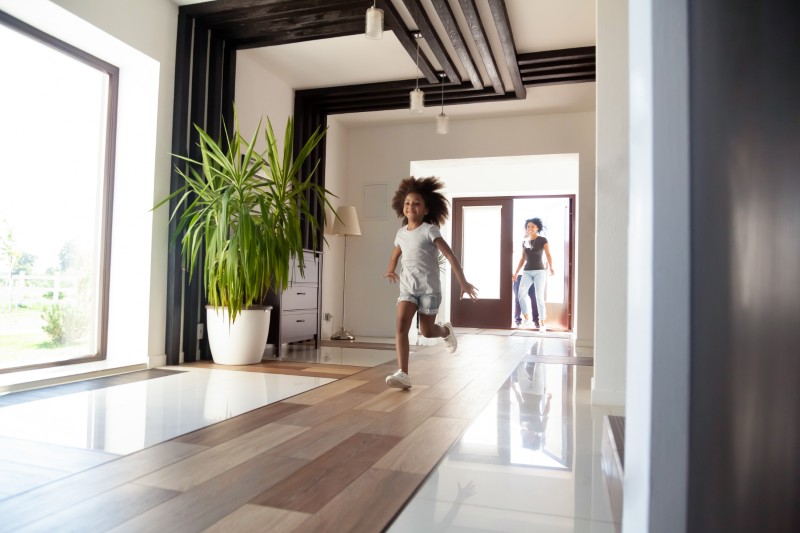
From delicate finishes to open staircases and sharp-edged millwork, many luxury homes are not designed with children in mind.
Making them child-friendly often requires visible adjustments that conflict with the original design intent.
#3 Dealing with spontaneity
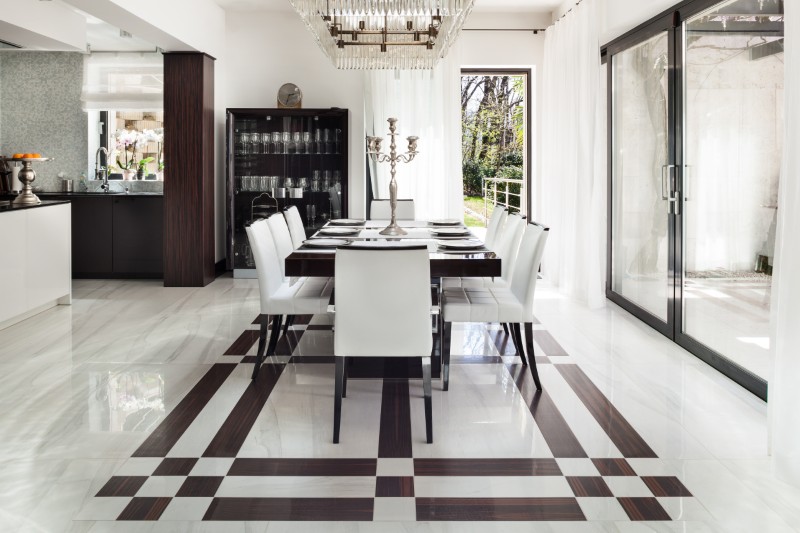
Luxury homes excel at scheduled times – dinners, gatherings, routines – but can be less accommodating to last-minute changes.
Extra guests, unexpected mess or changing use often reveal how sleek the design really is.
#4 Adapt as lives change
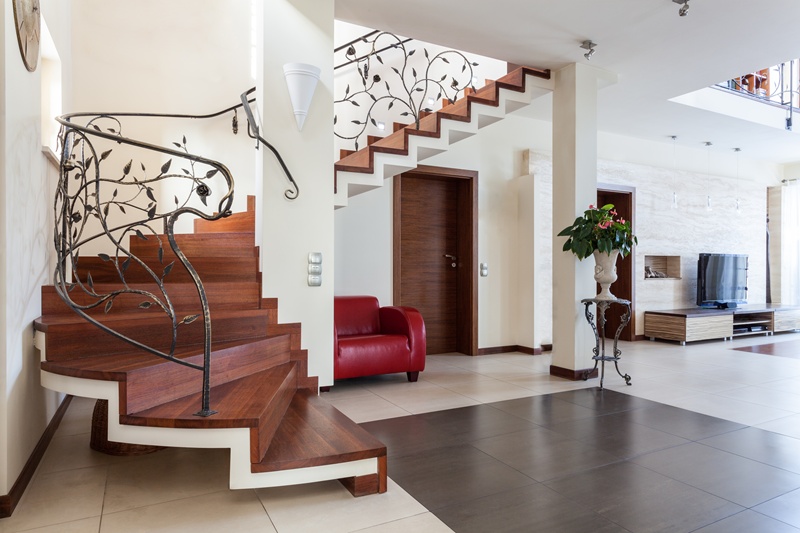
Rooms in luxury homes are often designed with very specific functions, not to mention design and ease of movement. As needs evolve – working from home, caring for family, aging in place – these set programs can be surprisingly difficult to rework.
#5 Embrace visible wear and tear
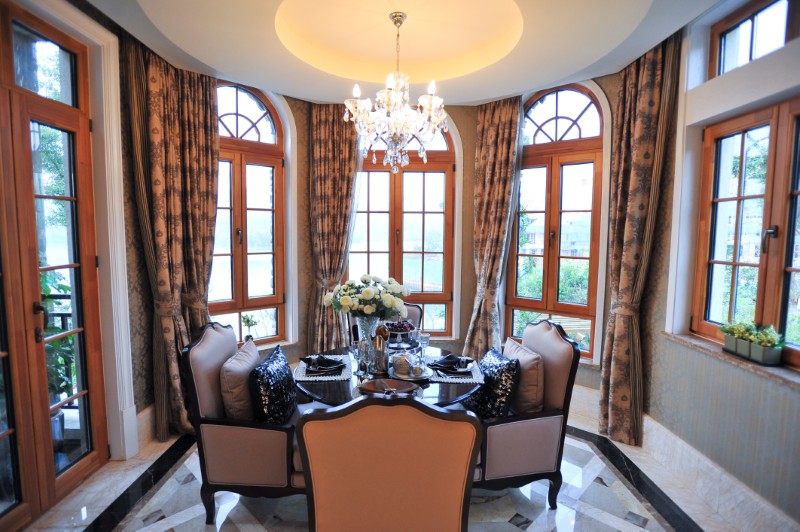
High-quality finishes tend to age quickly. Scratches, patina and scuffs that might add character elsewhere can feel like damage in a luxury context, creating pressure to maintain perfection.
And that’s without the added pressure of worrying about how quickly the space can feel dated.
#6 You immediately feel relaxed
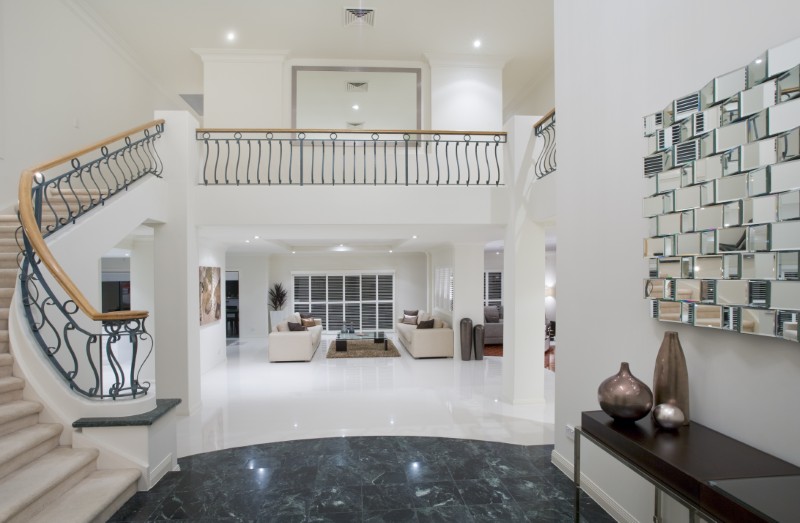
Some luxury homes take time to ‘settle’.
Grand entries, formal proportions and impeccable finishes can initially feel impressive but emotionally distant.
#7 Support true informality
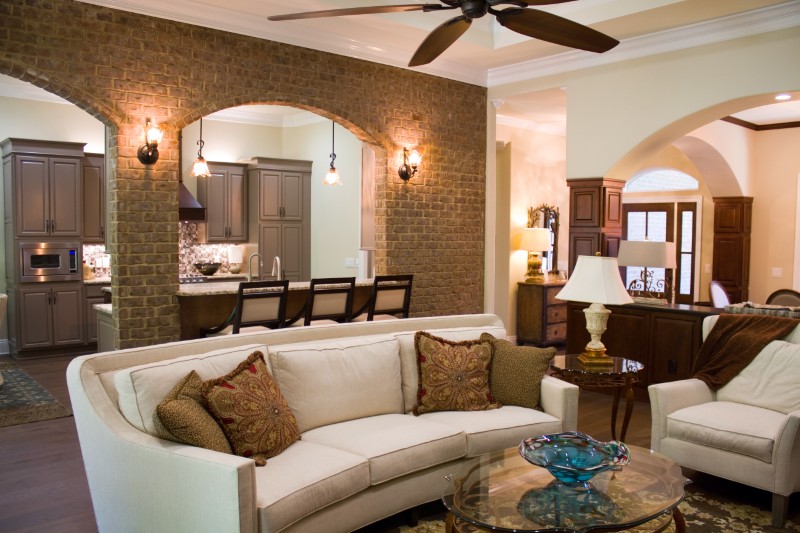
Spaces designed to always look polished can’t always effortlessly accommodate the visual chaos of everyday life – backpacks, laundry, half-finished projects.
#8 Let rooms multitask
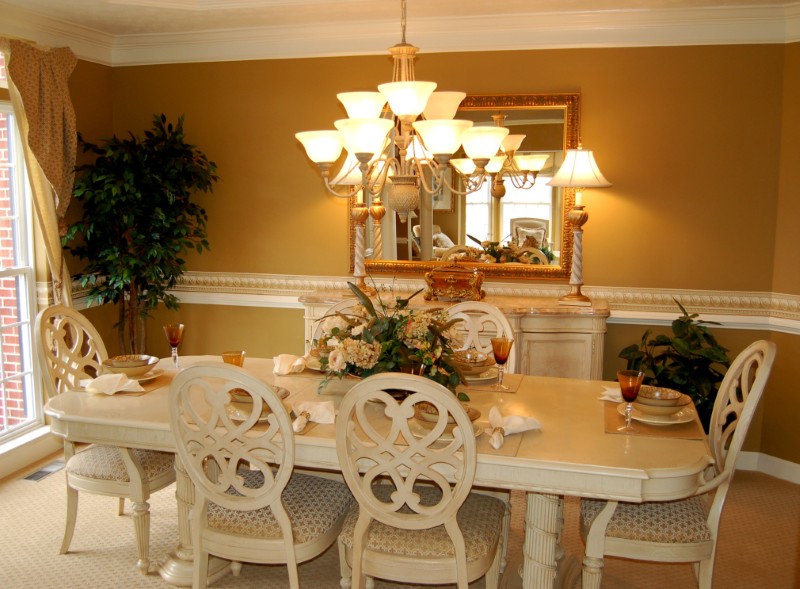
Luxury homes often assign one purpose per room, and may even name the room based on its given purpose (the study, cigar room, home theater, wine room, piano room, tea room, etc.)
That clarity can limit flexibility when spaces have to perform double duty.
#9 Prioritize efficiency over experience
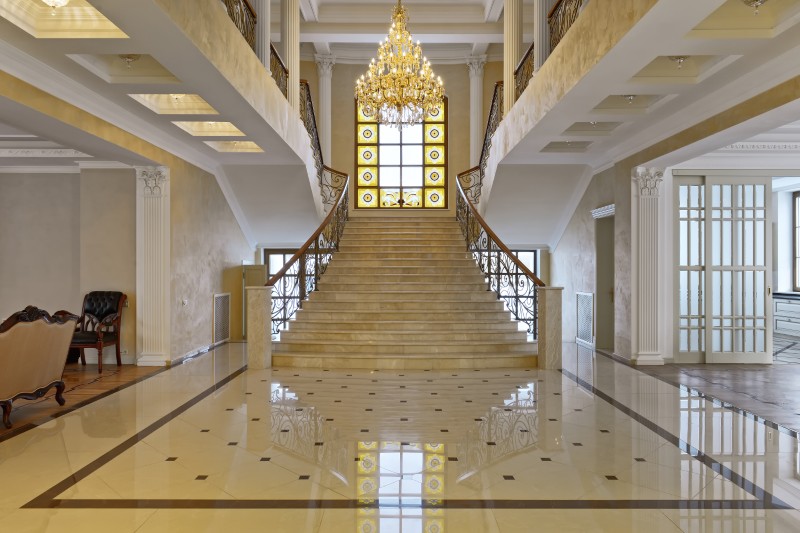
Long hallways, dramatic staircases and expansive layouts can add grandeur, but also introduce friction into daily routines.
#10 Letting go of control
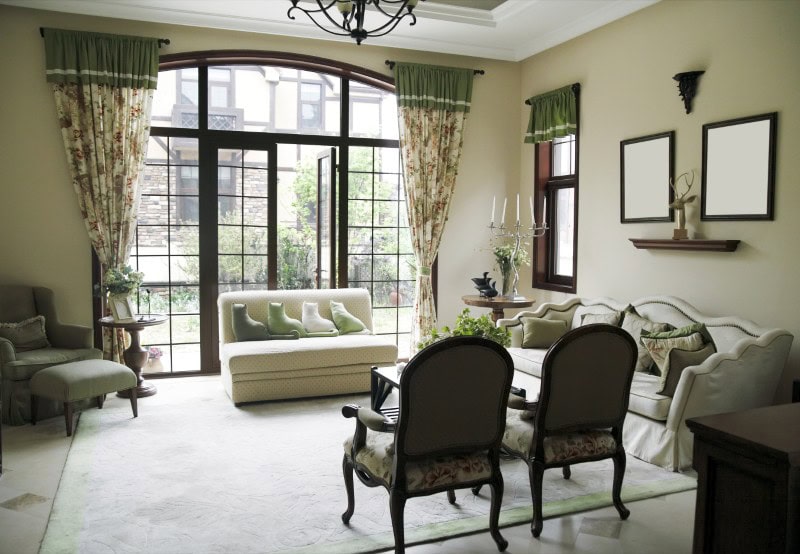
Ultimately, many luxury homes can withstand clutter – physical or emotional. That resistance is part of their attraction, but also part of their limitation.
More stories
13 luxury home features that seem insanely expensive, but aren’t
9 Ways Expensive Homes Hide Clutter (and Why They Always Look Peaceful)
12 design tricks luxury homes use to make spaces seem twice as big
#luxury #homes #surprisingly #bad